
Being on the right side of history: Come Back Alive analysts and diplomats exchange expertise on threats from Russia
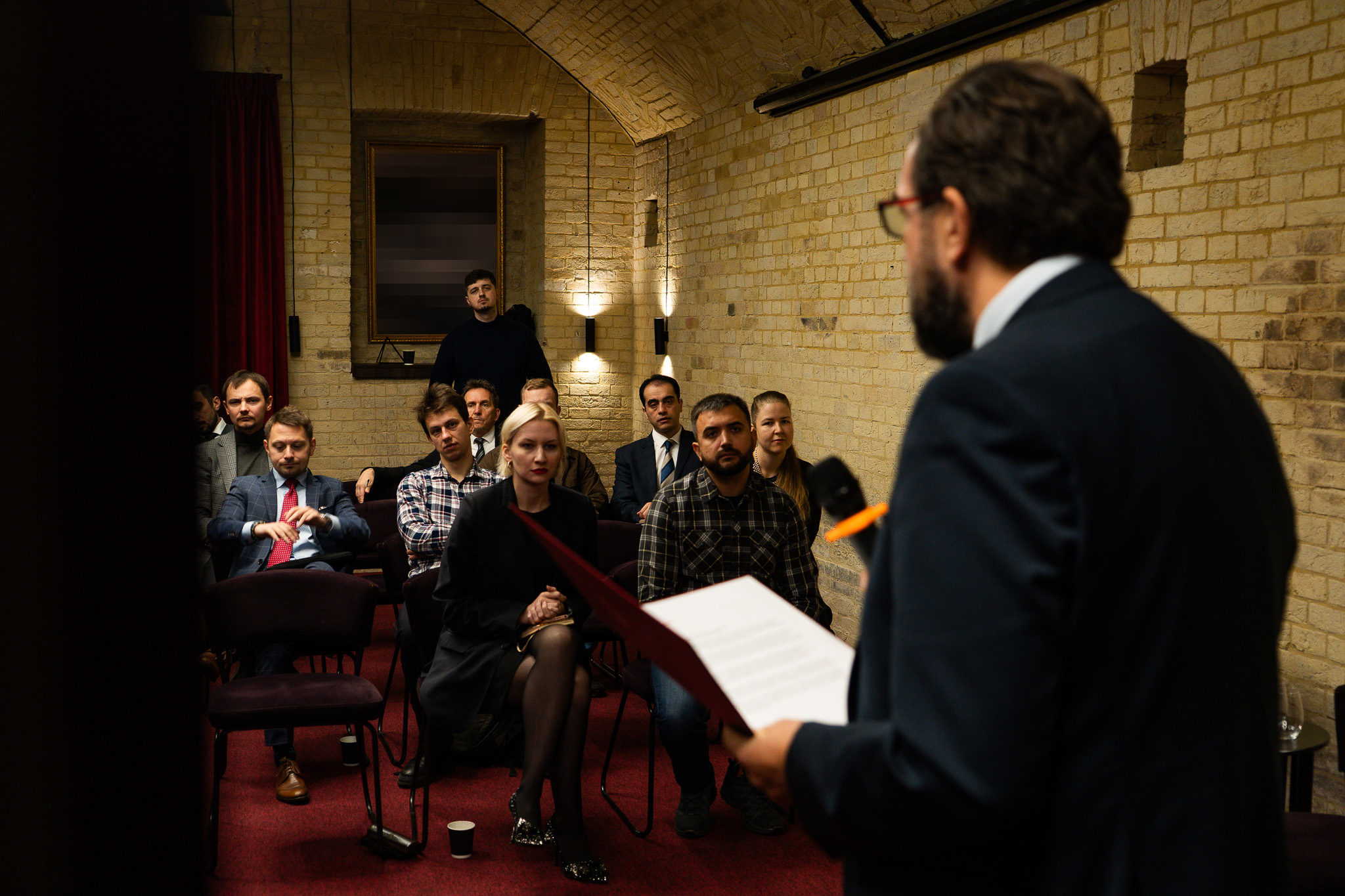
The Come Back Alive Foundation’s Initiatives Center and the Embassy of the Republic of Poland in Ukraine held a diplomatic panel titled “How Russia Makes Decisions: Policy Priorities and Impact on Europe.”
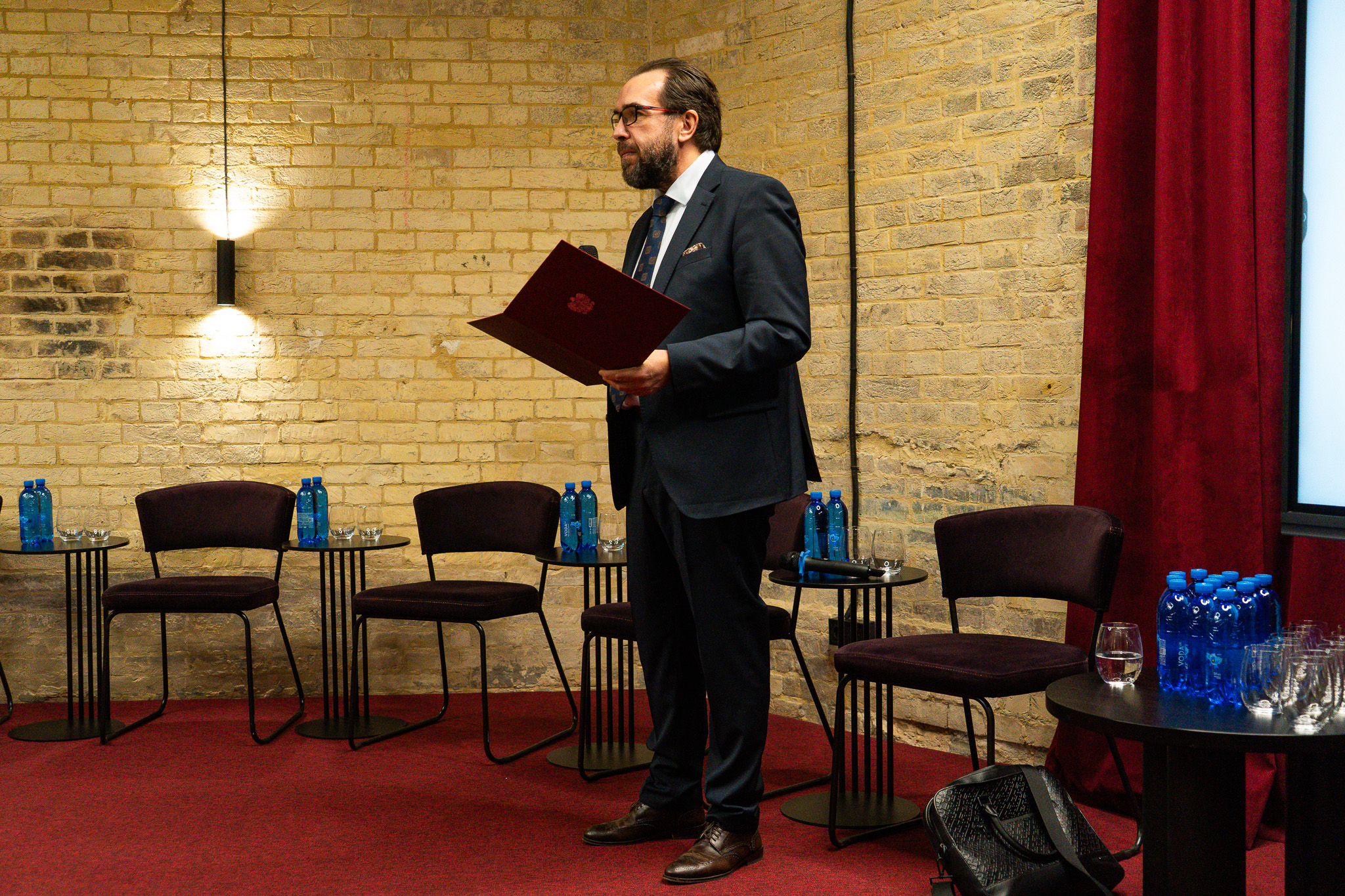
More than 20 representatives of embassies and international analytical centres operating in Ukraine took part. The speakers were senior analysts at the Come Back Alive Initiatives Center, Maria Kucherenko and Mykola Bielieskov. Opening remarks were delivered by Piotr Łukasiewicz, Chargé d’Affaires of Poland in Ukraine, and Oleh Karpenko, Deputy Director of the Come Back Alive Foundation.
“Today, Ukraine possesses perhaps the deepest and most practical knowledge of how Russia operates. This knowledge is not only academically valuable but is also a matter of strategic security. Poland sounded the alarm about the risks of cooperation with Russia many years ago and was often seen as overly cautious or ‘Russophobic.’ Today, as the West, we must respond collectively and responsibly to the challenges posed by Russian policy, because its consequences affect all of us. I express my gratitude to the analysts of the Come Back Alive Center for sharing their insights with us today,” said Piotr Łukasiewicz in his opening remarks.
During the panel, analysts and diplomats discussed the threats posed by the Russian Federation, ways to detect them, and how to counter them through partnership and cooperation. The discussion focused on:
- Escalation of Russian attacks, including on the territory of Poland and EU member states;
- Challenges of a war of attrition for Ukraine’s international partners;
- Changes within the structure of Russian elites and their influence on Russia’s geopolitical ambitions;
- Expansion of Russian influence in Central Asia and Africa;
- The need to unite efforts to address challenges and prepare adequate responses to aggression.
“The centre of gravity in this war lies in public sentiment in Ukraine and the pressure on our partner countries. Certain local successes by Russia on the battlefield negatively affect the morale of Ukrainians, while Russia simultaneously promotes the narrative in partner countries that Ukraine is not worth supporting and cannot win this war. But Russia’s ambitions do not end with Ukraine as such — they concern the establishment of a multipolar world order,” stressed Mykola Bielieskov.
“We cannot treat individual cases of Russian elite influence on Ukraine separately from Europe, the Middle East or Africa. This is a single theatre of action. It is also important to consider the individuals through whom we can identify creative ways to weaken Russian influence. In some situations, it may be much cheaper, for example, to withdraw a Russian political strategist who enables Sahel states’ allies to gain access to the sea, than to attempt to counter a battalion of mercenaries somewhere in Africa,” noted Maria Kucherenko.
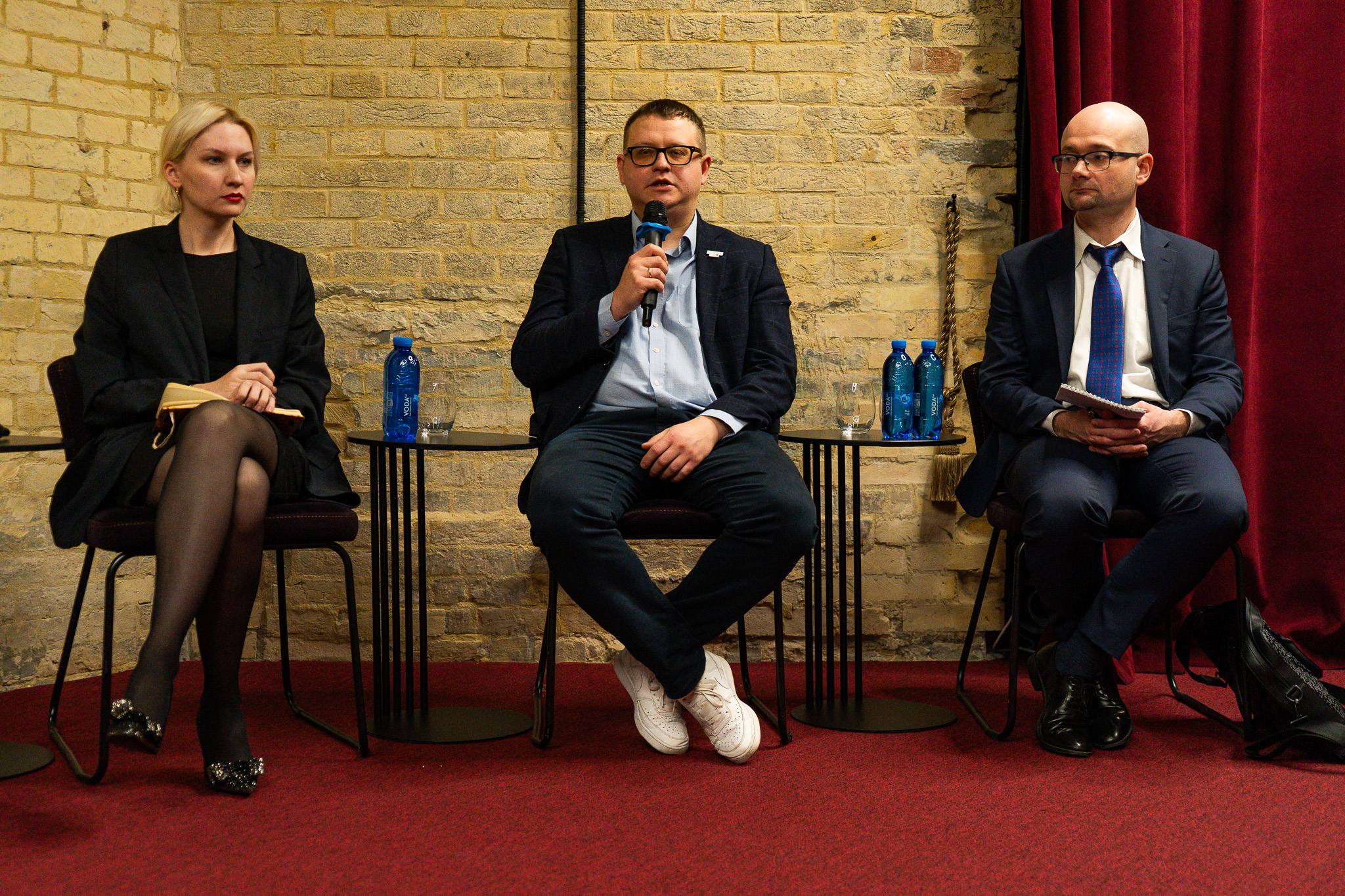
During the meeting, diplomats were able to discuss non-public research findings developed by the Come Back Alive Initiatives Center, specifically concerning Russia’s intentions and strategic goals.
Participants were invited to continue a series of meetings in this format to discuss, among other topics, Ukraine’s domestic policies during wartime, the situation on the battlefield, and the impact of the civil sector on the country’s defence capability.
“I want to thank all representatives of partner countries who have stood with us for a long time and continue to choose the right side of history,” said Oleh Karpenko.
Share