
From Minsk to Istanbul: Has Ukraine Learned the Lessons of the Minsk Protocol in Negotiating with Russia?
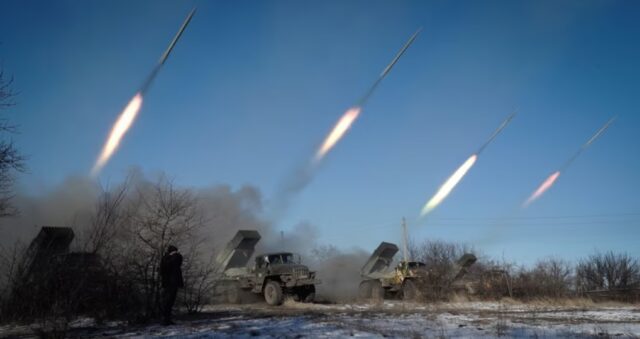
The Minsk Protocol failed to stop Russia a decade ago. Between 2014 and 2022, the Kremlin played the role of mediator in the so-called “Donbas conflict” while pressing Ukraine to implement the political provisions of the Minsk Agreements—ignoring the security components that might have produced an actual ceasefire.
Today, Vladimir Putin invokes the Istanbul talks, seemingly convinced that threats and blackmail remain effective, that pressure via intermediaries still works, and that special operations can tilt the outcome in Russia’s favor.
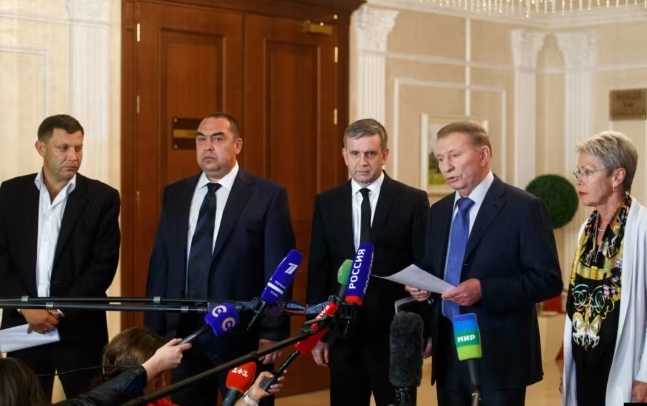
Signed ten years ago, the Minsk Protocol was ostensibly a ceasefire agreement—a framework to address the “armed conflict in Donbas.” In practice, it buys Russia time to pursue its objectives.
There were two key issues at stake:
- The role of European mediators;
- The intentions of the real parties to the conflict: the Russian Federation, which launched its war in 2014 with the annexation of Crimea, and Ukraine, which understood early on that Moscow had no intention of halting its aggression.
After the Ilovaisk tragedy , the implications became clear: words like “annexation,” “occupation” and “captivity” were no longer relics from history books. Existing international agreements—signed and binding—no longer held.
Russia Did Not Stop
In early 2015, Moscow launched an offensive in Debaltseve and pushed for a revised agreement—the “Package of Measures,” or Minsk II. The logic remained unchanged: buy time and shift blame.
Ukraine insisted that the security elements be implemented first:
- a ceasefire;
- withdrawal of forces;
- restoration of Ukrainian control over the border;
- removal of foreign troops;
- OSCE-led international monitoring.
Russia, meanwhile, pressed for political concessions, demanding that Ukraine grant “special status” to occupied territories and coordinate elections with the occupying authorities.
Over the next eight years, the Minsk framework allowed Russia to:
- cast itself as a neutral player in the Normandy Format;
- pressure Ukraine for concessions while maintaining hostilities.
At the same time, it persuaded parts of the international community that Kyiv—not Moscow—was obstructing peace.
Was Compromise Ever Possible?
In reality, the Minsk Agreements offered no viable compromise from the outset. If one party refuses to stop fighting, ceasefires become meaningless. And Russia flouted the foundational requirement of Minsk—a full ceasefire—with impunity.
Between February 2015 and February 2022, the OSCE Special Monitoring Mission recorded 1.8 million ceasefire violations.
As a civilian, unarmed mission, the OSCE lacked the means to enforce compliance. No international observer—peacekeepers included—can deter an aggressor without enforcement capacity.
By demanding political steps before securing basic security guarantees, the Minsk process signaled to Moscow that pressure could yield results.
In the end, in 2022, Russia abandoned the Minsk Agreements itself—recognizing the self-proclaimed “republics” that were not even mentioned in the documents it had previously championed.
That violation set the stage for the full-scale invasion.
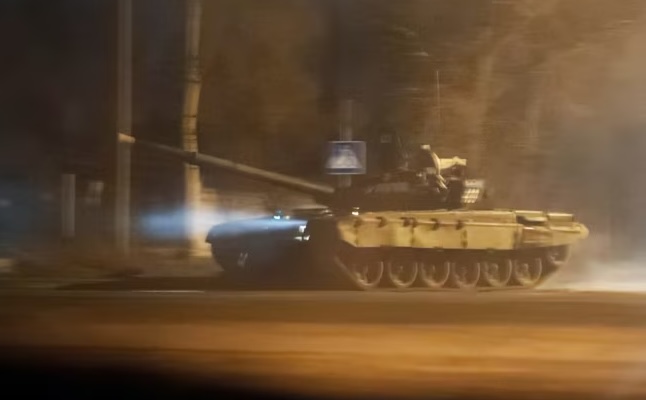
In 2022, Russia escalated its war dramatically, invading Ukraine from multiple directions and launching missile strikes on cities across the country. Again, it reached for a familiar tactic: calling for talks—this time in Istanbul.
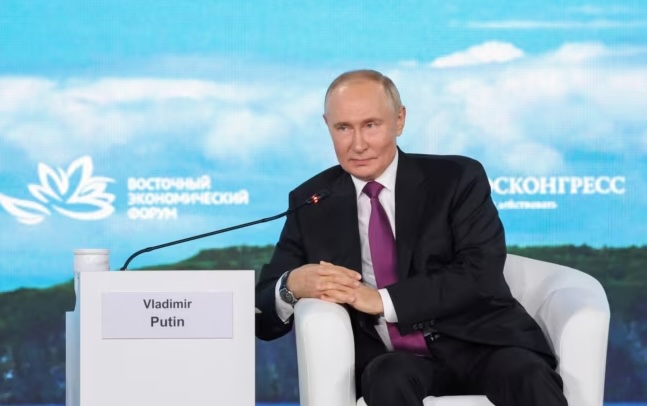
On September 5, 2024, at the Eastern Economic Forum, Vladimir Putin claimed Russia had never refused to negotiate and cited a supposedly “nearly finalized” agreement reached in Istanbul.
What Was Istanbul Really About?
The draft agreement discussed in Istanbul in March 2022 resembled a roadmap to surrender. It would have formalized Ukraine’s capitulation under the veneer of diplomacy.
Ukraine was expected to:
- adopt permanent neutrality;
- forgo nuclear weapons;
- prohibit foreign troops and exercises without approval from “guarantor” states;
- allow Russia—along with the U.S., China, Turkey and others—to influence Ukraine’s defense policy.
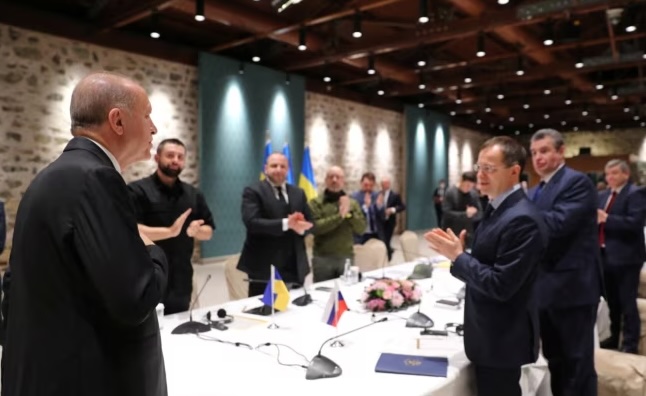
Additionally, Ukraine was to:
- withdraw all international legal claims against Russia;
- coordinate the size of its military and equipment stockpiles;
- and in doing so, abandon sovereignty and betray the memory of those who had died defending it.
Today, when Russian media and certain international voices say, "We should have signed Istanbul to avoid unnecessary deaths," we must recognize this narrative for what it is: a repeat of the same manipulation that surrounded Minsk from 2014 to 2022.
Russia has consistently:
- violated the terms of agreements it helped draft;
- used “talks” and the language of peace to buy time or mask escalation;
- treated rules as tactical instruments—subject to reinterpretation or outright dismissal.
Putin’s regime undermines the very concept of international agreements, replacing norms with coercion.
Ukraine has paid a high price to learn this. The question now is whether the world has, too.
Share