
The global nature of the Russian threat and the importance of cooperation for European security: Maria Kucherenko shares on meetings during her visit to Portugal
Maria Kucherenko, Senior Analyst at the CBA Initiatives Center, shared the results of some meetings that took place during her visit to Lisbon (Portugal). During discussions with Portuguese experts and politicians, she emphasized the experience of the CBA Initiatives Center in studying Russia and its influences and the importance of cooperation for common security.
“It is important not only to inform partners about the global nature of the Russian threat but also to build cooperation between political and expert communities in Ukraine and the EU. Only by combining the knowledge of the Ukrainian side and our partners will we be able to build a European security system that will work not only to counteract information and other threats but also to prevent them.
Focusing on analyzing the activities of specific individuals affiliated with the Russian special services will help prevent the influence on the elections in Europe and, as a result, on the security and political situation in Europe,” Maria Kucherenko noted.
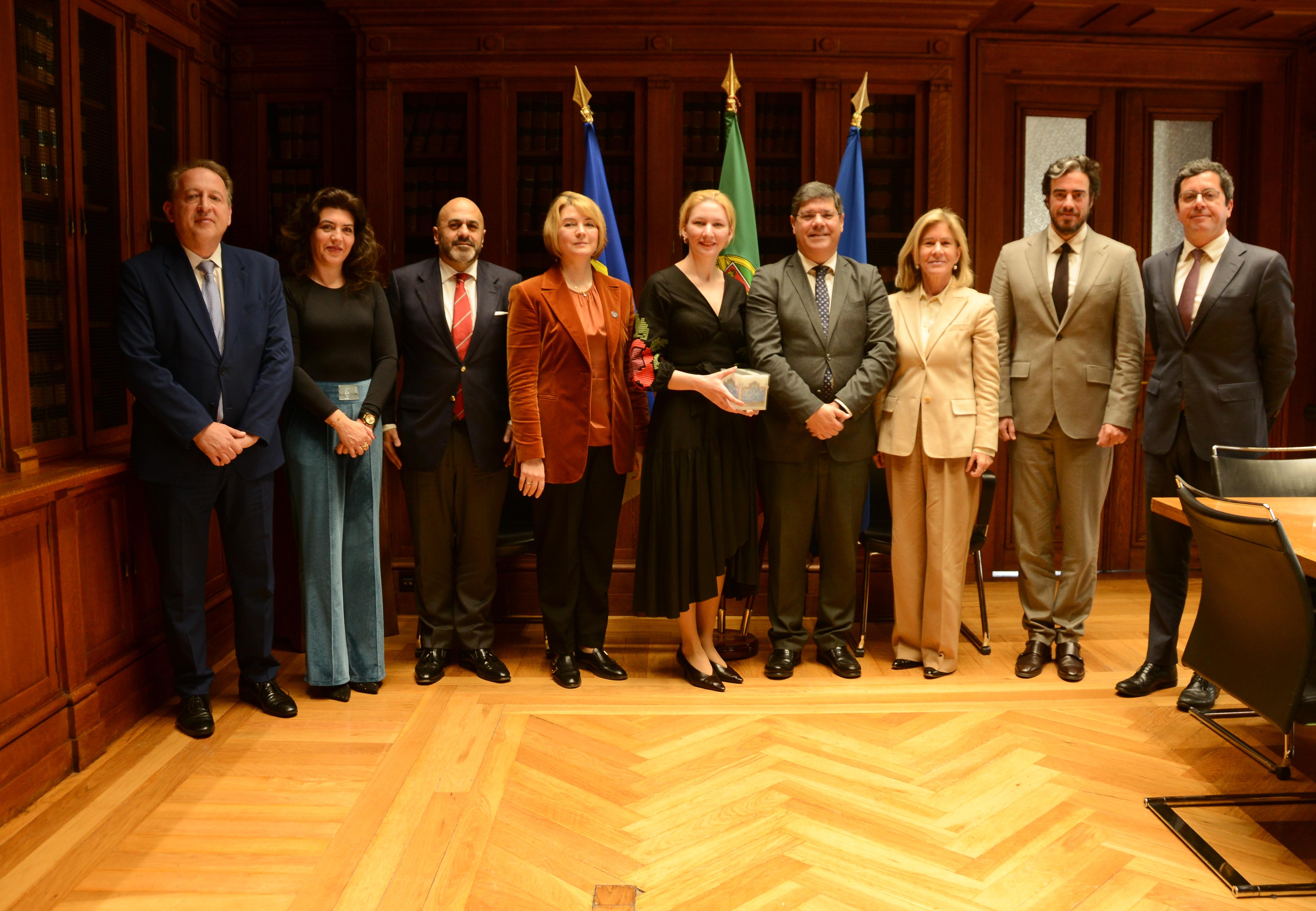
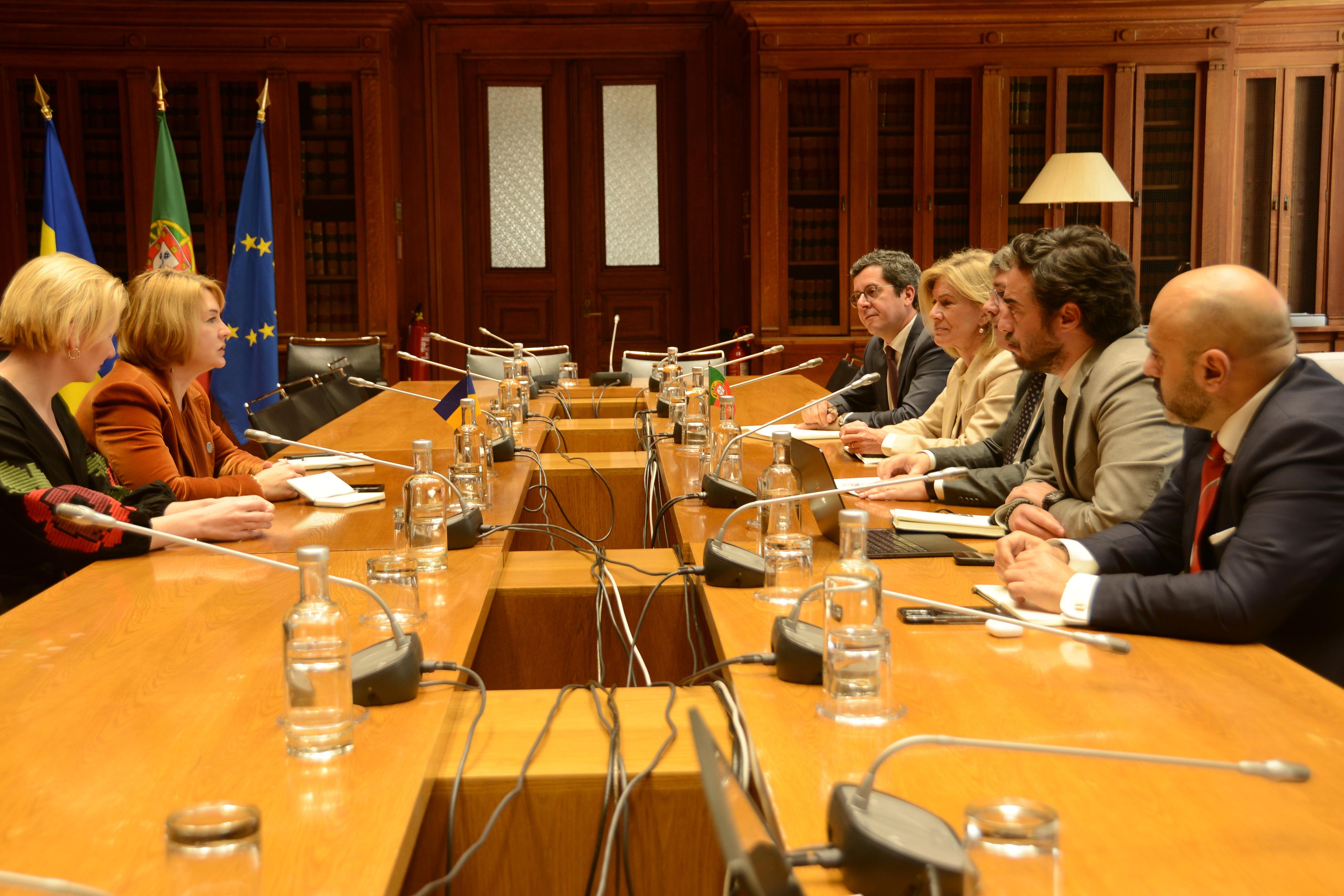
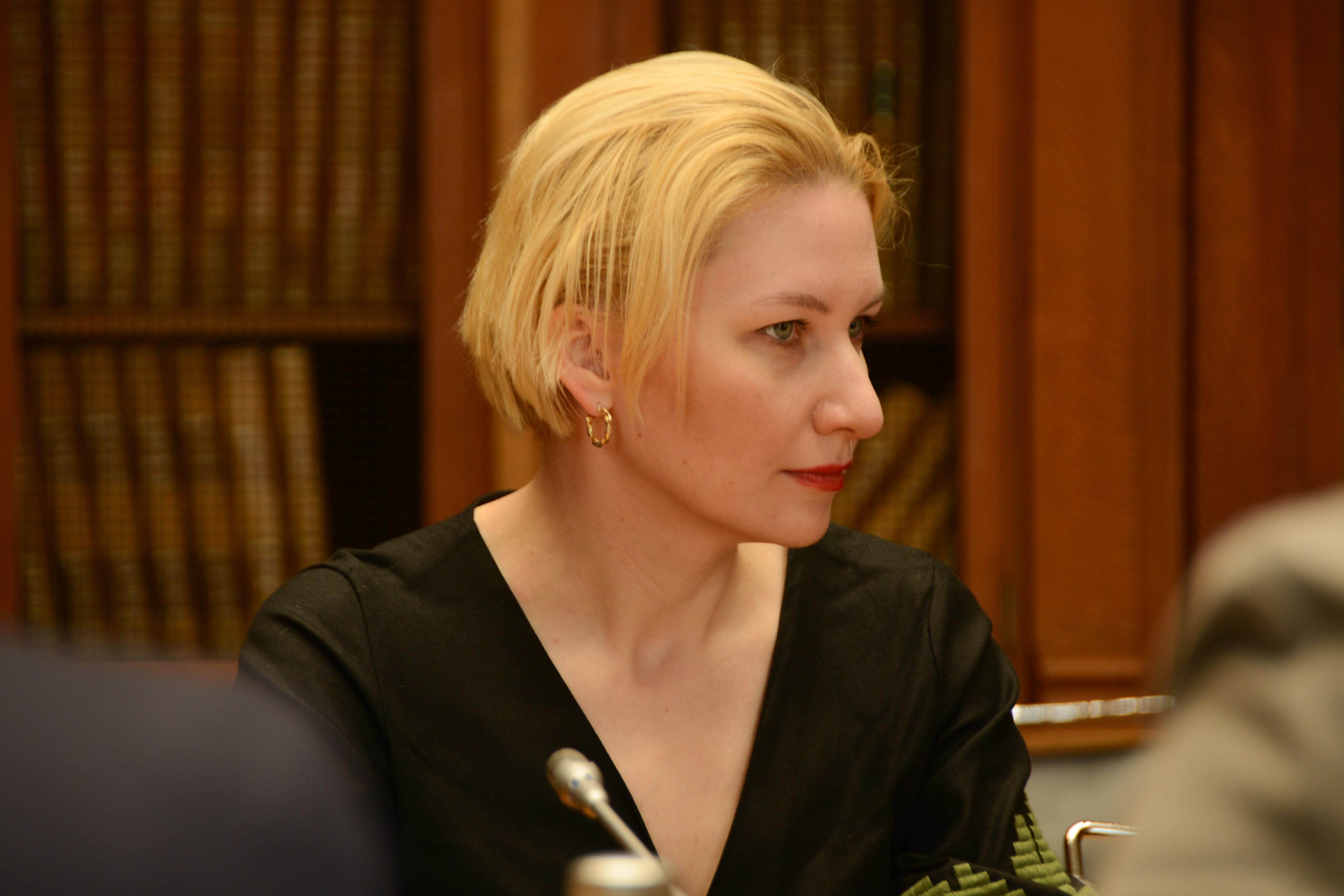
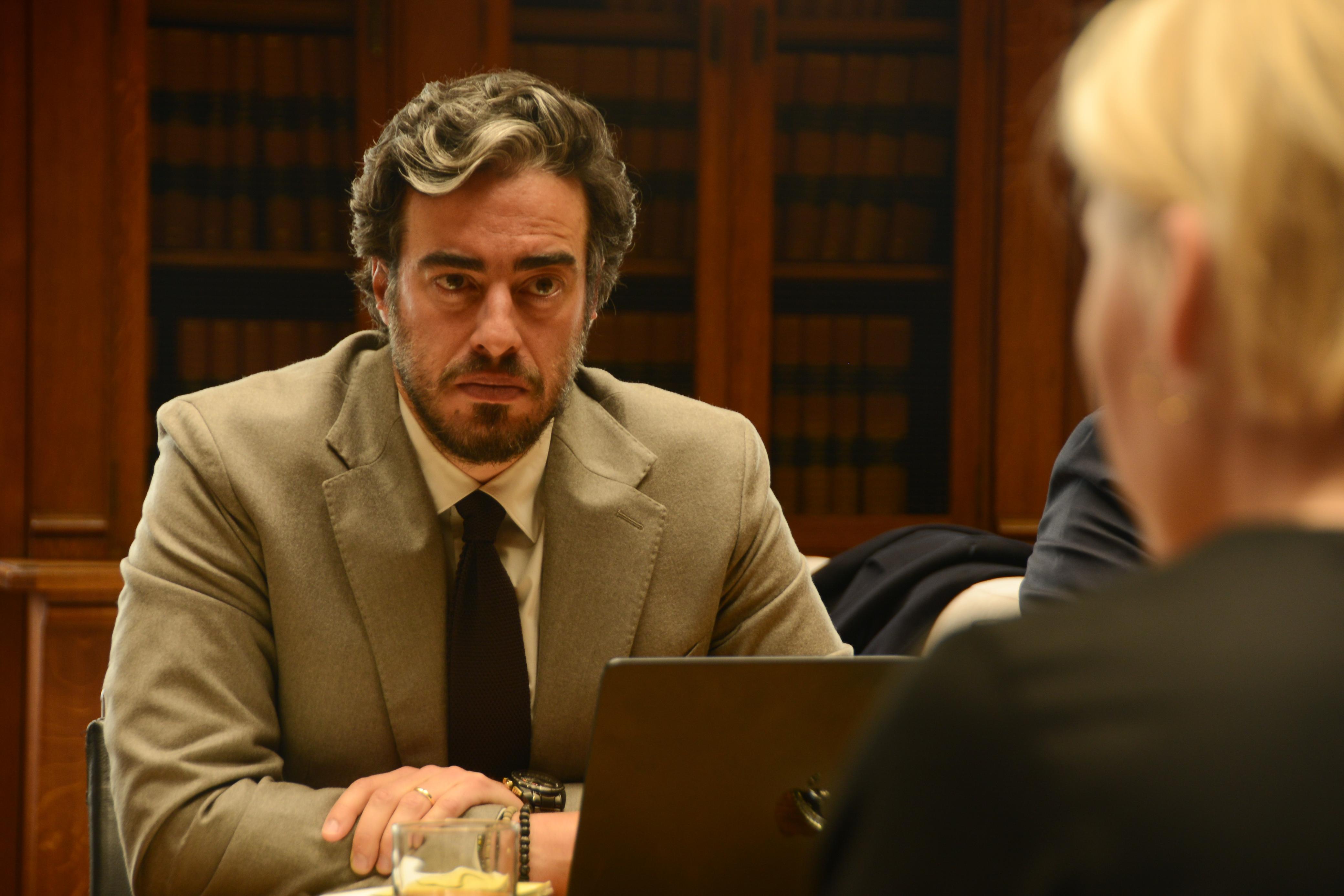
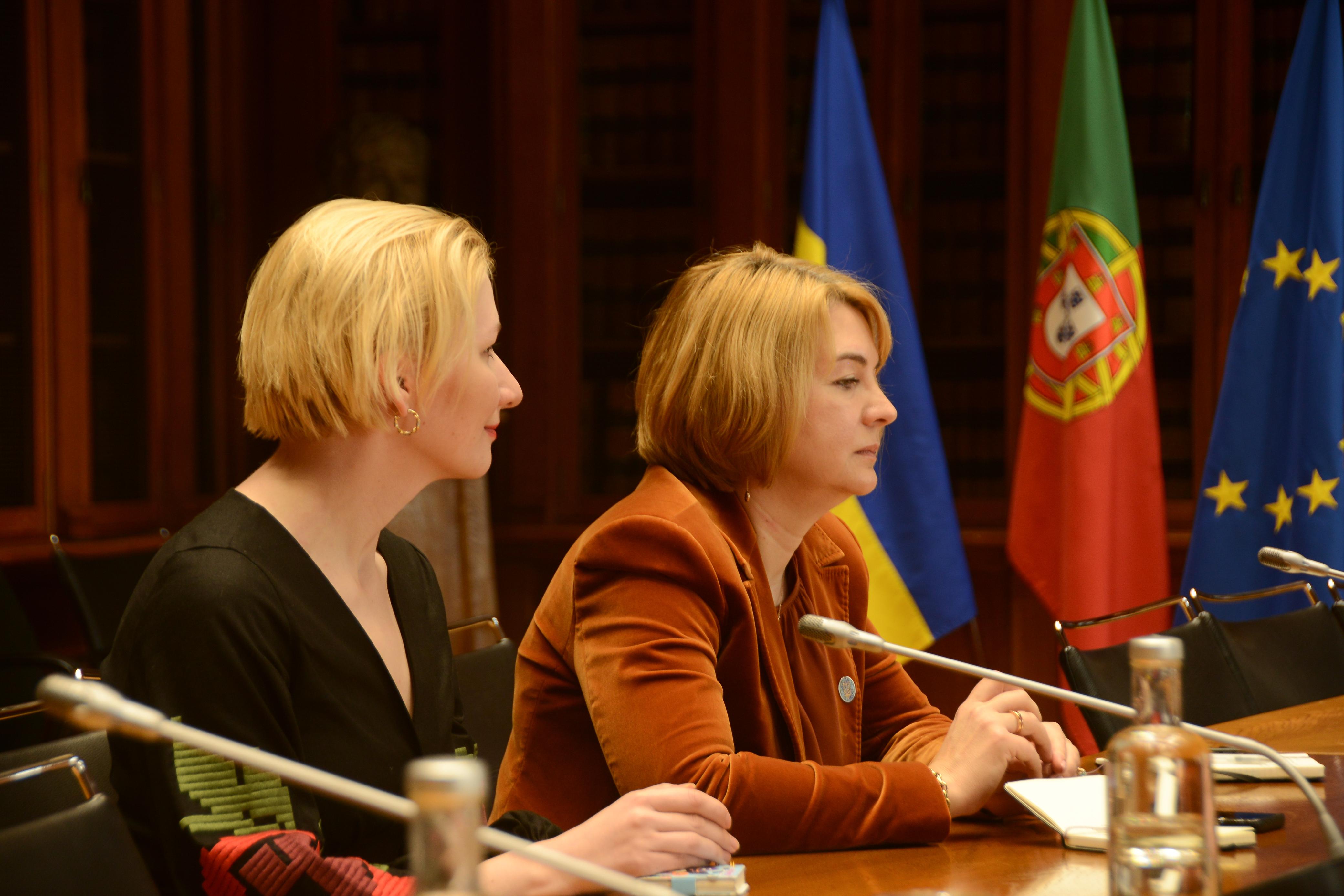
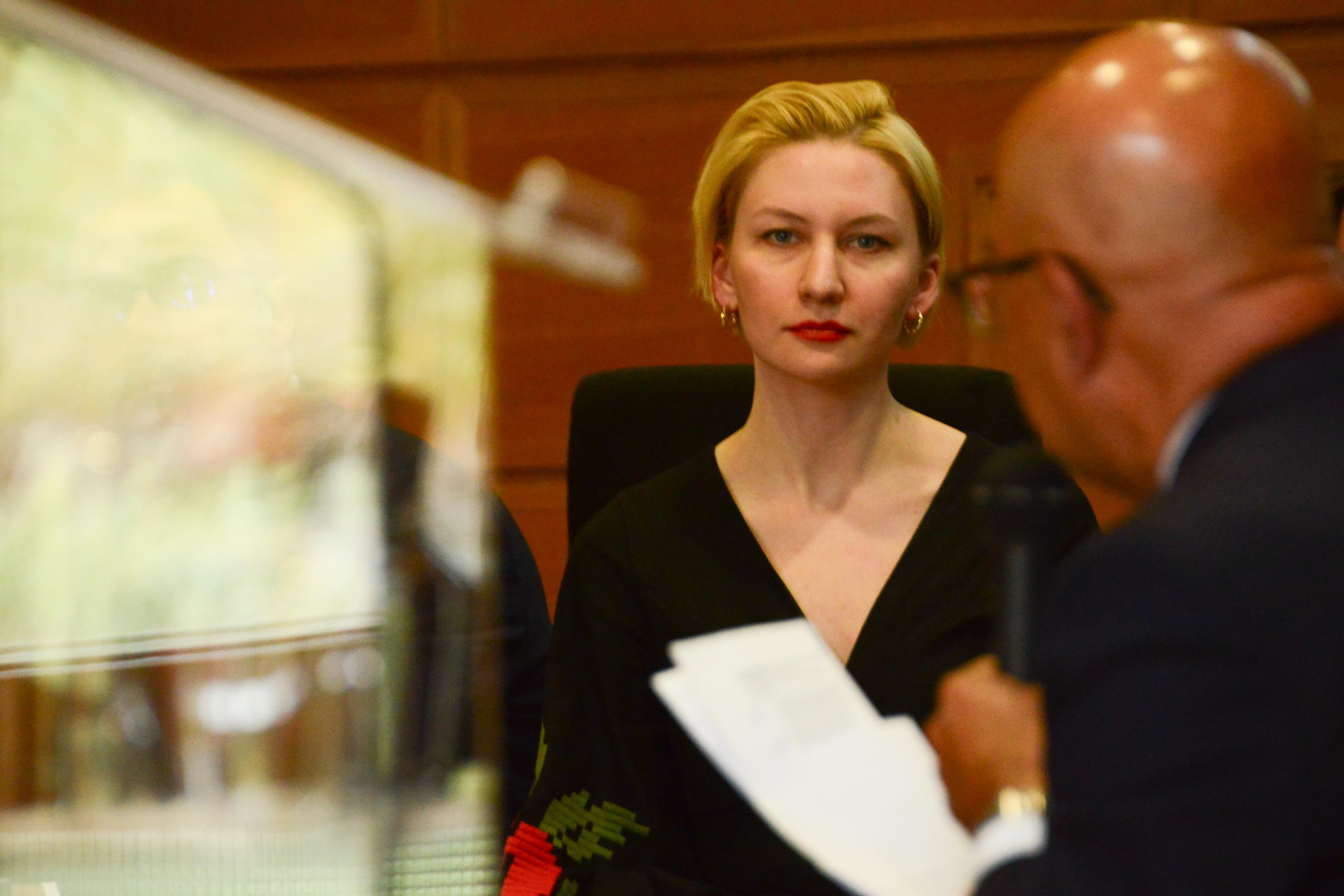
During the visit, she met with members of the Portugal-Ukraine Parliamentary Friendship Group in the Assembly of the Republic. MPs from different political parties in Portugal, led by Eurico Brilhante Dias, discussed cooperation in countering disinformation and joint response to hybrid threats.
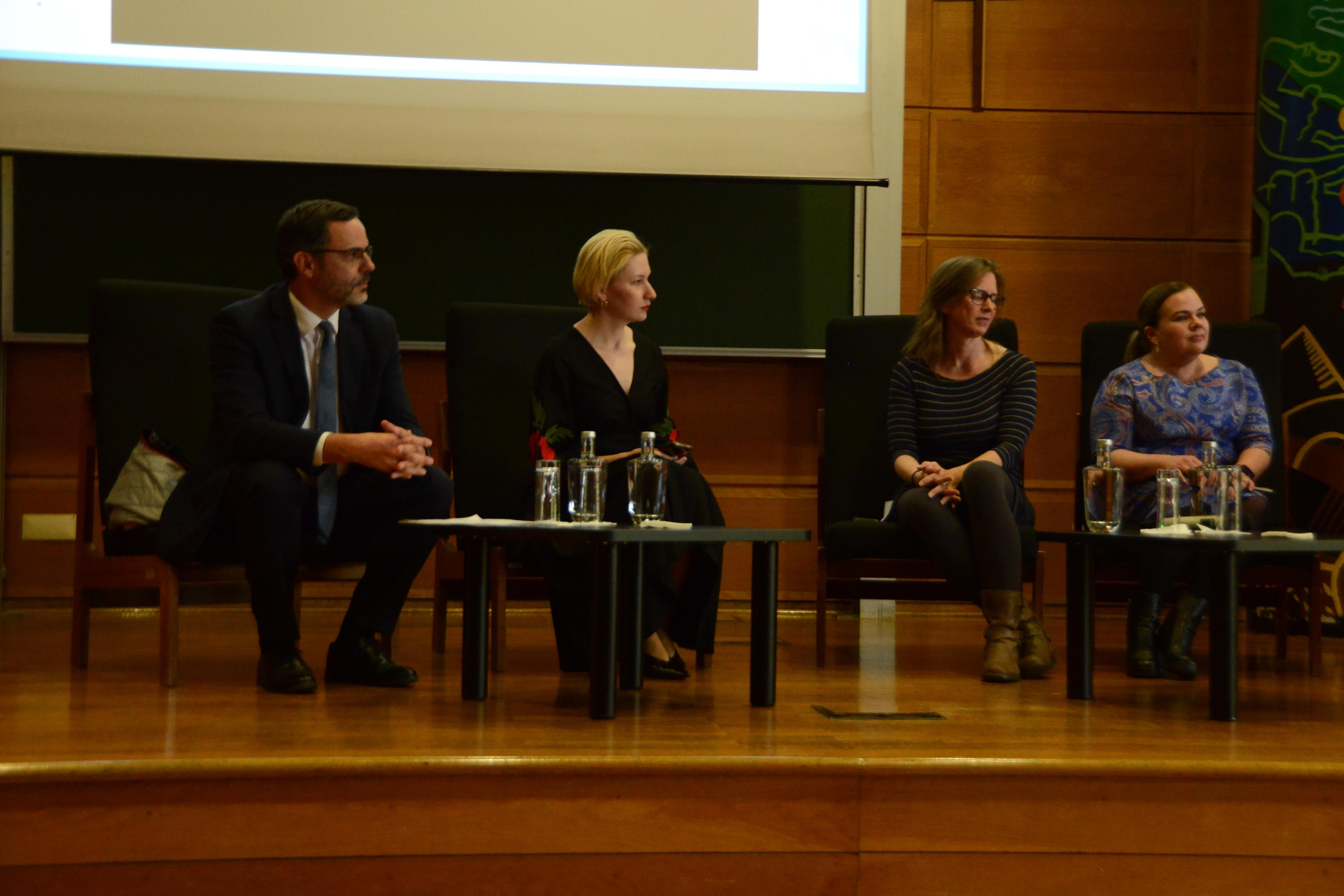
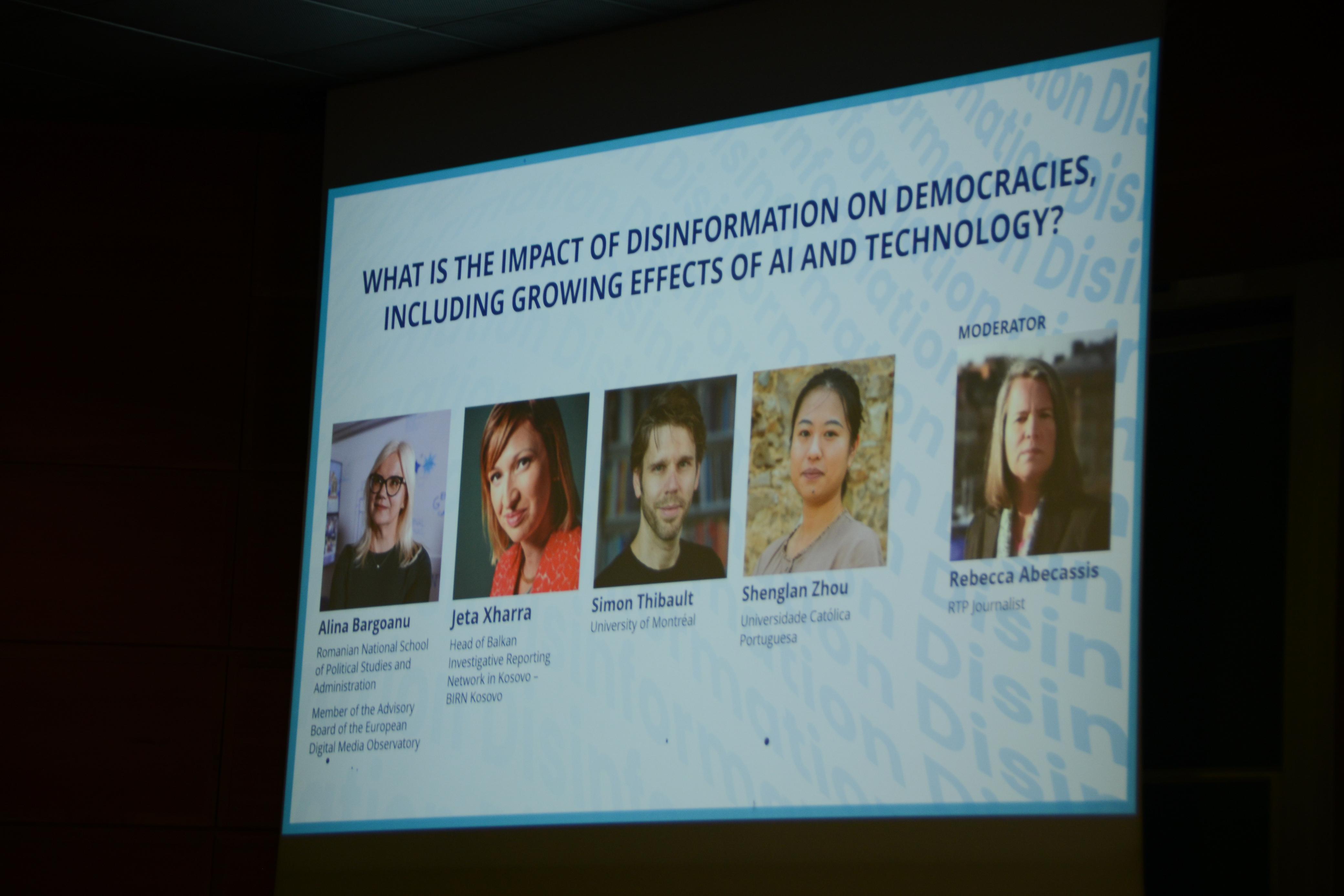
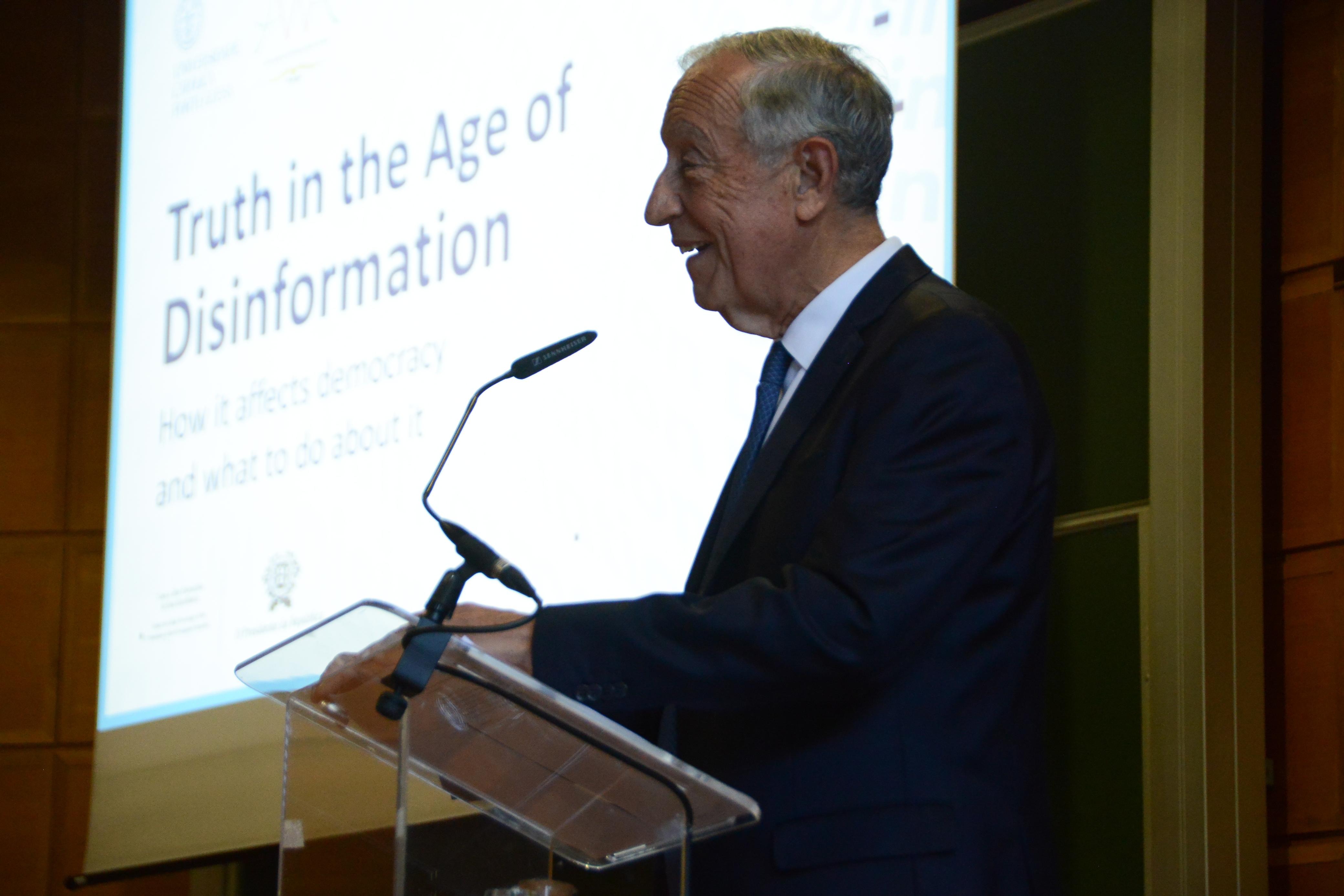
Maria Kucherenko also spoke at the conference “Truth in the Age of Disinformation,” organized by the Association of Women Ambassadors (AWA) accredited in Portugal. The guest of honor at the event was Marcelo Rebelo de Sousa, President of Portugal, who emphasized the importance of building resistance to disinformation.
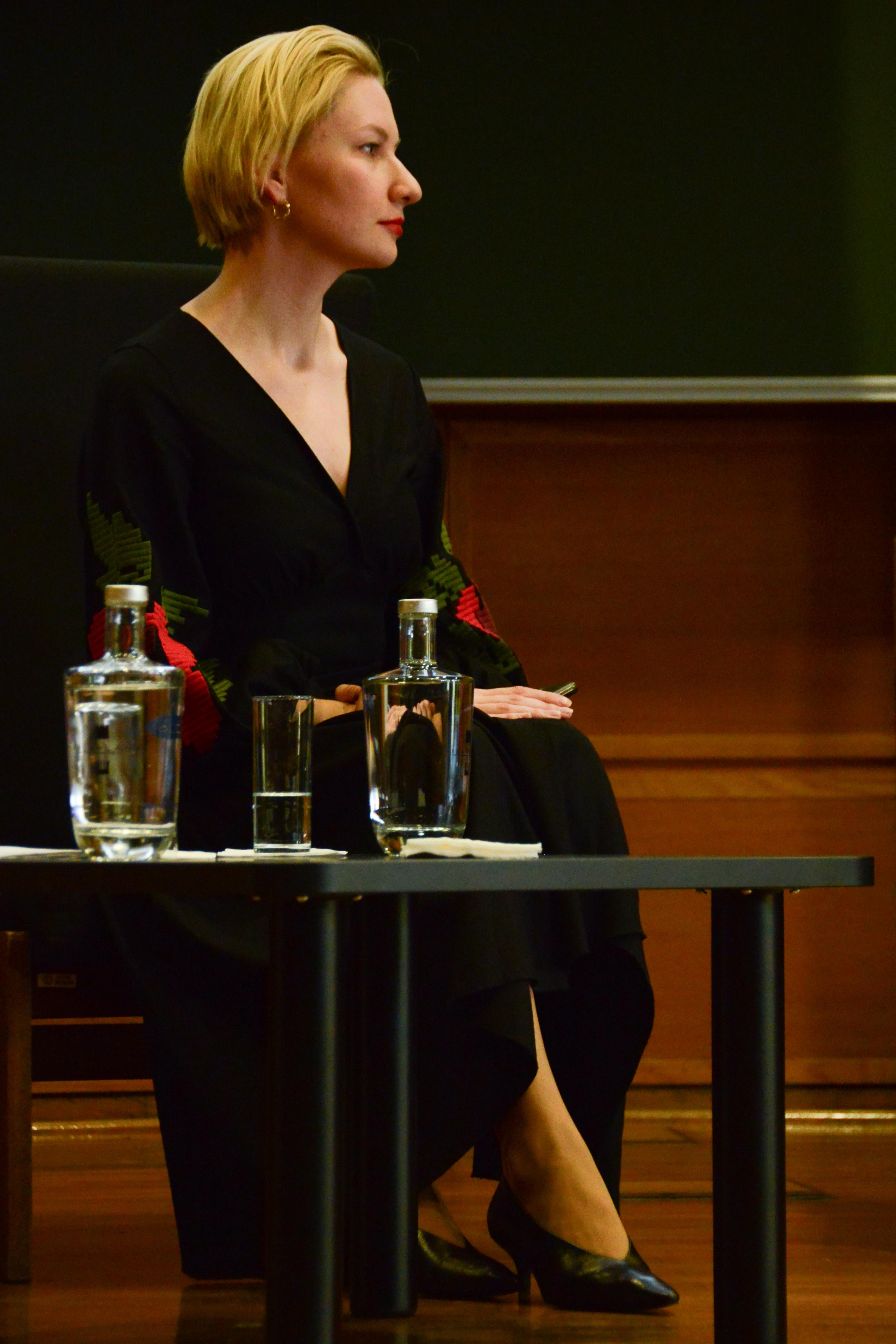
Here is the text of Maria Kucherenko's speech at the conference:
"A partial solution to the problem of disinformation in conflicts - both those that have been going on for many years and those that are in the preparatory stage - is to seriously work on the personalities responsible for disinformation influence in the countries that suffer from it.
My experience shows that specialists affiliated with the Russian special services, namely from the so-called back office of Yevgeny Prigozhin, media technologists, and political technologists, have often proven to be more influential than entire groups of militants. In several African countries, the impact of disinformation on elections is becoming decisive for the geopolitical vector of entire groups of countries. For example, the situation with the Alliance of Sahelian States, which opposes ECOWAS, became more serious because neighboring Ghana elected a president who had studied in Moscow at the postgraduate program of the Academy of Social Sciences under the CPSU Central Committee. Thus, the Alliance of Sahelian States gained maritime power in its immediate neighborhood, which strengthened the role of the Alliance. Responsible for the campaign was political strategist Pyotr Bychkov, who for many years headed Prigozhin's back office and supervised all political technology projects of the Wagner Group in Africa. As has become apparent, he continues to influence the situation on the continent even after the group's rebranding (from the Wagner Group to the African Corps).
It is very difficult to separate the impact on elections from the impact on conflicts, as more and more often, elections in countries with frozen conflicts risk escalating them into another phase. For example, another odious political strategist associated with the Wagner Group, Alexander Malkevich, who the US and EU sanctioned for interfering in the 2020 US elections, was physically present in Georgia during the 2024 elections under the guise of journalism. In fact, he was working for the Georgian Dream. Let me remind you that we are talking about a person who conducts several information operations in the newly occupied territories of Ukraine. Malkevich consistently involves minors in developing a network of propaganda channels in the occupied territories of Ukraine, thereby involving children in his discourse. Thus, we are talking about disinformation's influence not only on our today but also on our tomorrow. In 2024, Malkevich also tried to enter Moldova under the pretext that he was going there on vacation on the eve of the presidential elections in that country. Fortunately, he was not allowed to enter the country, which once again proves that doing your homework on personnel issues can indeed be life-saving.
It would also be correct to mention the classic methods of using disinformation during hostilities. The world has not experienced a war like the one that has been going on in Ukraine since 2014 since World War II. And naturally, the world is frightened by this war, so most players would like a settlement. One way or another. Ukraine has wanted a settlement for all these years, but not at any cost, and it would be right to start with the fact that we were not the party that started this war. But Russia has always tried to portray us as the party that refuses to settle and prevents everyone from returning to “business as usual.” It goes as far as distorting basic knowledge about war crimes: Russia not only denies the acts of genocide committed against Ukraine but also tries to claim that Ukraine is the party committing the crimes. For example, now the Russians are trying to level the crimes committed in the Kyiv region in 2022 by promoting the narrative of “Sudzha another Butcha.” That is, on the one hand, they recognize this fact - the fact that their side committed a crime, and on the other hand, they say that Ukraine is doing the same thing, but against Russia, without providing any evidence.
The only prescription I can offer is to scale expertise in Russian information operations and information influence.By working with facts, focusing on the knowledge of a country that challenges not only Ukraine but also Europe as a whole, as well as Europe's fundamental values, we will be better able to counter this threat and even be able to act preventively."
Photo: Sofiya Shovikova
Share