
CBA Initiatives Center Hosts Panel Discussion: Government Representatives Discuss the Role of Adaptive Sports in Veterans’ Lives
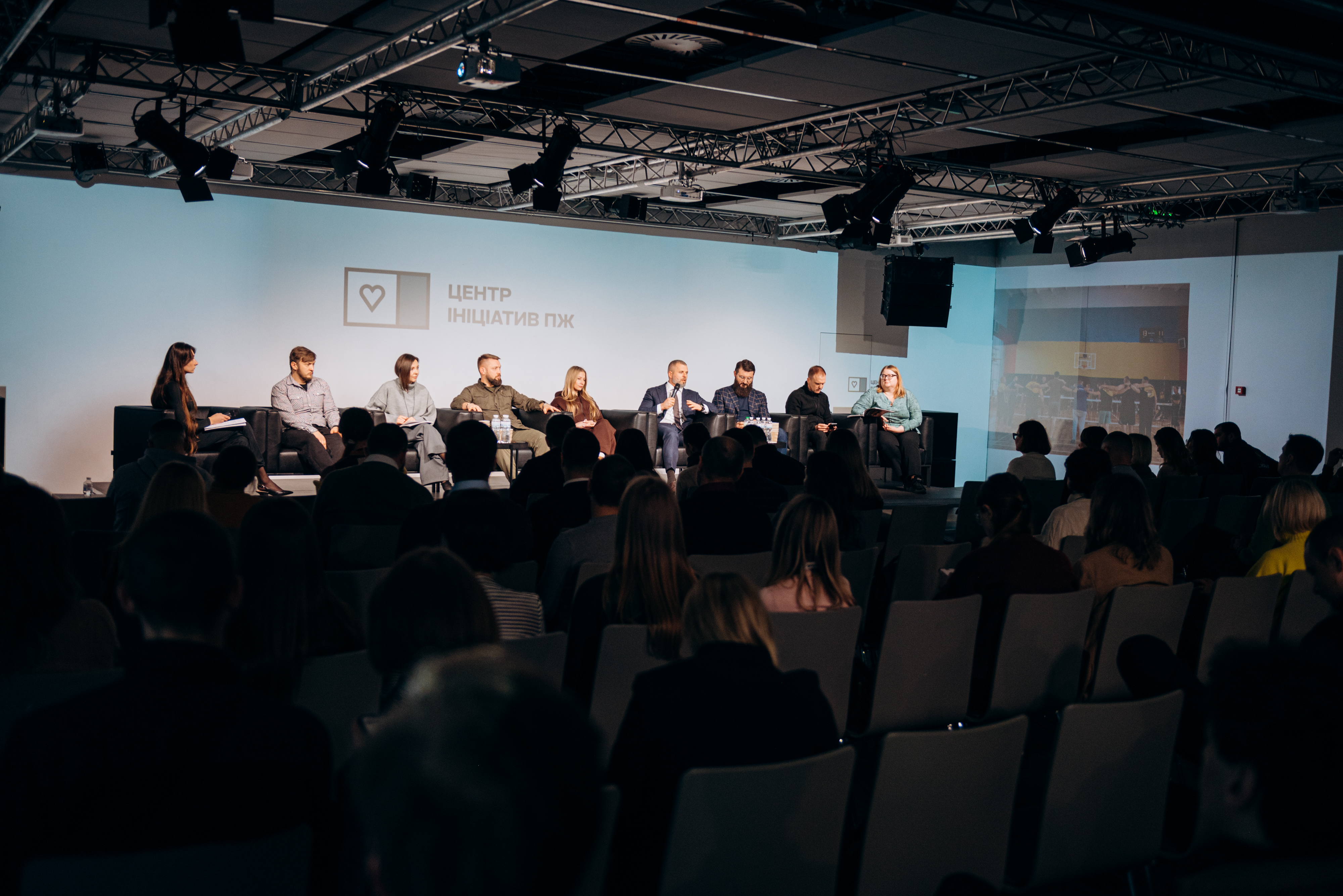
On January 23, 2025, in Kyiv, the team of CBA Initiatives Center presented the research study “The Joy of Movement: How Adaptive Sports Help Veterans Recover.” The study, authored by analyst Yaroslava Bratus, examined the impact of physical activity on the psychological and physical health of veterans. During the ATO/JFO, the field of recovery through adaptive sports began to actively develop. However, international veteran competitions such as the Invictus Games, Warrior Games, and Air Force Trials have long existed, with organizers studying the effects of physical activity on participants’ well-being. The Ukrainian context of war is unique, making it important to study how adaptive sports specifically support our veterans.
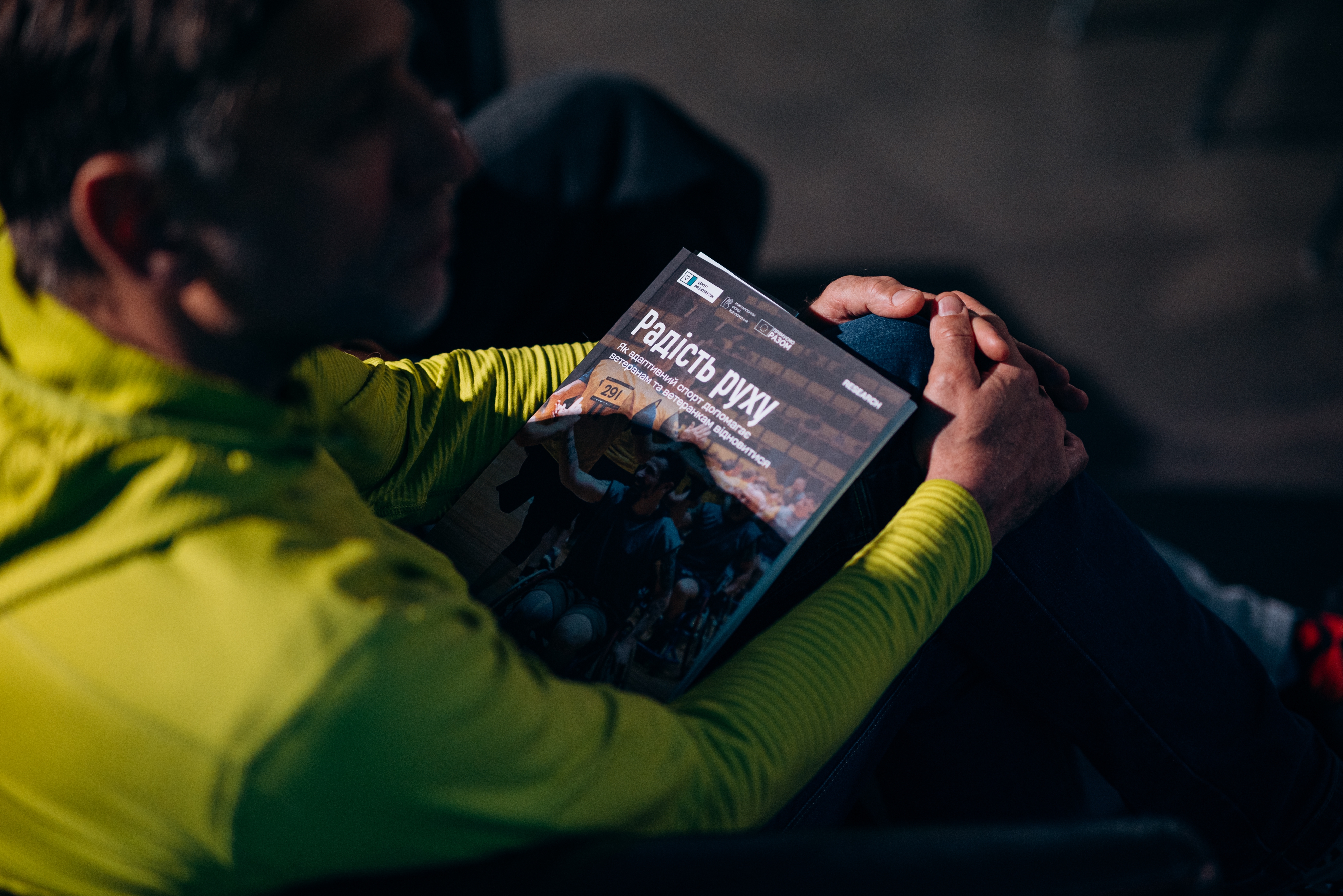
This study is the first of its kind in Ukraine and represents an initial attempt to gather information and pilot adaptive sports programs for scaling. The veteran department of CBA Initiatives Center also contributed to its development, demonstrating the principle of “Nothing for veterans without veterans.”
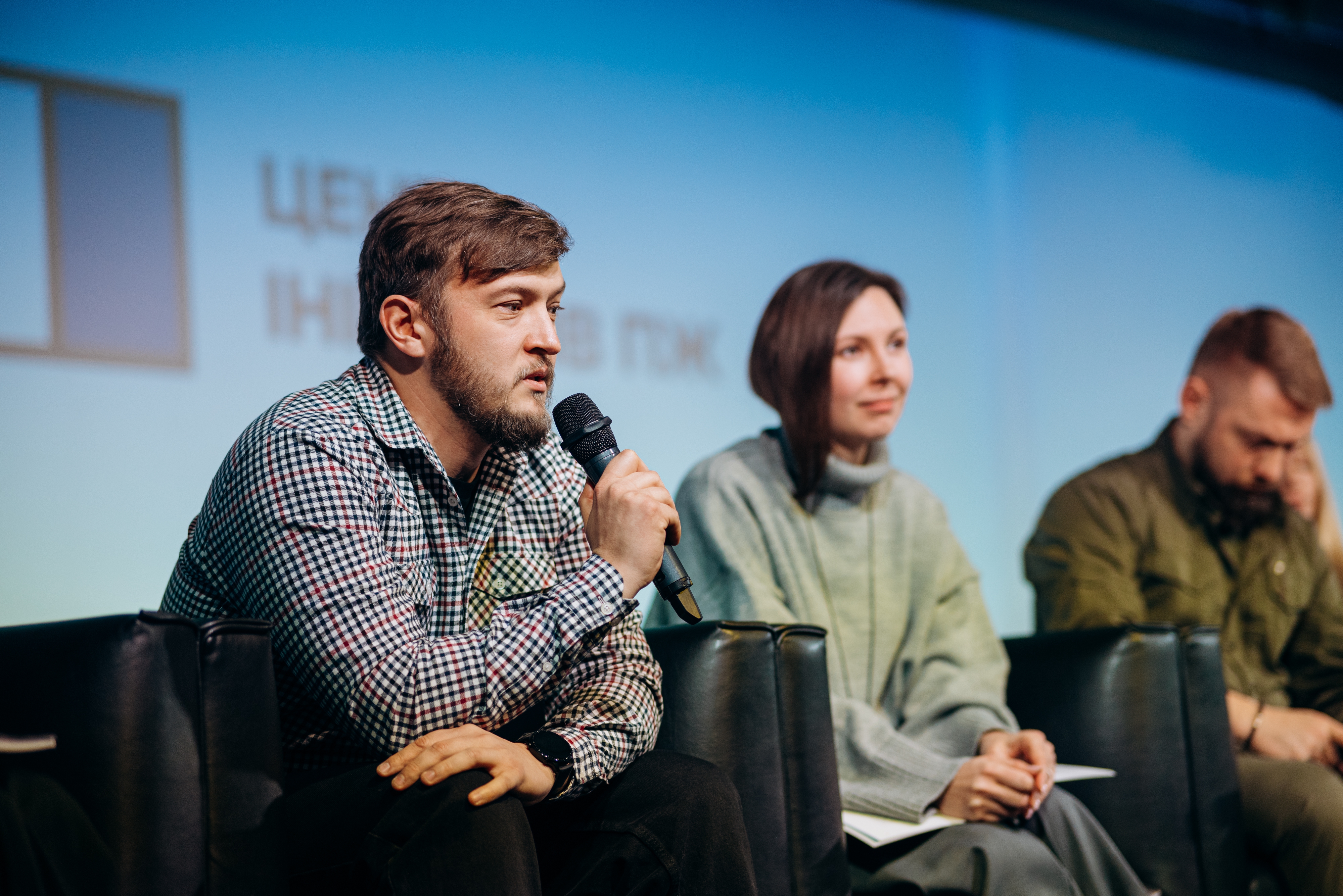
As part of the research presentation in Kyiv, a panel discussion titled “Recovery Through Physical Activity: Creating Opportunities and Overcoming Barriers” was held. Participants included Ruslan Prykhodko, Deputy Minister for Veterans Affairs of Ukraine; Matviy Bidnyi, Minister of Youth and Sports of Ukraine; Ulyana Tokareva, Deputy Minister of Social Policy of Ukraine; Leonid Tymchenko, Deputy Minister of Internal Affairs of Ukraine; Yulia Koval, Head Coach of the Heroes Games project; Ihor Saliy, veteran and active serviceman; Ilona Voloshyna, active servicemember and National Coordinator of the Invictus Games in Ukraine; and Oleksandr Pakholiuk, Director of the charitable foundation MHP to the Community. Below are highlights from the panel discussion.
Ruslan Prykhodko, Deputy Minister for Veterans Affairs, on the main potential of sports
"It is crucial to understand what proportion of the Armed Forces of Ukraine participates in sports and how it affects their lives. It is equally important to know how many people discovered sports and its opportunities during the full-scale invasion. This issue is of fundamental importance to us."
"We plan to integrate mental health initiatives with physical activity. Our goal is to develop a veteran sports ecosystem. For this, we engage not only with government organizations but also with private partners."
Matviy Bidnyi, Minister of Youth and Sports, on prospects for recovery through sports
"I am glad to see an environment forming that is committed to developing adaptive sports in Ukraine. Ruslan Ivanov, a veteran I speak with, marks his birthday not on the day he left the minefield, but the day he arrived at the Superhumans Center."
"Ruslan inspires and leads others. He shows that all initiatives must start with the individual. Communities need to find such people, understand their needs, and provide support. These are the people who will lead other veterans forward."
Ulyana Tokareva, Deputy Minister of Social Policy, on how adaptive sports intersect with social services
"The goal of social services is social adaptation. Sports are a resource veterans can rely on during this process. We view physical activity as part of some social services. I encourage people not to separate these concepts. For instance, we provide veterans with disabilities equipment to help them engage in physical activity at home."
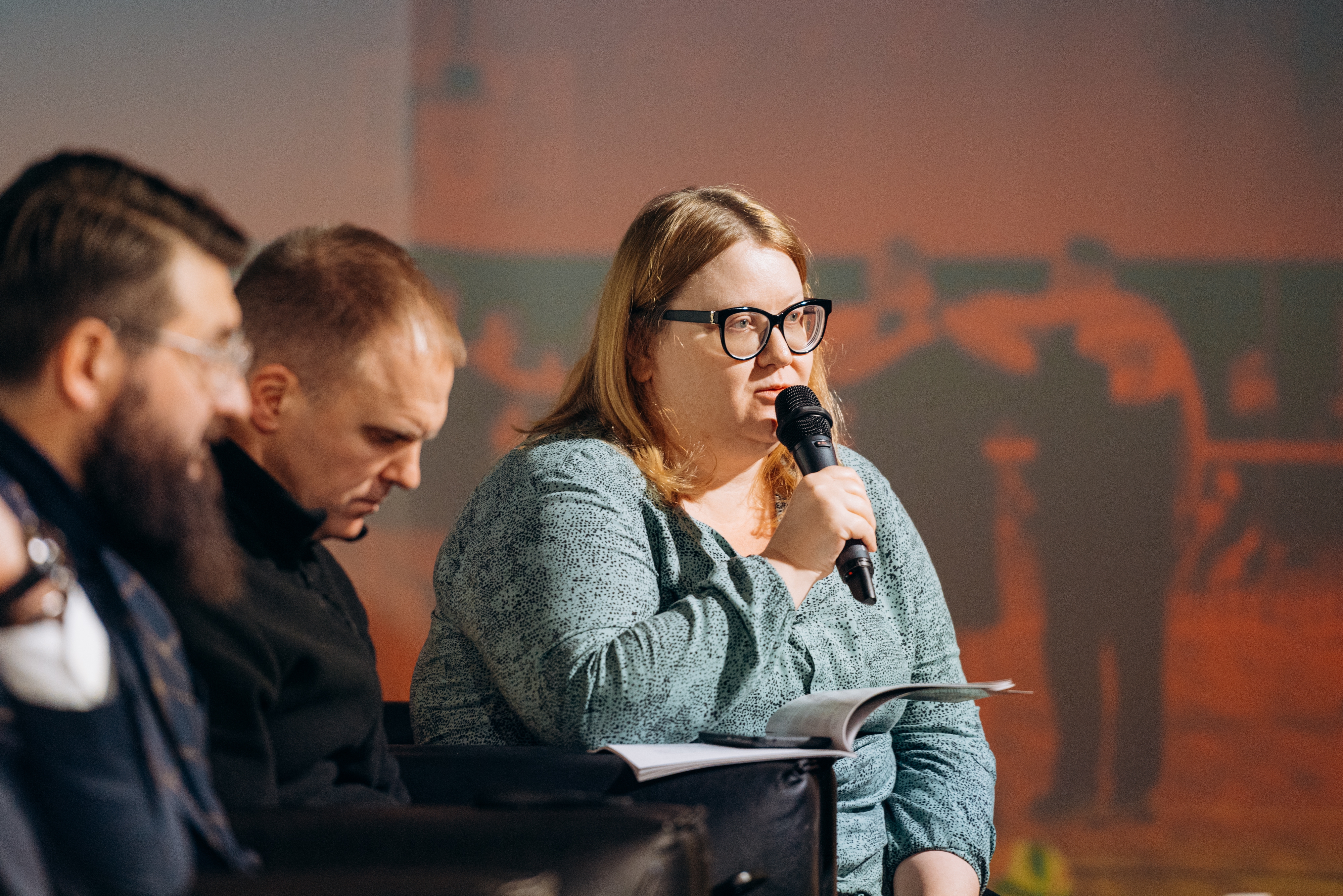
"Social policy can support adaptive sports, and adaptive sports can enhance social policy. An example is a municipal nanny program, where children are supervised while their parent trains."
Leonid Tymchenko, Deputy Minister of Internal Affairs, on promoting adaptive sports among active servicemembers
"One of our strategic goals is to participate in the training of coaches. Without responsible and empathetic coaches, any adaptive sports project will not succeed. We also help create jobs for veterans, as the principle 'peer to peer' has proven effective."
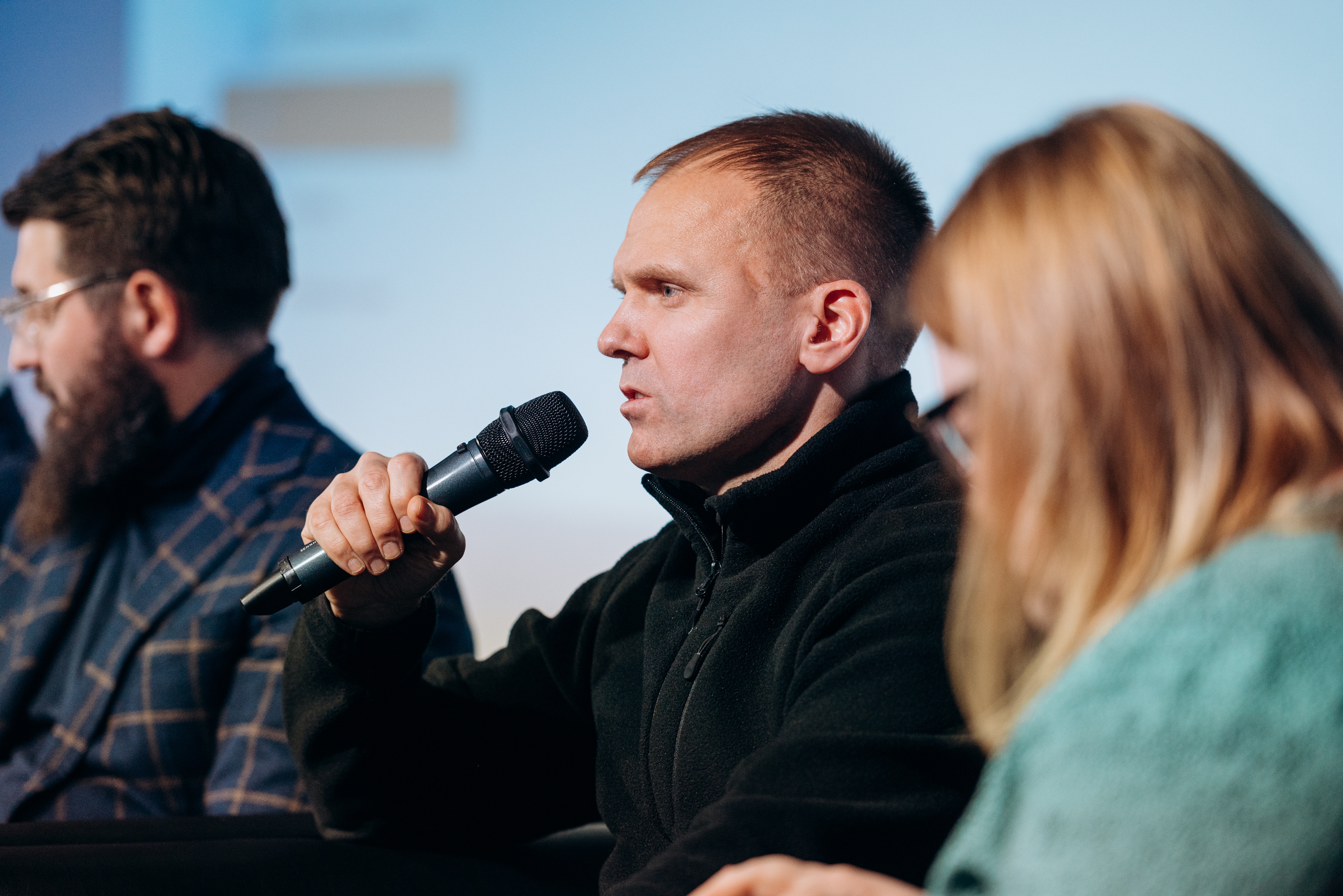
Yulia Koval, Head Coach of Heroes Games, on the subtleties of adaptive sports
"Adaptive wellness training is part of adaptive sports. These sessions allow proper load on the musculoskeletal system while considering compensatory biomechanics."
"Ukraine has a strong fitness industry with many coaches. Yet, I’ve often seen a lack of understanding when working with wheelchair users or amputees in gyms. That’s why we established a school to train adaptive sports coaches."
Ihor Saliy, veteran and active servicemember, on the importance of sports
"After a severe concussion, I tried archery. Initially, I could focus only for four seconds, but after a month of regular training, my attention improved significantly. I realized I was recovering faster than in a hospital."
"Veteran competitions became a kind of gathering, a place to meet fellow servicemembers and feel among 'our own.' Later, I passed selection for the Air Force & Marine Corps Trials and then became an assistant coach for the Invictus Games team. I thought I had won all competitions, but it felt even greater to pass the bow to other veterans and encourage them in sports."
"I feel that adaptive sports heal me physically and mentally. Moreover, I understand that I am doing something important and valuable. Veteran adaptive sports change everything around you—your habits, goals, friends, and yourself."
Ilona Voloshyna, active servicemember and National Coordinator of the Invictus Games in Ukraine, on working with veterans focused on sports achievements
"Motivation in the Invictus Games varies. Based on this, we conduct team selection. Some participate only for a medal. We explain that it’s a good indicator of effort but not the ultimate goal—rather, a stimulus. We show them a broader horizon for planning their goals."
"The entire Invictus Games team works to ensure veterans leave healthier than when they arrived. That’s why we cooperate with rehabilitation specialists."
Oleksandr Pakholiuk, Director of MHP to the Community, on the importance of scaling adaptive sports in communities
"We’ve worked in communities for over ten years. This has shown us that sports are an integral part of everyone’s life. In rural areas, veterans often lack access to physical activity after returning to civilian life. We aim to provide space for both sports and peer connection."
"The most important factor in adaptive sports is human capital, and veterans are a significant part of it. The quality of support we provide them affects our collective success."
The research “The Joy of Movement: How Adaptive Sports Help Veterans Recover” was created with support from the European Union and the International Renaissance Foundation as part of the joint initiative European Revival of Ukraine.
The document is valuable not only for veterans but also for anyone interested in developing adaptive sports in Ukraine. It provides a detailed description of opportunities and barriers to scaling this sector.
Share