
More Than Sport: How the CBA Initiatives Center Supports Ukraine at the Invictus Games
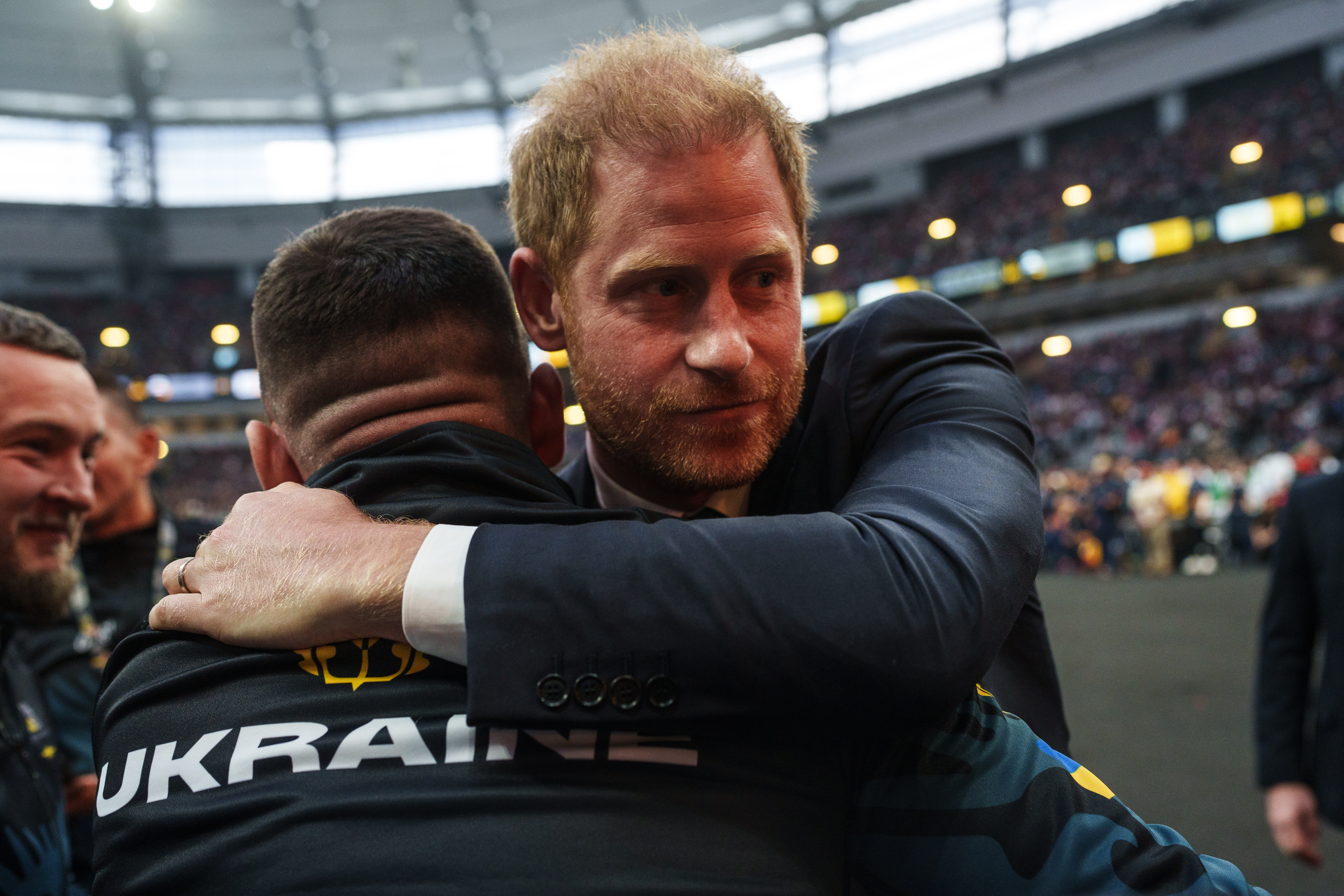
The Invictus Games, founded by Prince Harry, were created for servicemen and servicewomen, as well as veterans, who sustained injuries or illnesses during their service. They are not merely sporting competitions, but a pathway to physical recovery, psychological rehabilitation, and social reintegration. Through adaptive sports, participants regain mobility and confidence, acquire new skills, and learn to understand and work with their new bodies.
Why This Matters for Ukraine
For Ukraine, the Invictus Games are not a formality. We are the only participating country that, while taking part in the event, is simultaneously defending its territorial integrity and national identity. The participation of our national team is a way to demonstrate the dignity of Ukrainians, affirm their right to be visible in the world, and remind the international community of the war in which Russia attacked Ukraine, beginning in 2014.
“The international platform of the Invictus Games gives our veterans the opportunity to feel that they are part of a large global community where they are understood and supported. When we, as an organization, are active members of the Invictus community, we are present in the global veterans’ environment.
We are not just a country at war. We are a country that invests in veterans’ recovery, implements modern rehabilitation standards through adaptive sports, and builds a comprehensive support system for veterans,” says Ihor Krytsak, Senior Specialist of the Veterans Department at the CBA Initiatives Center.
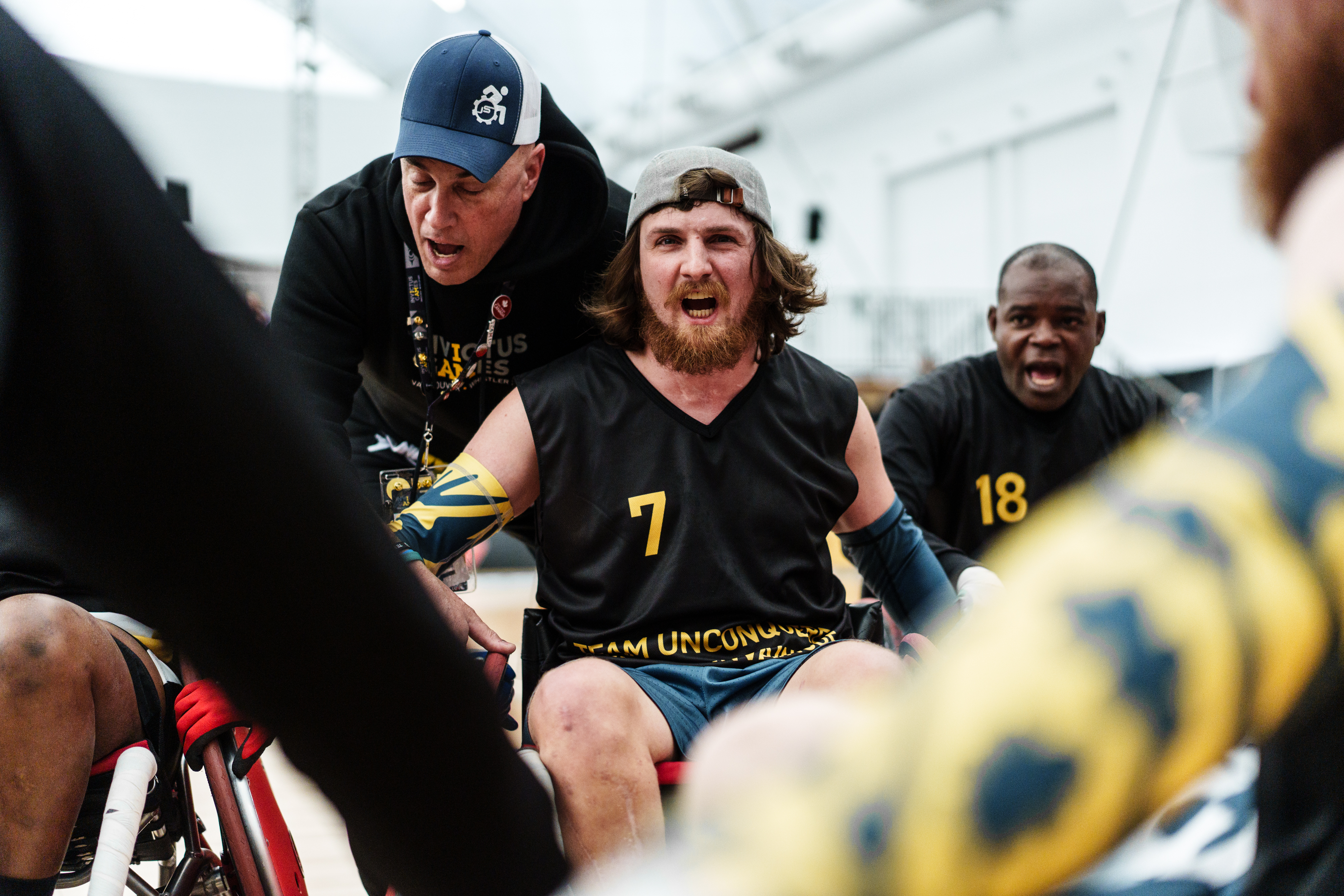
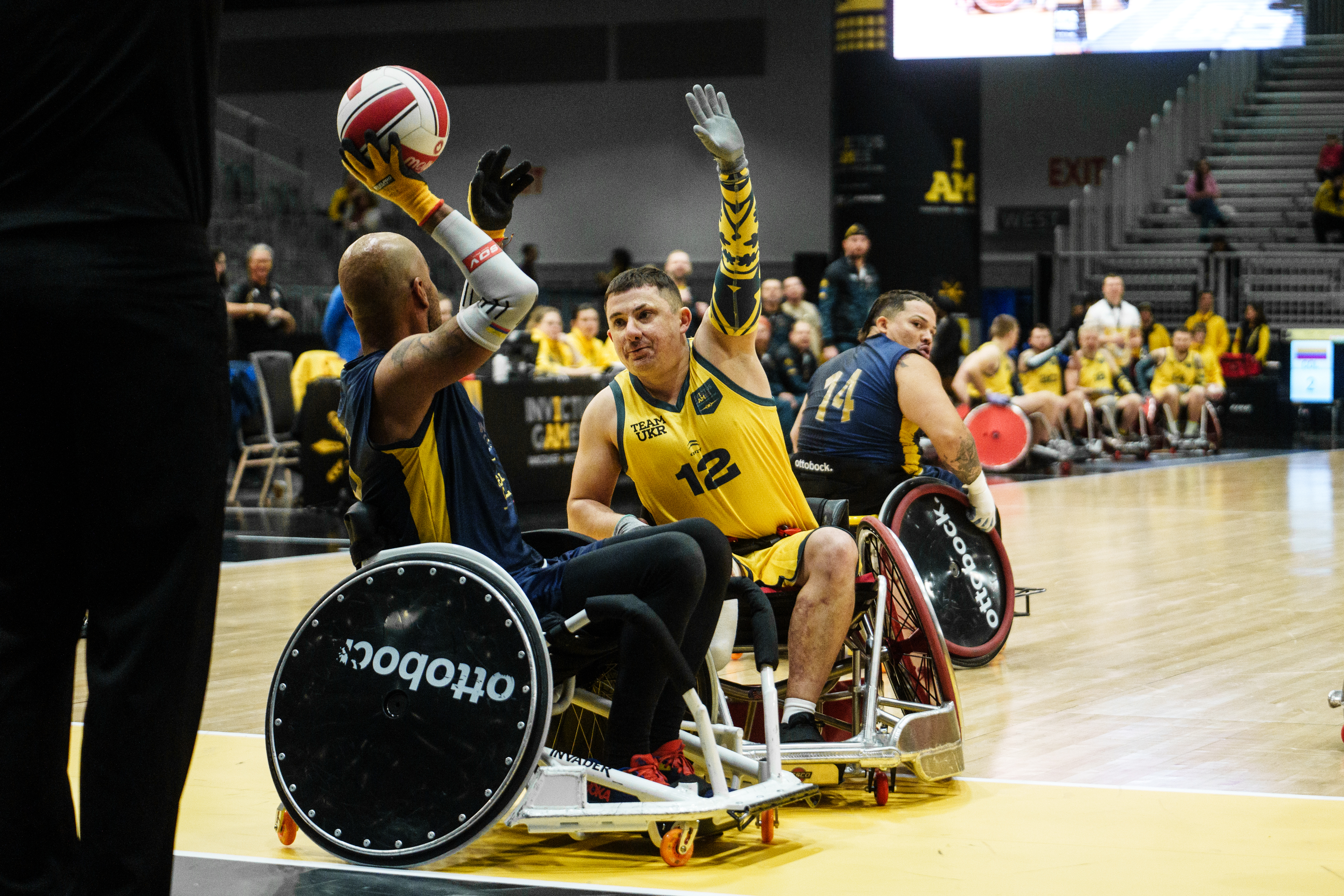
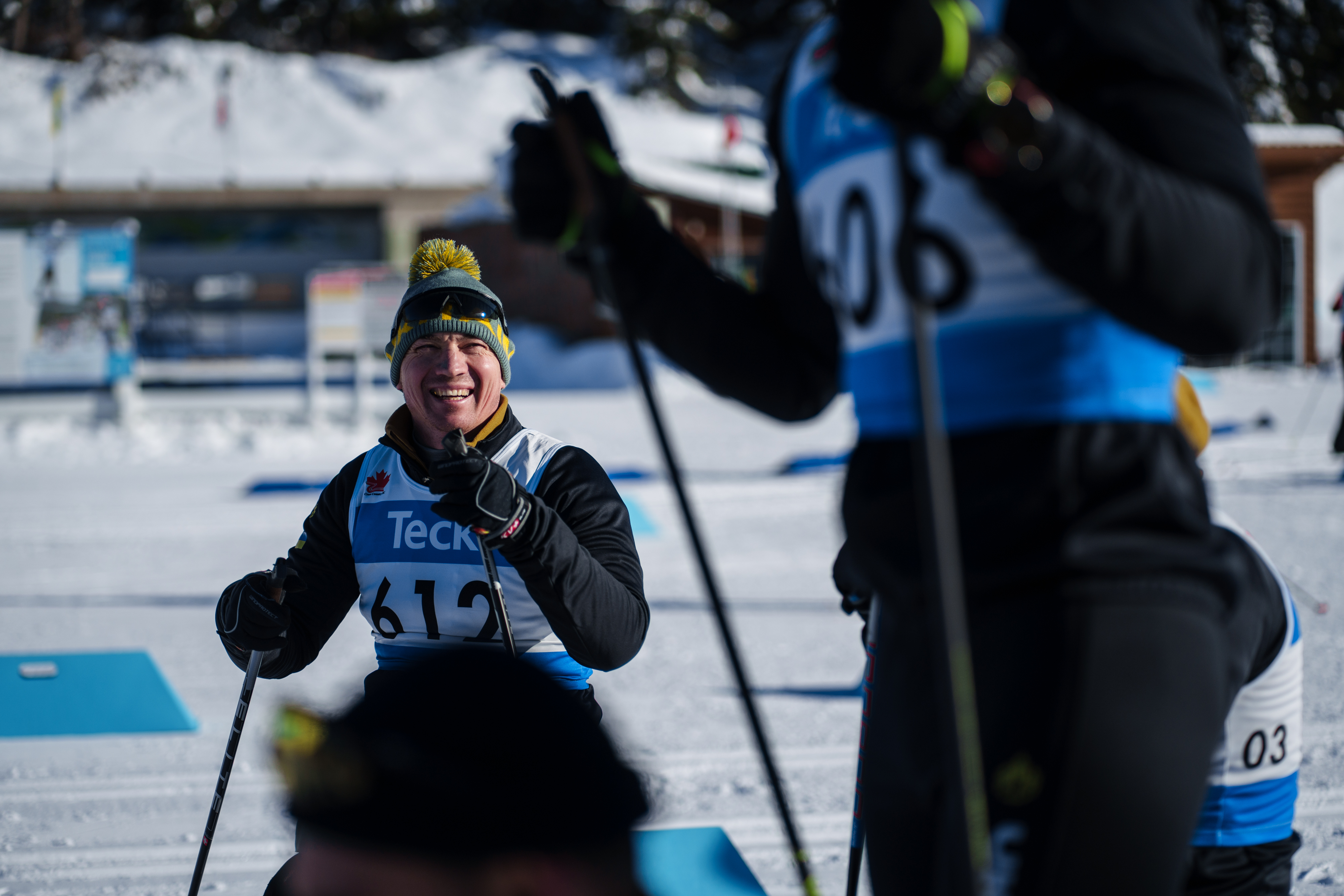
At the same time, the Ukrainian team consistently demonstrates strong sporting results. Since its debut in 2017, the national team has won hundreds of medals and has steadily ranked among the leaders of the Games. The performance dynamics are telling: 14 medals in Toronto (2017), 20 in Sydney (2018), 16 in The Hague (2022), 34 in Düsseldorf (2023), and 30 in Vancouver (2025).
The Role of the CBA Initiatives Center
Since 2018, the CBA Initiatives Center has supported the Ukrainian national team at every stage of its participation in the Invictus Games. The Center’s team:
- organizes the selection process;
- plans training camps;
- provides financial and logistical support;
- facilitates international partnerships, including cooperation with the Wounded Warrior Project.
The Center has raised over 20 million hryvnias to prepare and support the Ukrainian team’s trips to Germany and Canada. This has enabled athletes to train in mountainous conditions, receive proper equipment, and work with professional coaches.
“Being part of the community means access to shared experience, best practices, international coaching standards, and an understanding of modern methodologies for preparing national teams. Each Invictus Games preparation cycle upgrades the entire veterans’ sports system in Ukraine. We introduce new practices, technologies, and approaches that support — rather than hinder — recovery.
It is also about building a culture of respect for veterans. Invictus changes the narrative: a veteran is not a victim, but strength, dignity, character, and an example for all of us. For a country at war, this is fundamental. That is why we have been, are, and will remain involved in these processes that are vital for the state,” adds Ihor Krytsak.
Community and Team Spirit
The Center’s analysts conducted Ukraine’s first comprehensive sociological study on the impact of adaptive sports on participants’ lives. One of the study’s key contributions is providing an analytical foundation for practical work — something that has been lacking in Ukraine. This research goes beyond dry numbers and charts; it helps shape effective ways to support those who have given their time and health in defense of the country.
“There were constant difficulties, but thanks to the unwavering and sincere support of my brothers-in-arms and instructors, who quite literally carried me in their arms, I quickly stopped focusing on them and simply did what I had to do. In the process, I gained invaluable experience and incredible satisfaction,” recalls Oleksii Prytula, a member of the Ukrainian team in 2024.
Adaptive sport offers the opportunity to belong to a community of people with shared experiences and helps overcome the consequences of both visible and invisible injuries. Veterans are uniquely capable of supporting and motivating one another. Their shared experience brings them closer together and works as a powerful remedy.
“Our team sees the results, the progress, and the transformation of people — and therefore we will continue on this path,” says Ihor Krytsak.
“Team sports truly inspired me. You are responsible not only for your own result, but also for the results of your brothers-in-arms. When the team succeeds, it inspires you and builds the confidence that helps you achieve other things in life,” says Arsen Riaboshapko, a member of the 2024 national team.
Dmytro’s Story: Perseverance and Discovering Adaptive Sport
Dmytro Kozak is 28 years old and comes from Lviv. During the Revolution of Dignity, he was studying in Zolochiv. Even at 17, he was deeply affected by the events unfolding in Ukraine and spent his weekends at the Maidan. At one point, Dmytro became disillusioned, feeling that his actions had no tangible impact. But when the first killings took place in Kyiv, he immediately joined the resistance headquarters. He was initially refused permission to travel to the capital because he was considered too young. That same evening, he returned and insisted — and was eventually allowed to go. His parents did not know he was on the Maidan on February 19.
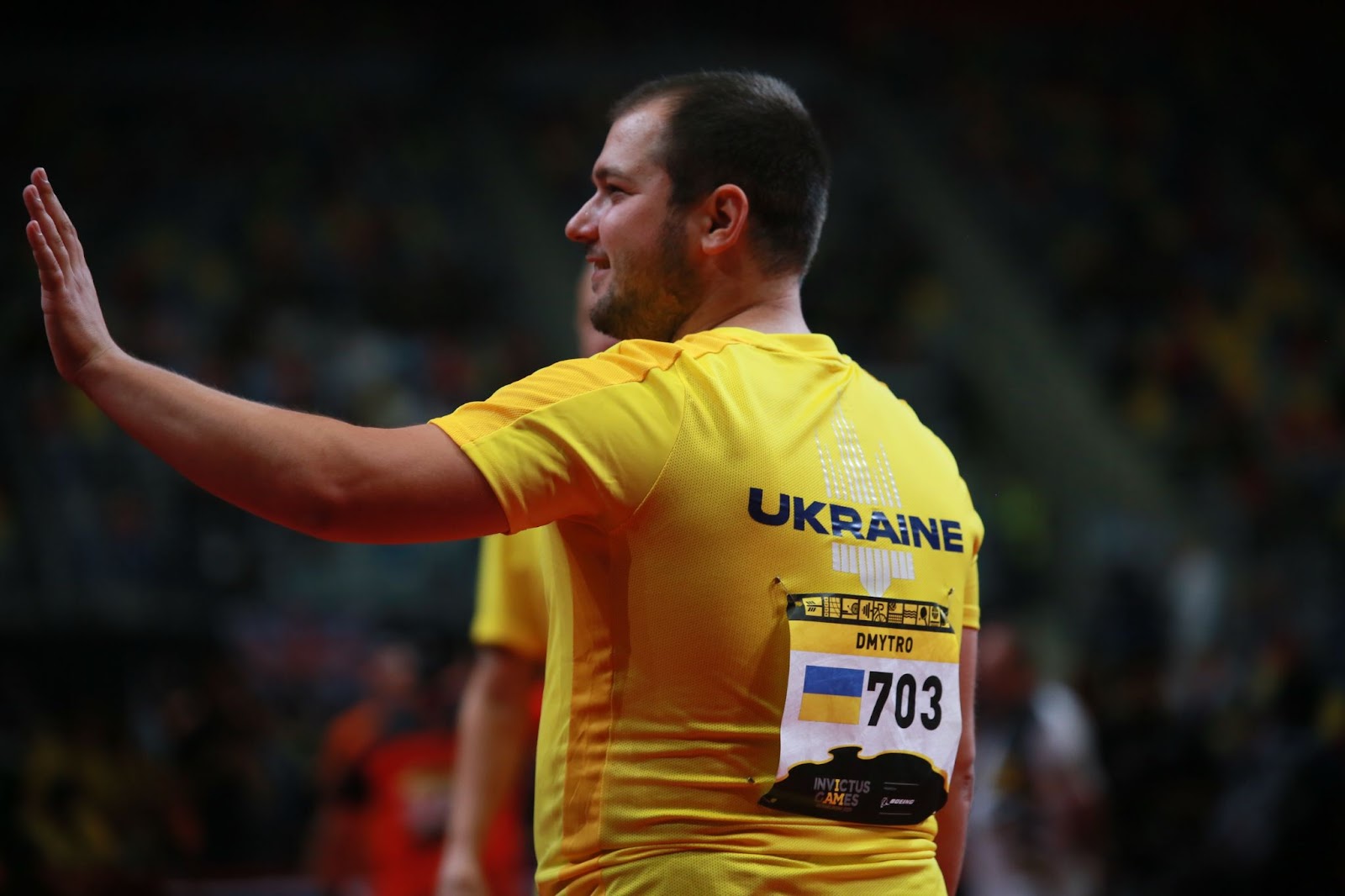
Dmytro stood on the front-line barricades, looking riot police officers in the eye — and facing death. He recalls that blood flowed like a river. One day, he lost consciousness. When he came to, he realized he had suffered a head injury caused by a blast wave. He sustained damage to his respiratory system and spine. He underwent lengthy treatment in Lviv and later abroad.
For his involvement in the Maidan events, Dmytro was granted combatant status. During the first three years after his injury — though invisible — he struggled psychologically. Any memories related to the Revolution of Dignity triggered tears. After returning to Lviv, he took part in a table tennis competition for combat veterans and later tried several other adaptive sports. This helped him distance himself from intrusive thoughts about those events.
In February 2022, Dmytro joined the National Guard. He served in various sectors in eastern Ukraine — all of them intense and difficult. He was wounded near Vuhledar and says he believed he would not return alive. Then came the medical board review, rehabilitation, and recovery.
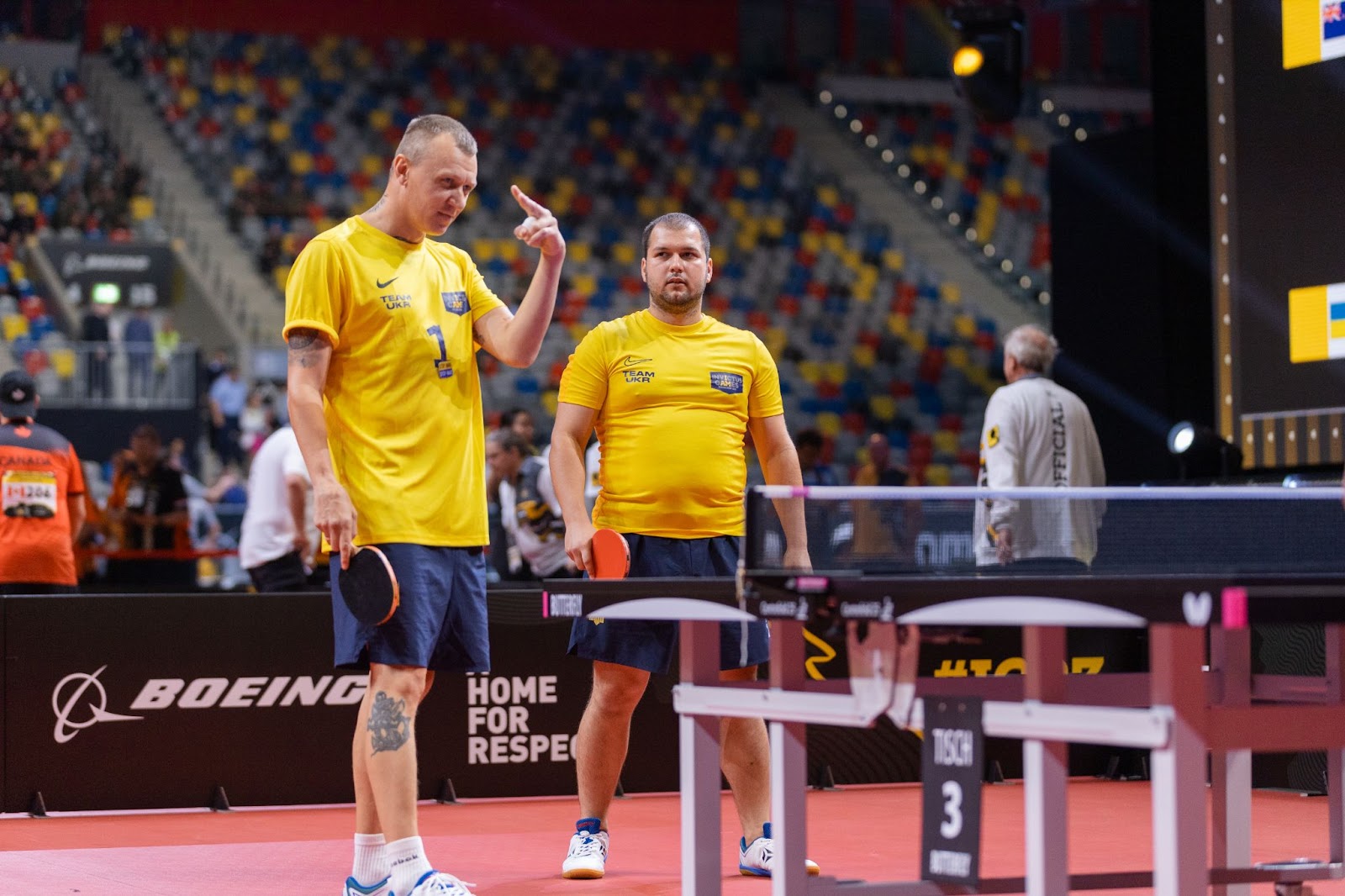
“At that moment, it felt like the end. I thought I was no longer useful, that I could do nothing,” Dmytro recalls.
In 2023, he passed the selection for Ukraine’s Invictus Games national team. The experience showed him that a community of “his own” exists — and that it can be healing. It is possible to continue being useful to others. One way is to represent Ukraine on the international sports stage.
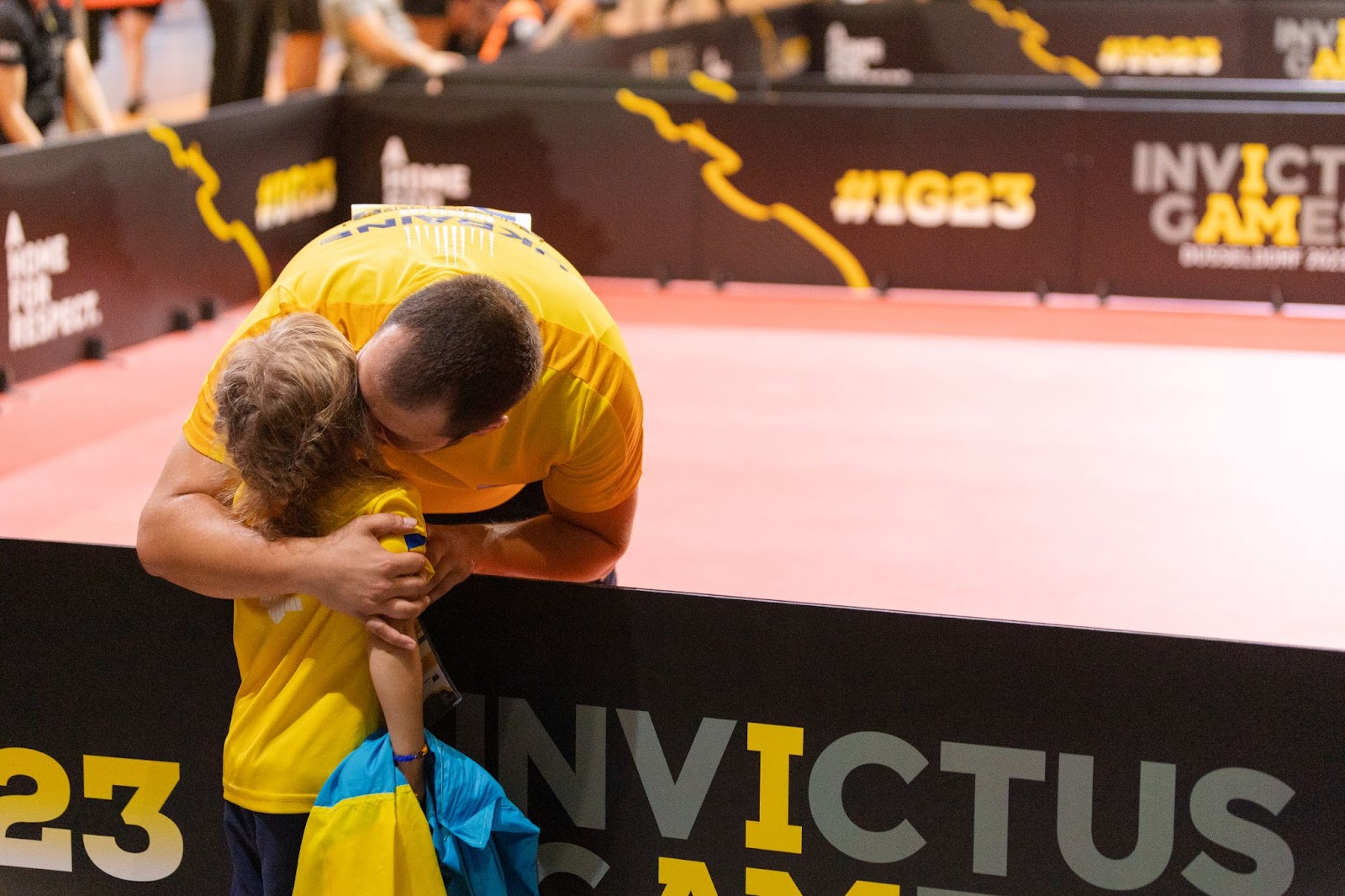
“The Invictus Games changed my worldview. I realized that I can work and help others, bring veterans together, and do sports together. I found myself among ‘my own people,’ where it always feels comfortable,” Dmytro says.
For the Center, Ukraine’s participation in the Invictus Games is not only about physical activity. It is a reminder to the world that the strength of a nation lies in its people.
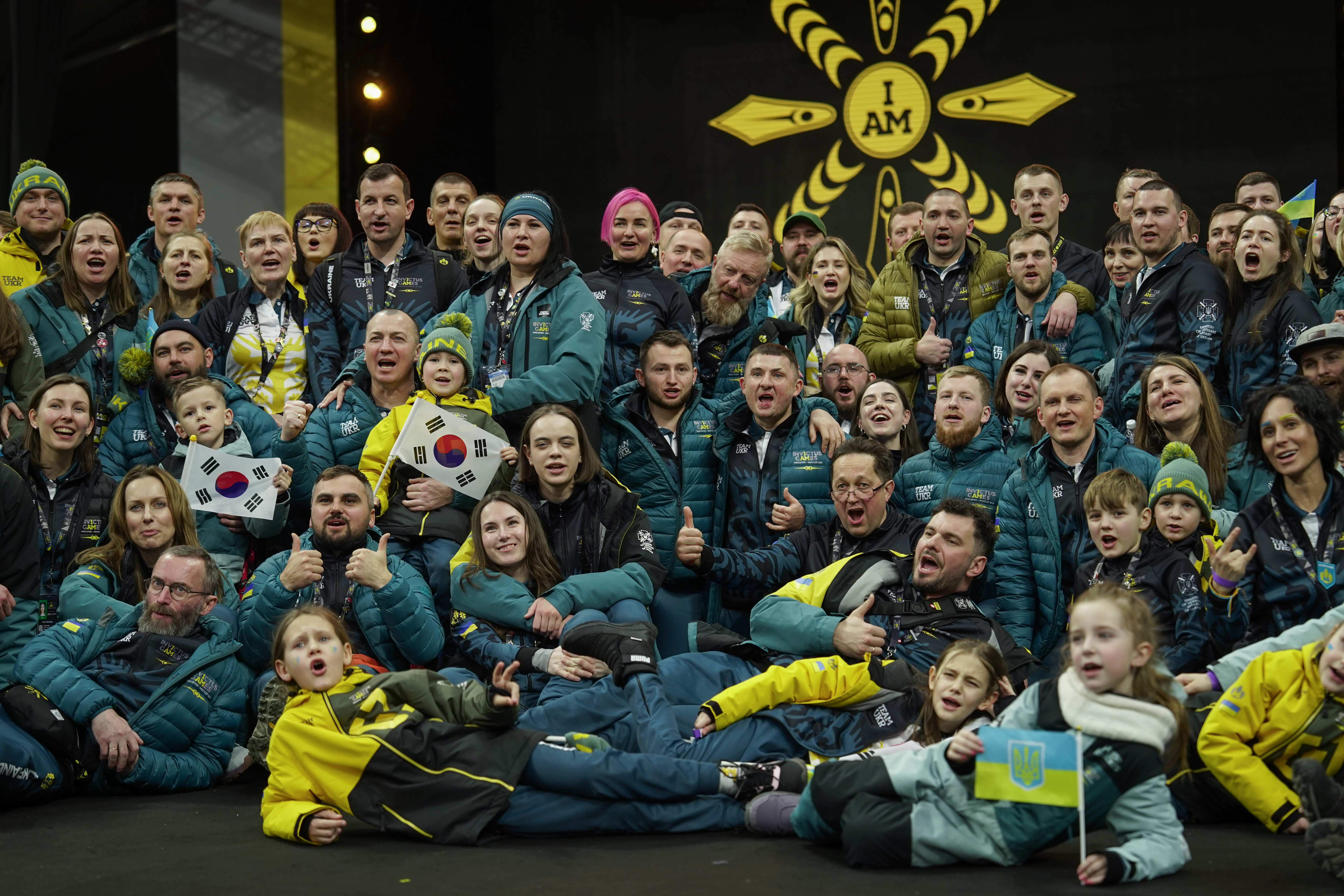
We strive to ensure that the state and society create conditions in which adaptive sport becomes a natural and accessible part of recovery for every veteran. Because the Invictus Games prove that victory is possible — even when life must be started anew.
Share