
Physically, Psychologically, and Beyond: How Adaptive Sports Improve Life After Injury
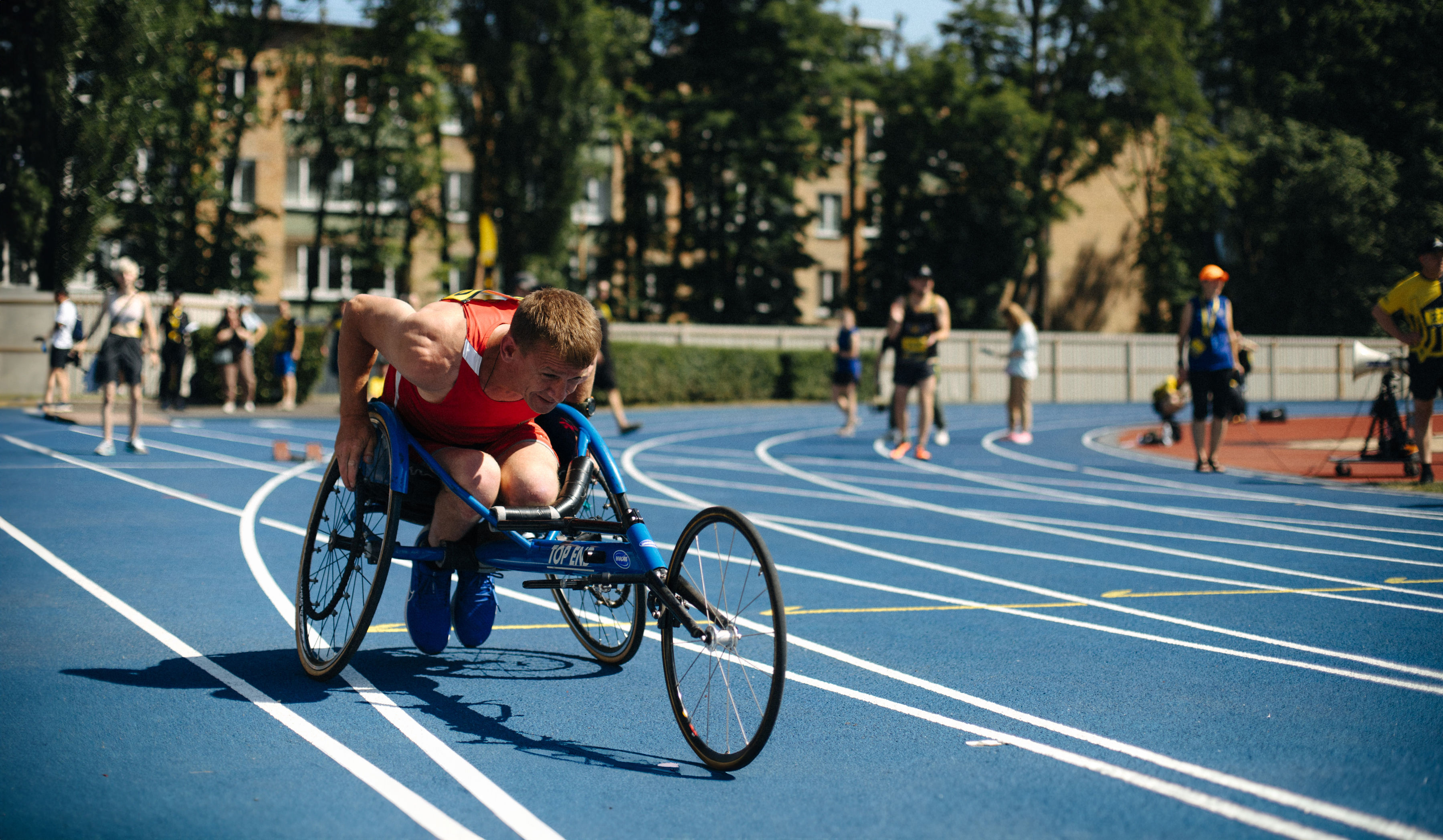
The Russian-Ukrainian war continues. It is a challenge for everyone—civilians and military alike. Especially for those veterans returning to civilian life after injuries, wounds, or illnesses. For them, a difficult path begins—and adaptive sports can play an important role along the way. Have you heard about it?
What do veterans do after returning home? After an injury, a long and often exhausting process begins with the Military Medical Commission (VLC). Following this is rehabilitation, which can take two forms depending on the veteran’s health. The first scenario involves exercises and procedures allowing a return to active duty. The second scenario is longer and may require complex surgeries, including amputations or brain and spinal injuries. Most veterans in this scenario do not return to the front lines, though there are exceptions. Detailed insights on life after returning from war while it is still ongoing can be found in the Veteran’s Path study by Veteran Hub.
Once discharged from the hospital or rehabilitation center, veterans can take care of themselves and incorporate new activities into their routines. Wounds heal, the body regains function. This is the ideal time to start the next stage: recovery. Adaptive sports are one of the key methods for this process.
What is adaptive sports?
Adaptive sports are recreational or competitive sports for veterans with injuries, wounds, or illnesses. Almost any sport can be adapted: from wheelchair basketball to snowboarding. Physical activity is a tool to help veterans regain confidence, accept their new bodies, and rediscover the joy of movement.
Beyond visible injuries, invisible ones exist too, such as psychological trauma or concussion-related issues. People with these conditions require specific conditions for training. Adaptive sports aim to create these conditions by minimizing triggers and ensuring a safe environment for participants. Attention must be paid to every detail: sudden noises, surprises, bright lights, and the number of people nearby.
Recovery through adaptive sports is a comprehensive process. Physical exercises and a location alone are not enough. Its quality depends on competent trainers and their assistants. A veteran does not come merely to learn how to hold a racket correctly—they need empathy, support, absence of pity, and sufficient motivation. Without professional knowledge, it is very easy to do harm.
What does adaptive sports look like?
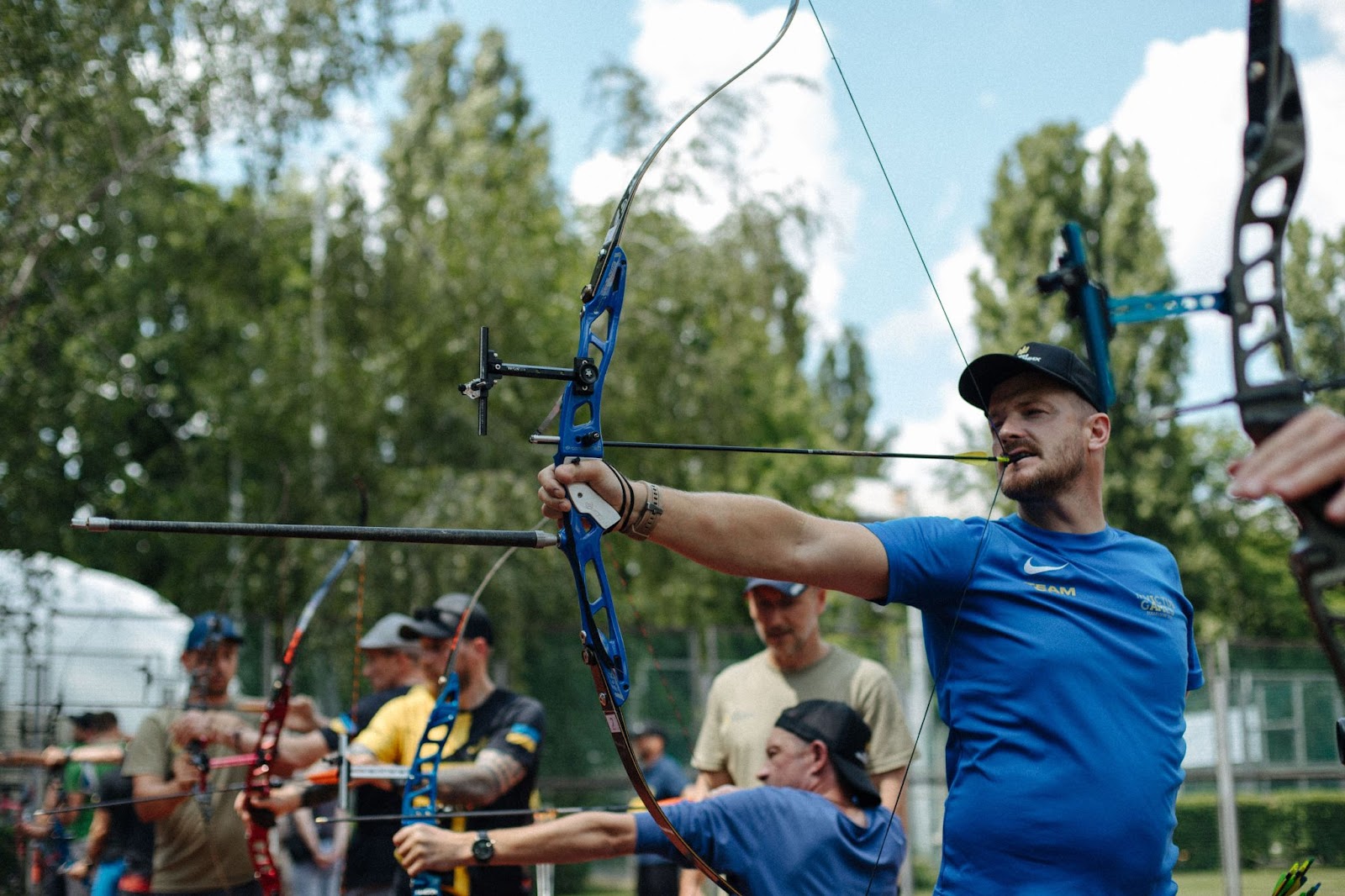
One form of adaptive sport is archery. In its “classic” version, the arrow is drawn by hand. In adaptive archery, people with one or both arm amputations can participate, using their teeth, prosthetics, hooks, or even their legs to draw the arrow.
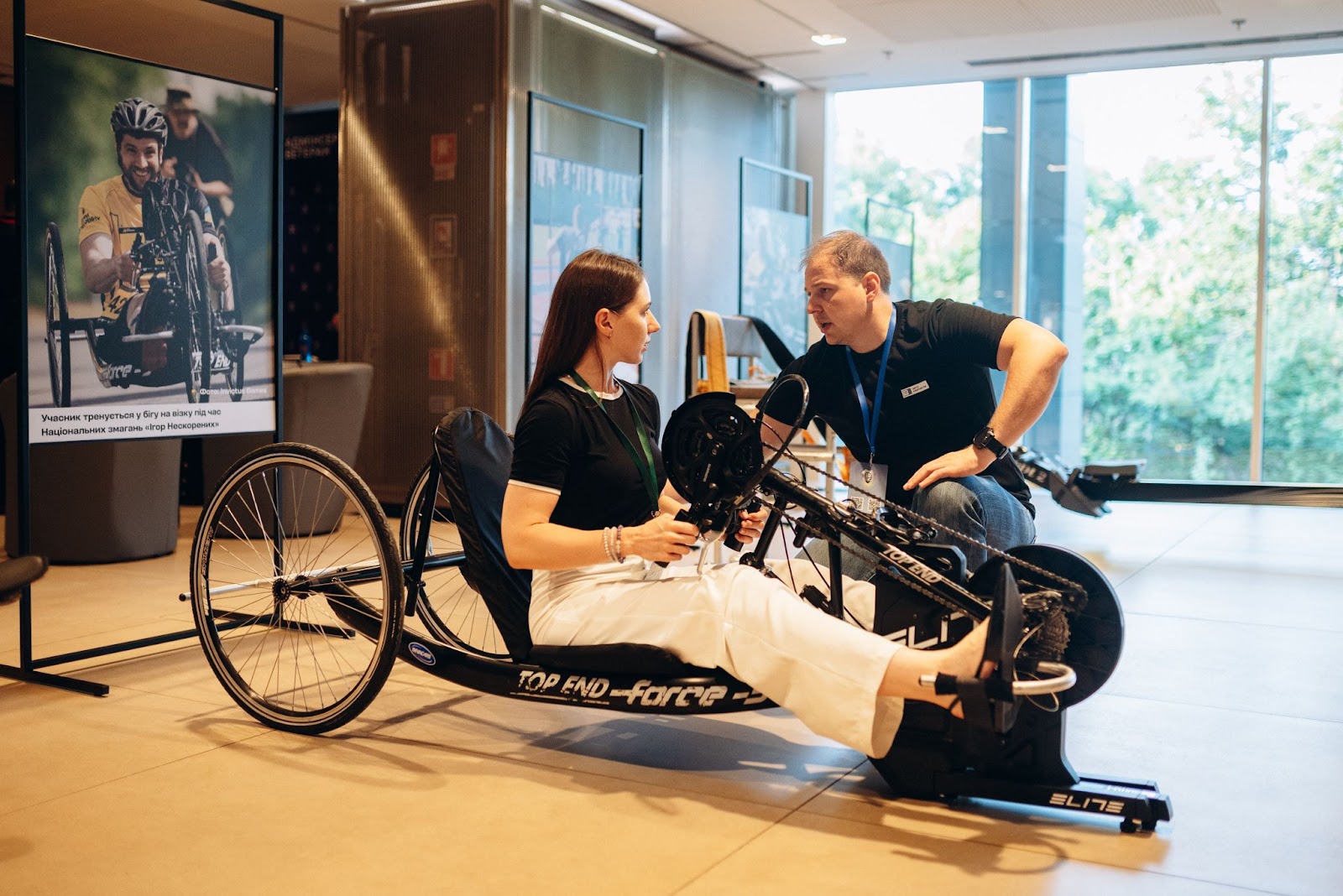
Adaptive cycling is possible with handbikes—three-wheeled bicycles operated by hand while in a semi-reclined position—allowing veterans with leg amputations, spinal injuries, or vestibular disorders to participate.
Adaptive sports can also be team-based, such as sitting volleyball, wheelchair basketball, or rugby. For several years, the CBA Initiatives Center has been a partner of the Invictus Games, an international sporting event for veterans, including active-duty personnel. Arsen Riaboshapko, a participant in this year’s Ukrainian team, shares about team sports:
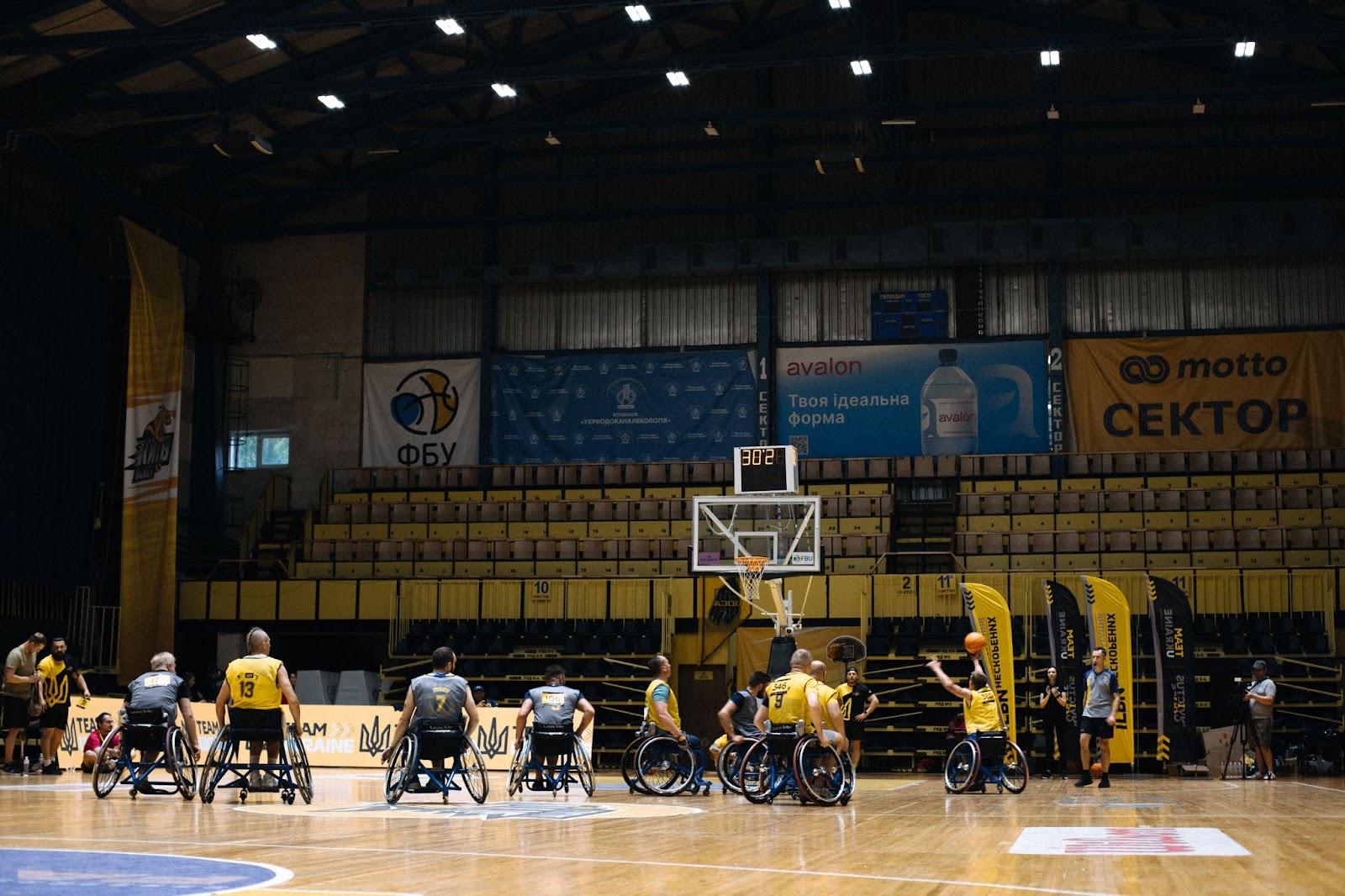
"I was drawn to team sports because you are responsible not just for your own results, but also for your teammates. When the team succeeds, it inspires me and gives me confidence. This confidence helps me achieve other goals in my life."
Dmytro’s story: perseverance and adaptive sports
Adaptive sports offer a community that unites people with similar experiences and helps overcome the consequences of visible and invisible injuries. Veterans motivate and support each other like no one else. Shared past experiences create bonds and work as a powerful remedy.
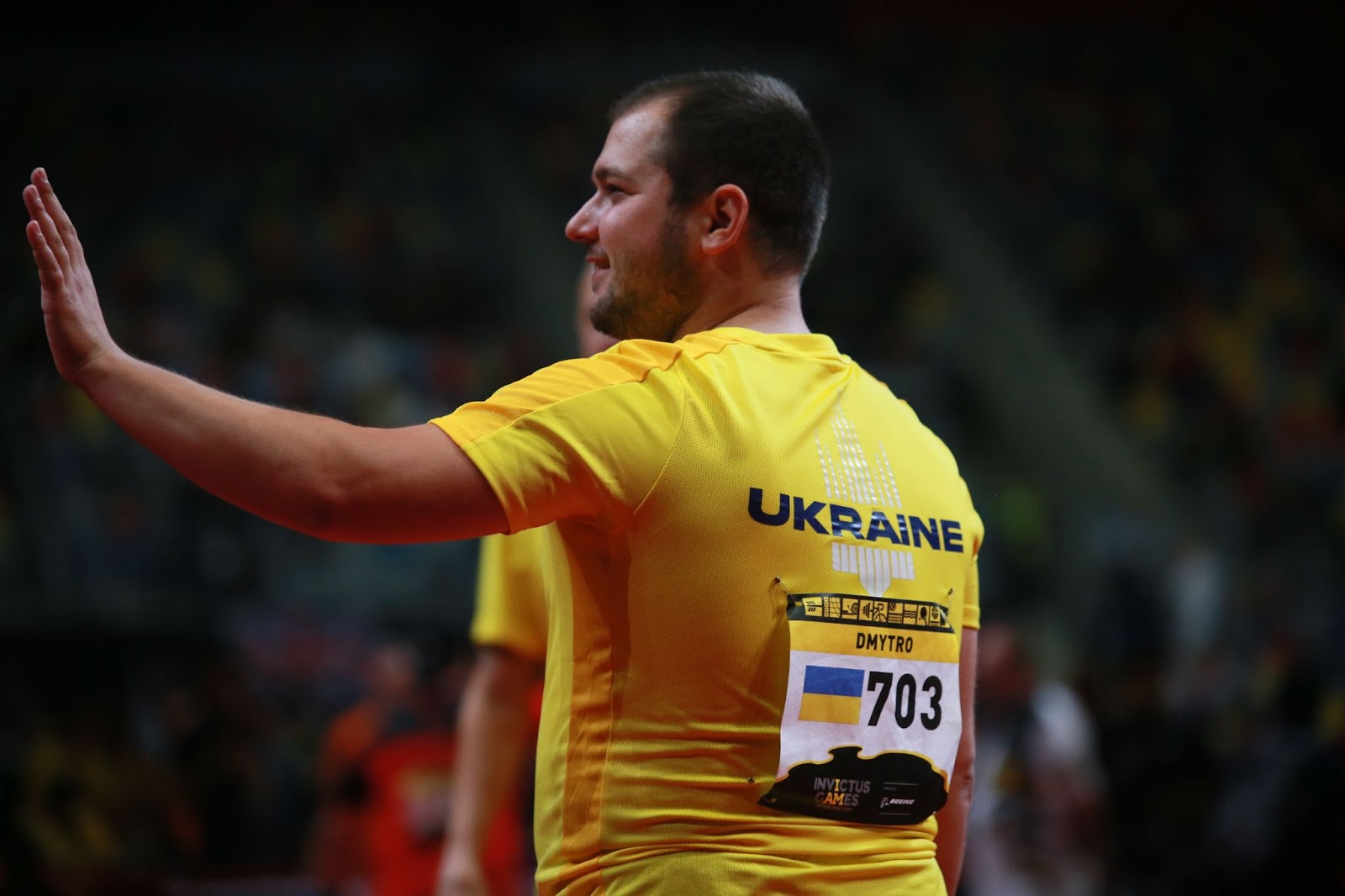
Dmytro Kozak from Lviv, 28, was already socially aware during the Revolution of Dignity. At 17, he regularly traveled to Kyiv for protests. When initial efforts seemed futile, he persisted and joined the front-line resistance. During the Maidan, Dmytro suffered a concussion, damaging his respiratory system and spine, and was later treated in Lviv and abroad. He received veteran status for his involvement.
The first three years after his injury were psychologically challenging. Memories of the Revolution triggered emotional pain. Participation in table tennis competitions and other adaptive sports helped him cope with intrusive thoughts.
In February 2022, Dmytro joined the National Guard, serving in hot and difficult zones, and was injured near Vuhledar. Rehabilitation and recovery followed.
"At that moment, it felt like it was the end. I was no longer useful, I couldn’t do anything," he recalls.
In 2023, he was selected for the Ukrainian Invictus Games team. This experience showed him the healing power of community and how one can continue contributing by representing Ukraine internationally.
"The Invictus Games broadened my worldview. I realized I could work and help others, unite veterans, and engage in sports together. I found a community where I always feel at home!"
Why analytics matter Analysts at the CBA Initiatives Center are conducting comprehensive sociological research on the impact of adaptive sports. The study supports practical work with data, addressing a gap in Ukraine. It’s not just about numbers or graphs—it helps design effective ways to support those who gave their time and health to defend the country.
Veterans’ perspectives from the study: "Sports are rehabilitation both physically and mentally. Thanks to training, and support from coaches and the team, I overcame depression. Sports gave me the chance to socialize again, making life brighter."
"Sports are the most accessible way to rehabilitate, support, and restore health after injury. They help unite the team and set goals to achieve milestones."
"Sports are essential and important in daily life. They prove your abilities and set an example for others who lost limbs. Disability is not a sentence."
"Sports are my top priority. I always engage in them when possible—they help physically and mentally. Physical preparation affects your chance to survive and overcome challenges in combat."
For five years, the veteran division of the CBA Initiatives Center, led by veteran Taras Kovalik, has been building an ecosystem for veteran recovery through adaptive sports in Ukraine.
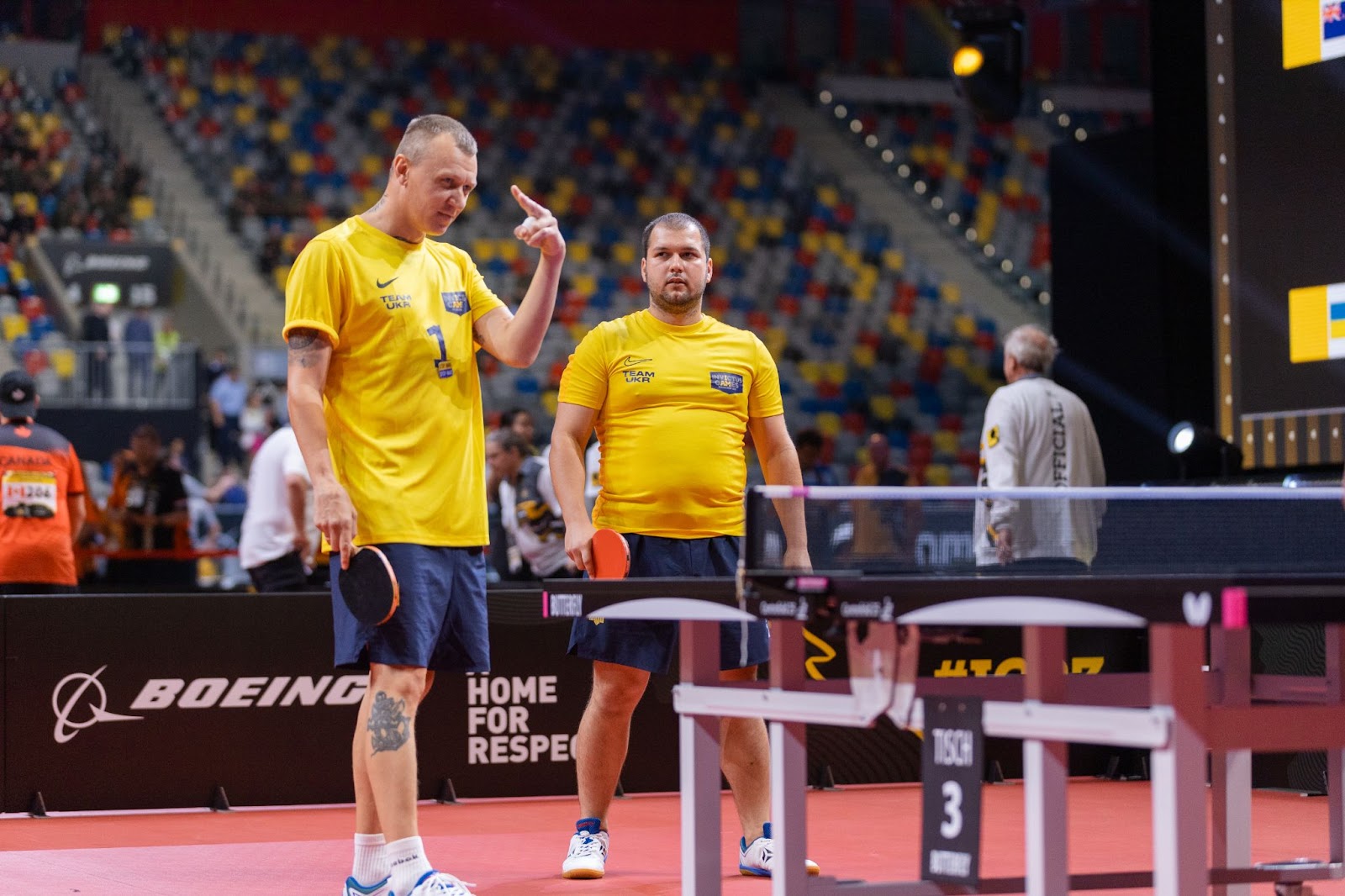
"Our experience shows that adaptive sports restore physical and mental health and reduce societal stigma. They also provide a sense of support, self-belief, and capability," says Taras.
Society’s role in developing adaptive sports
The state is not the only actor responsible for quality veteran recovery through adaptive sports. Society’s readiness to participate in volunteer initiatives, engage with veterans, and confront reality is also vital.
The CBA Initiatives Center team offers practical advice for those ready to engage with veterans through adaptive sports:
- Participate in events where injured veterans are speakers. Ask questions respectfully, even if they feel uncomfortable. Attend and engage in adaptive sports competitions.
- Read works by Sebastian Junger to better understand veterans’ experiences, including Tribe and Freedom. For visual learners, watch Netflix’s documentary series Hearts of the Unbroken, featuring Ukrainian paramedic Yuliia Paievska (“Taira”).
- Donate to initiatives supporting veteran recovery through sports.
Beyond advice, it’s a mindset: do not fear engaging with veterans. Be empathetic and attentive, forget pity, and focus on the person, not the injury. This approach makes rehabilitation and recovery far more effective.
Share