
Adaptive Sports for Veterans: Why It Should Be Developed and What Holds It Back
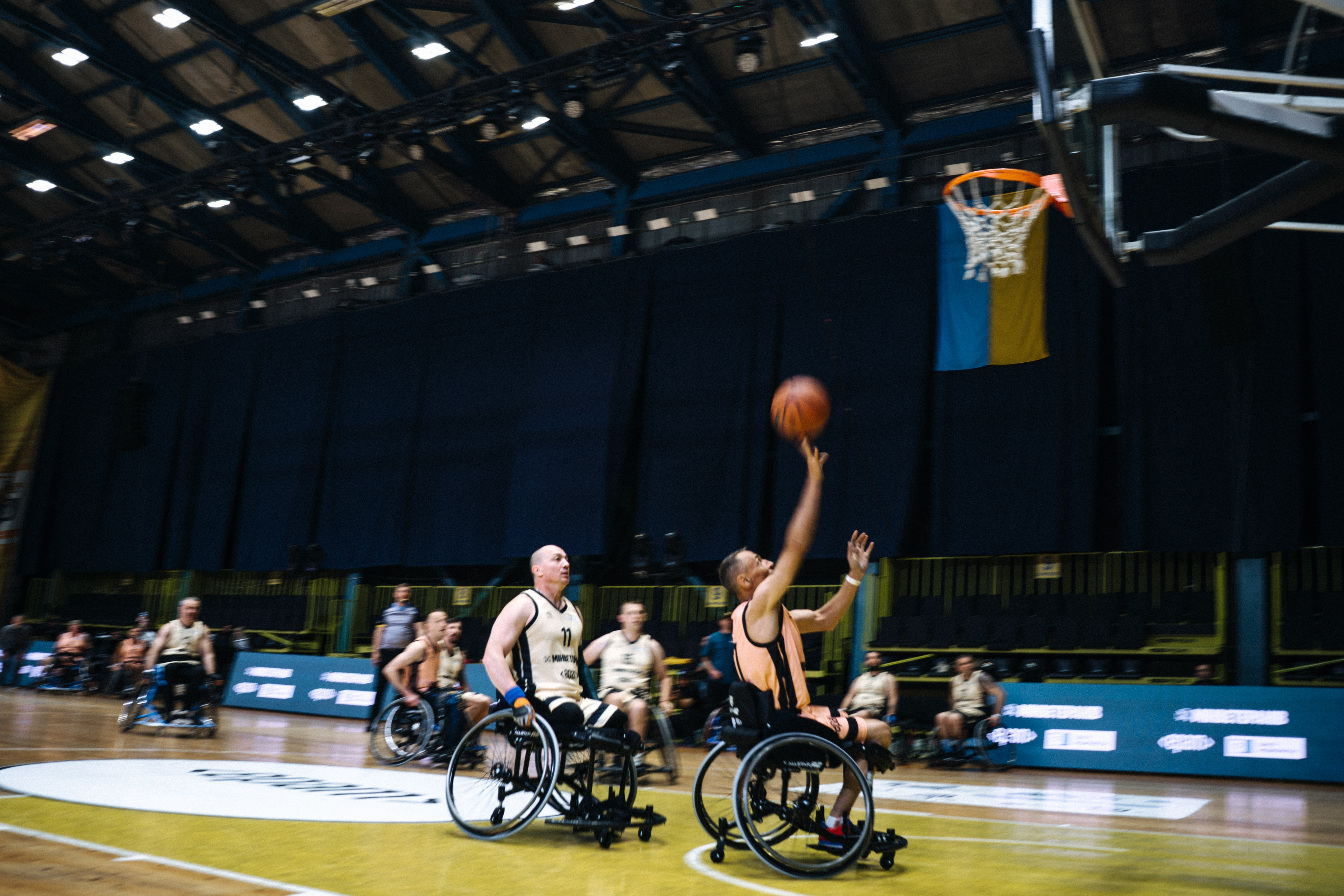
Adaptive sports are inclusive physical activities tailored to the specific needs of the participants. Any sport can be adapted to a certain extent, modifying its rules to fit an individual’s abilities. This approach is particularly valuable and relevant for service members who have sustained injuries, trauma, or illnesses—visible or invisible—while defending their country. Physical activity allows them to stay active, enjoy movement, regain confidence in their bodies, and supports psychological rehabilitation.
Why Adaptive Sports Matter for Veterans
Adaptive sports are an incredibly effective tool for maintaining health. Military service places immense physical demands on the body, far exceeding those in civilian life. Survival requires maximum effort, and prolonged stress negatively affects the nervous system. Sports and physical activity help service members maintain their health, stay in shape, remain productive and effective, and ultimately feel happier.
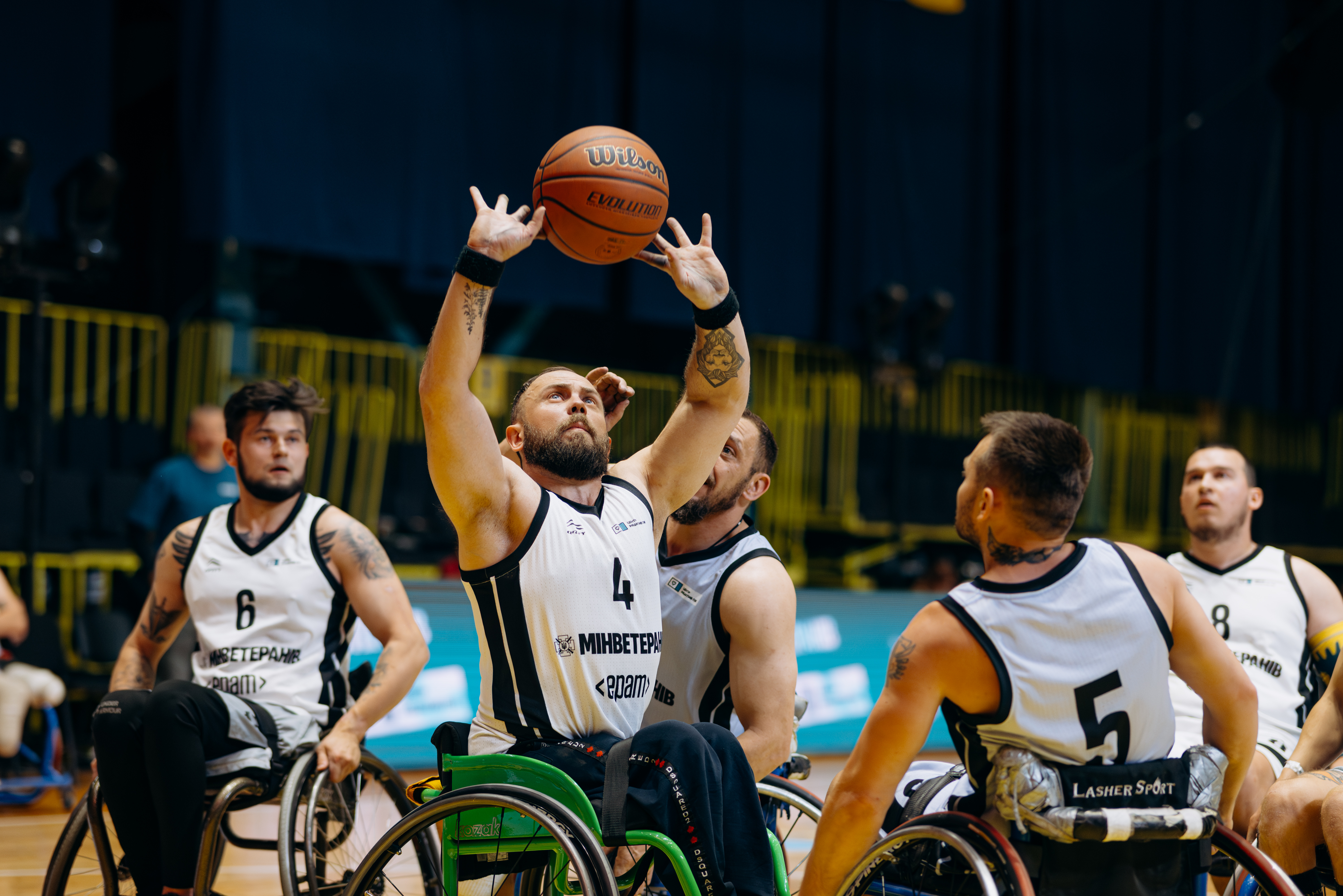
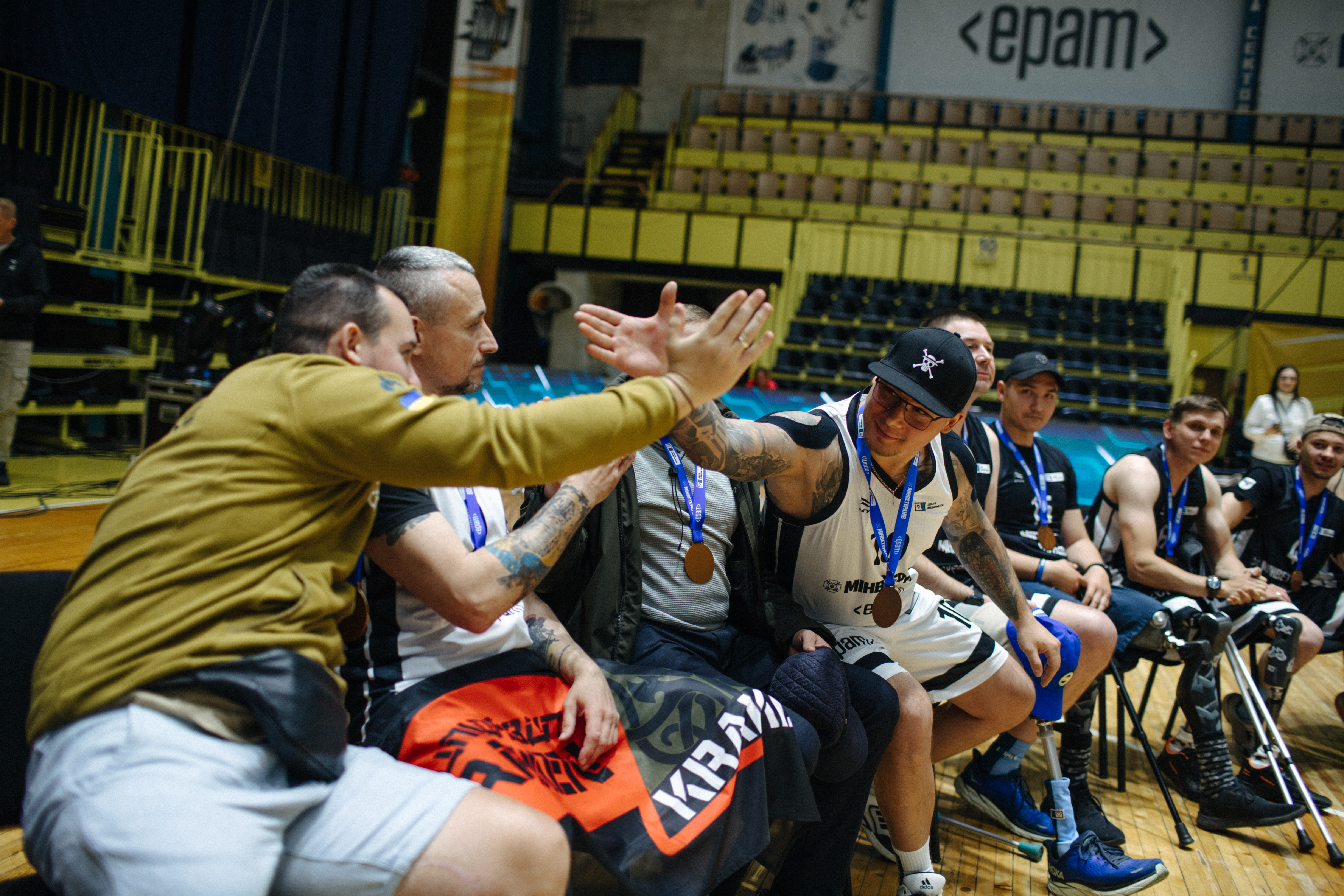
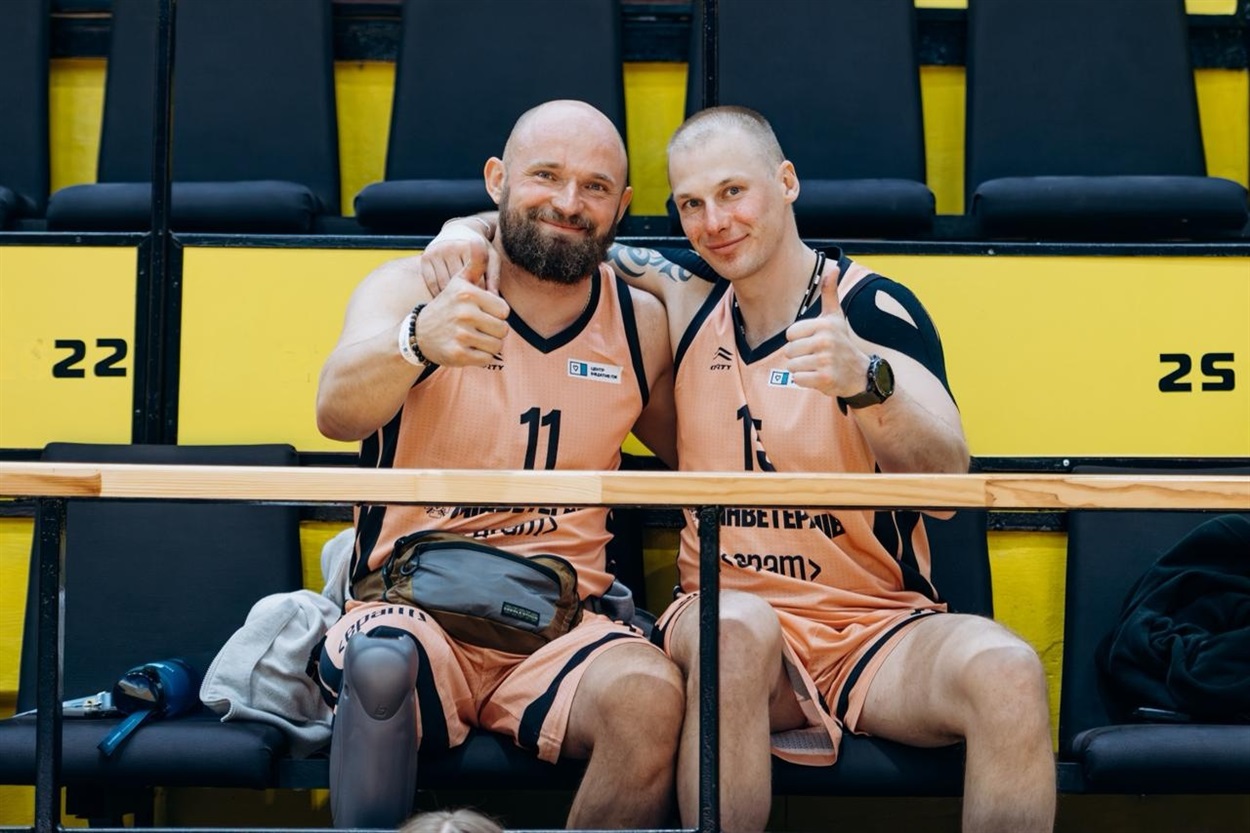
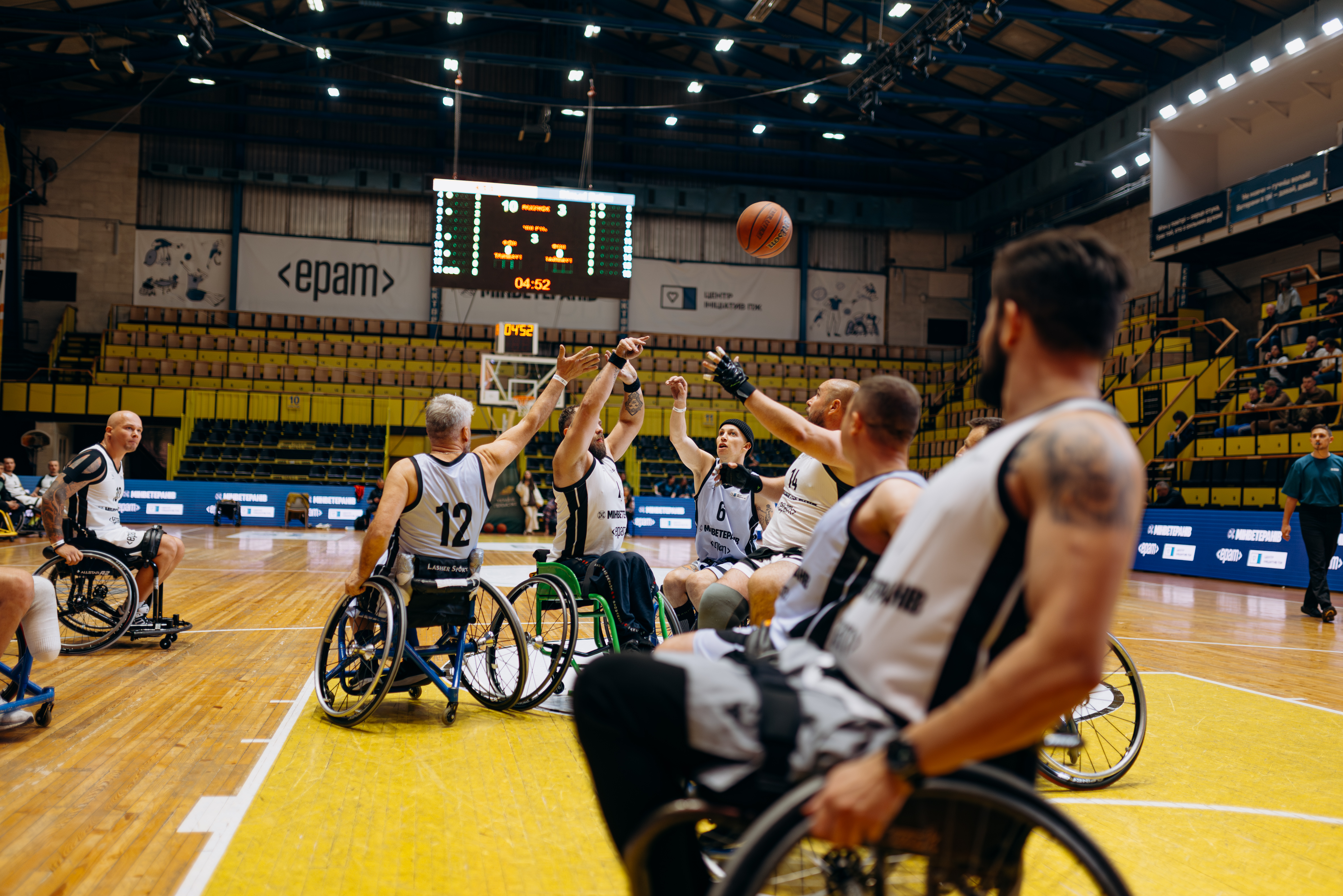
Those who engage in regular activity often experience a personal transformation, as daily physical challenges become small victories. Adaptive sports are a powerful means to overcome depression and a victim mindset. These consistent small achievements build inner confidence and a sense of capability. Veterans report feeling better in their bodies, becoming more active, capable, and—in a healthy sense—more competitive.
Sports also provide a platform to simulate social interactions, where rules are clear and performance is the primary measure of success. They create conditions for veterans to connect socially, whether through different sports, competitions, events, or training sessions. This fosters mutual support, camaraderie, and a culture of helping others when challenges arise—a culture of solidarity and partnership.
Barriers to Participation in Adaptive Sports
Adaptive sports in Ukraine are still in the early stages of development, and many veterans do not participate. Key barriers include:
- Lack of prior experience – Many veterans lack physical or psychological familiarity with sports. In Ukrainian society, there is no strong culture of regular physical activity. People who have not engaged in sports before injury may not understand how it can transform life quality, and explaining this can be challenging. For veterans, overcoming this barrier is even more difficult. Those who were active before their injury integrate into adaptive sports more easily.
- Limited infrastructure – Training facilities are not available everywhere, especially in smaller communities. Many veterans lack transportation to reach training centers. Available facilities often are not accessible to people with complex functional limitations, injuries, or illnesses. Incomplete inclusivity prevents veterans with disabilities from participating freely.
- Social and psychological factors – Veterans may struggle to find a welcoming training environment, and many social spaces remain unfriendly. Simple gestures—such as observing a moment of silence at 9 a.m.—signal respect and remembrance for those who have sacrificed for Ukraine, helping create a friendly space. Conversely, exposure to Russian music or symbols can make spaces feel hostile, undermining inclusivity and psychological comfort.
Making Adaptive Sports More Accessible
The main challenge in developing adaptive sports in Ukraine is the lack of specialists in cities, towns, and villages who can serve as role models and guides for veterans toward active lifestyles. Currently, most veterans are individuals with injuries, trauma, or illness. Adaptive sports must focus on rehabilitation, which makes experienced professionals crucial. They are needed to motivate veterans to attend training, continue regular practice, and sustain long-term engagement.
Adaptive sports also provide a space for veterans to discover new aspects of themselves and pursue new careers. Veterans can understand the needs of their peers and become experts in accessible, inclusive, adaptive sports. They can learn, practice, and contribute to building a culture of adaptive movement and the infrastructure needed to sustain it.
Author: Tetyana Logvynenko
Share