
How Rehabilitation Centers Become a Bridge Between Veterans and Adaptive Sports Findings from the new study by the CBA Initiatives Center

“Barriers and Prospects for Scaling Recovery Through Adaptive Sports: The Perspective of Rehabilitation Institutions” is the latest study by the Come Back Alive Center for Initiatives. It serves as a logical continuation of the previous research, “The Joy of Movement”, which explored how adaptive sports contribute to the recovery of wounded veterans.
The study was authored by Yaroslava Bratus, Senior Analyst at the CBA Initiatives Center; Hanna Samchuk, Analyst at the Center; and Yuliia Vasylenko, an invited analyst.
The research team set out to identify key barriers and opportunities for scaling rehabilitation through adaptive sports within rehabilitation institutions. These institutions, under the supervision of professionals, often provide the safest entry point into adaptive sports.
“The most common entry point for a person to discover and try adaptive sports is a rehabilitation facility,” explains Yaroslava Bratus, Senior Analyst at the Center for Initiatives and co-author of the study. “Here, people are under the supervision of rehabilitation specialists. In some centers, recovery through adaptive sports is already actively developing.
We wanted to assess how relevant and realistic it would be to scale such recovery through rehabilitation institutions. We know that many people first got involved in adaptive sports precisely during their rehabilitation process.”

To capture a broad and realistic picture, the team examined facilities that differed in geography, capacity, and resources.
“We took a comprehensive approach — geographically and institutionally,” says Hanna Samchuk, Analyst at the Center for Initiatives and co-author of the study. “We included institutions of different levels and types — both private and closed military facilities, from individual departments to full-scale rehabilitation centers.
Their circumstances and needs vary greatly: some lack space for adaptive sports, others face bureaucratic hurdles, and some can’t organize outdoor activities due to constant shelling. This diversity helped us gather a wide spectrum of barriers and systematically present them in the study.”
Based on these findings, the team developed several key recommendations:
- Building capacity within institutions, including appointing a dedicated person responsible for integrating adaptive physical activity into rehabilitation programs.
- Developing community infrastructure to ensure continuity after rehabilitation. Even if veterans engage in adaptive sports while in a rehab facility, they often return to communities without the infrastructure, equipment, or social support to continue. As a result, the short-term recovery effect may fade over time.
- Promoting adaptive sports through rehabilitation centers and physical therapists. However, this requires expanding the knowledge base of physical therapists regarding adaptive sports and their benefits.
“We spoke extensively with physical therapists about their perceptions and concerns regarding adaptive sports,” adds Yaroslava Bratus. “These insights can inform future educational programs and initiatives. It’s vital to raise awareness of adaptive sports within the professional community.”
Hanna Samchuk emphasizes: “This is the first study to focus specifically on the perspectives of physical therapists and members of multidisciplinary teams in rehabilitation facilities regarding adaptive sports. While our previous study explored the experiences of patients themselves, this time we analyzed the views of professionals — to validate our hypotheses about the benefits of adaptive sports from their standpoint.
In ‘The Joy of Movement,’ we found that many patients begin engaging in adaptive sports or additional physical activities as soon as they are physically able, sometimes even from their hospital beds. Physical therapists or members of multidisciplinary teams can serve as a bridge — guiding patients safely into the world of adaptive sports under professional supervision.”
The CBA Initiatives Center began researching adaptive sports in 2023. The research team developed a methodology to assess the impact of adaptive sports on the well-being and recovery of veterans.
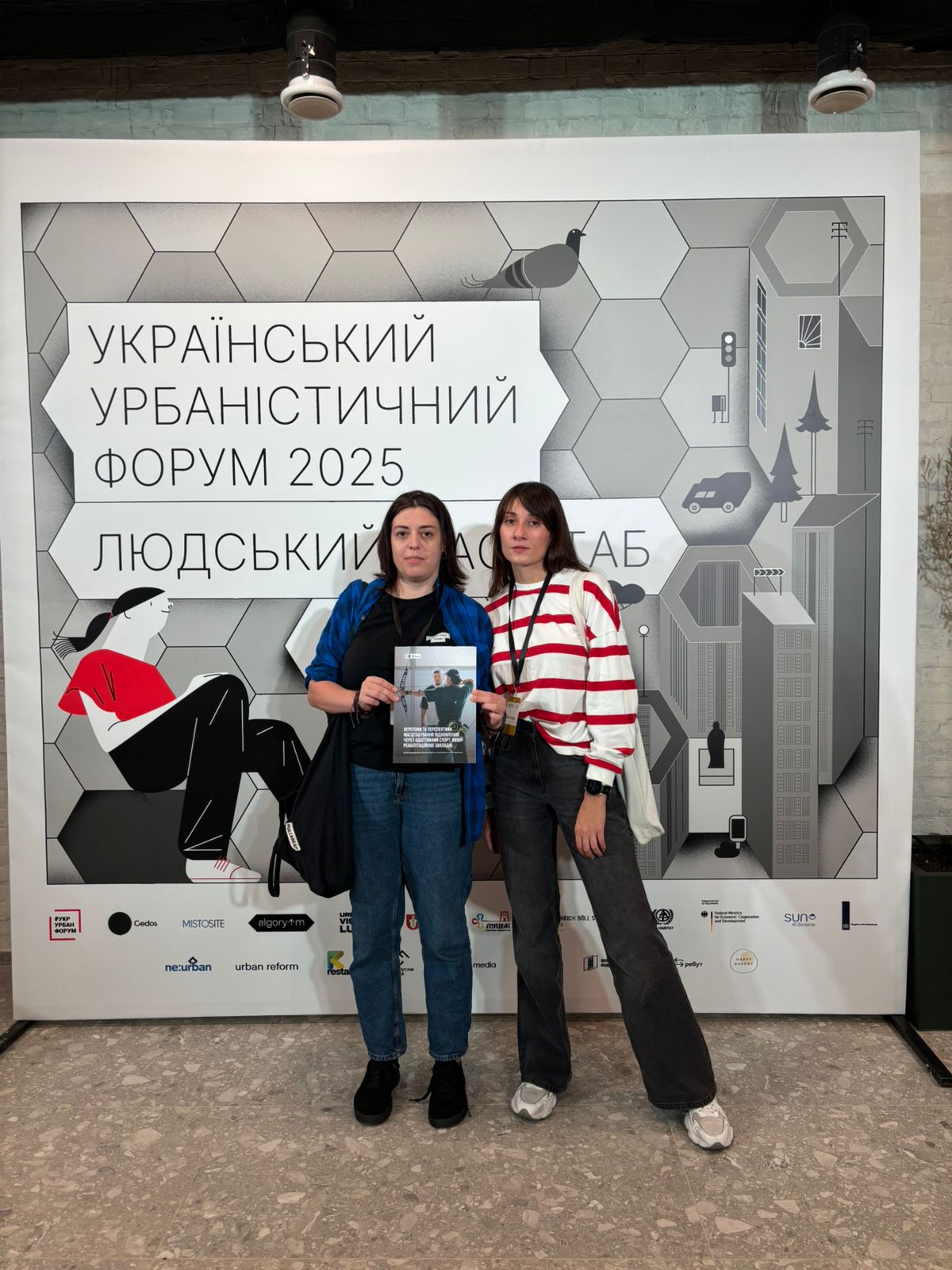
In 2024, they published “The Joy of Movement” — the first Ukrainian study on this topic. Analysts from the Center have since conducted screenings among participants of national adaptive sports competitions organized by the Center’s Veteran Department — covering basketball, volleyball, and rugby — to evaluate how these events affect the well-being and recovery of veterans.
Share