
Recommendations for Scaling Adaptive Sports for Veterans in Local Communities
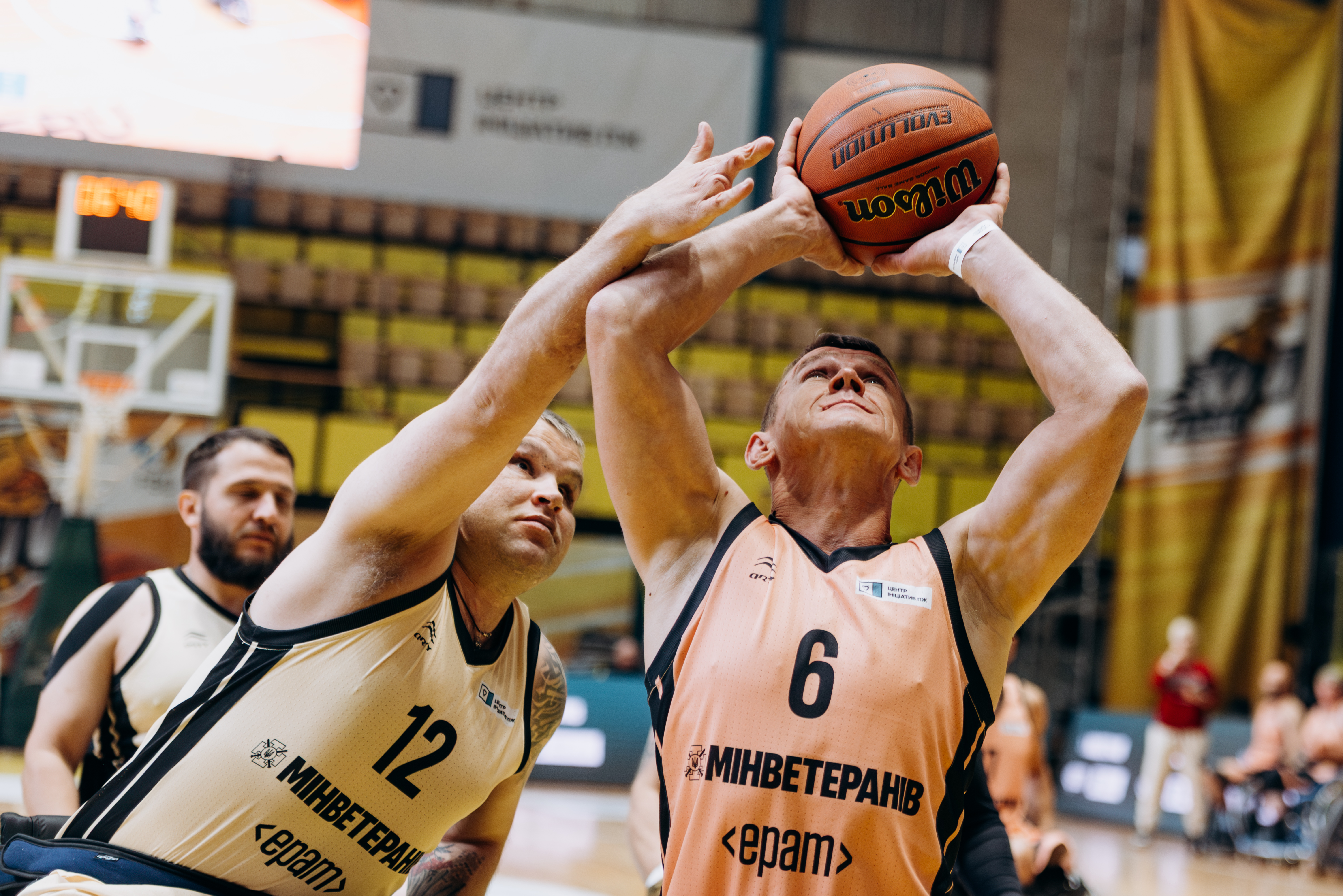
Adaptive sports are a powerful tool for the physical and psychological recovery of veterans after injuries, wounds, or illnesses sustained during the war. Opportunities to engage in sports should be accessible not only in large cities but also in smaller communities — where most veterans live. Creating conditions for sports activities improves health, reduces anxiety and depression, helps rebuild confidence, and strengthens social support networks.
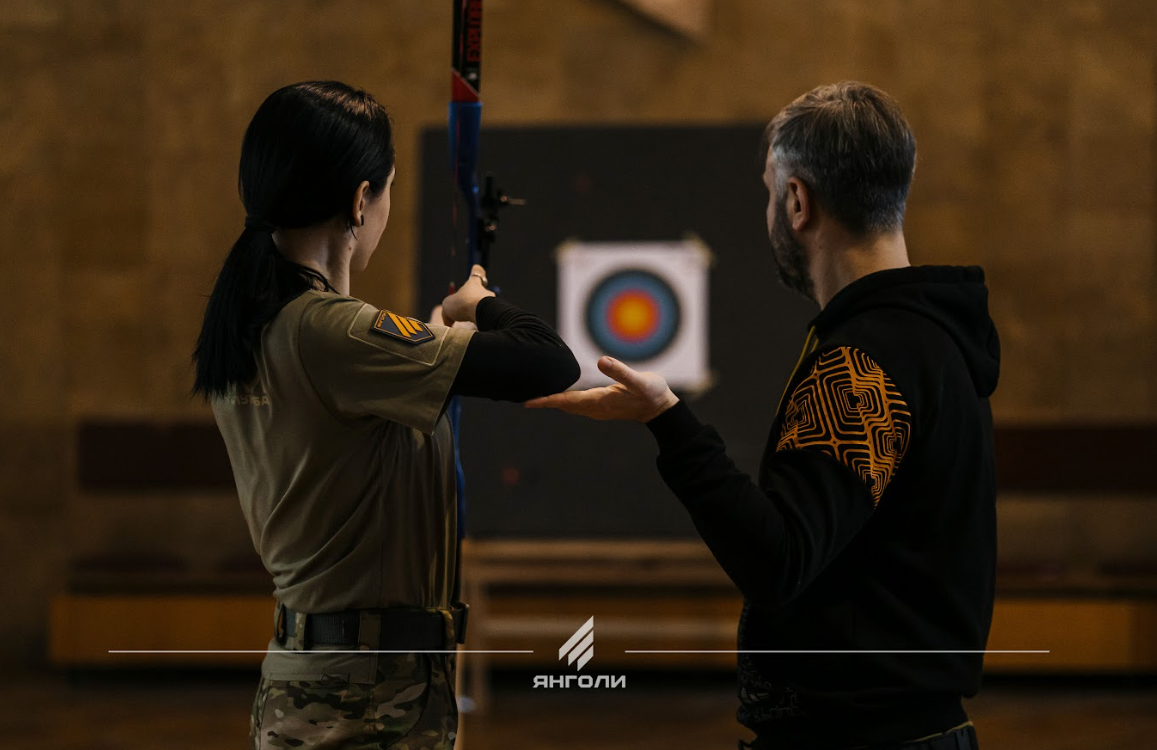
Over nine months, specialists from the Veteran Department of the CBA Initiatives Center, as part of the project “Adaptive Sports for Veterans: A Regional Model,” visited medical institutions, sports halls, and athletic clubs, and met with representatives of government and civil society in the Kyiv, Chernihiv, Zhytomyr, and Ivano-Frankivsk regions. Together with invited coaches, they also conducted 47 adaptive sports sessions — including archery, boccia, and table tennis — in hospitals across these regions. These field visits provided a deeper understanding of the needs, barriers, and opportunities for developing adaptive sports in local communities.
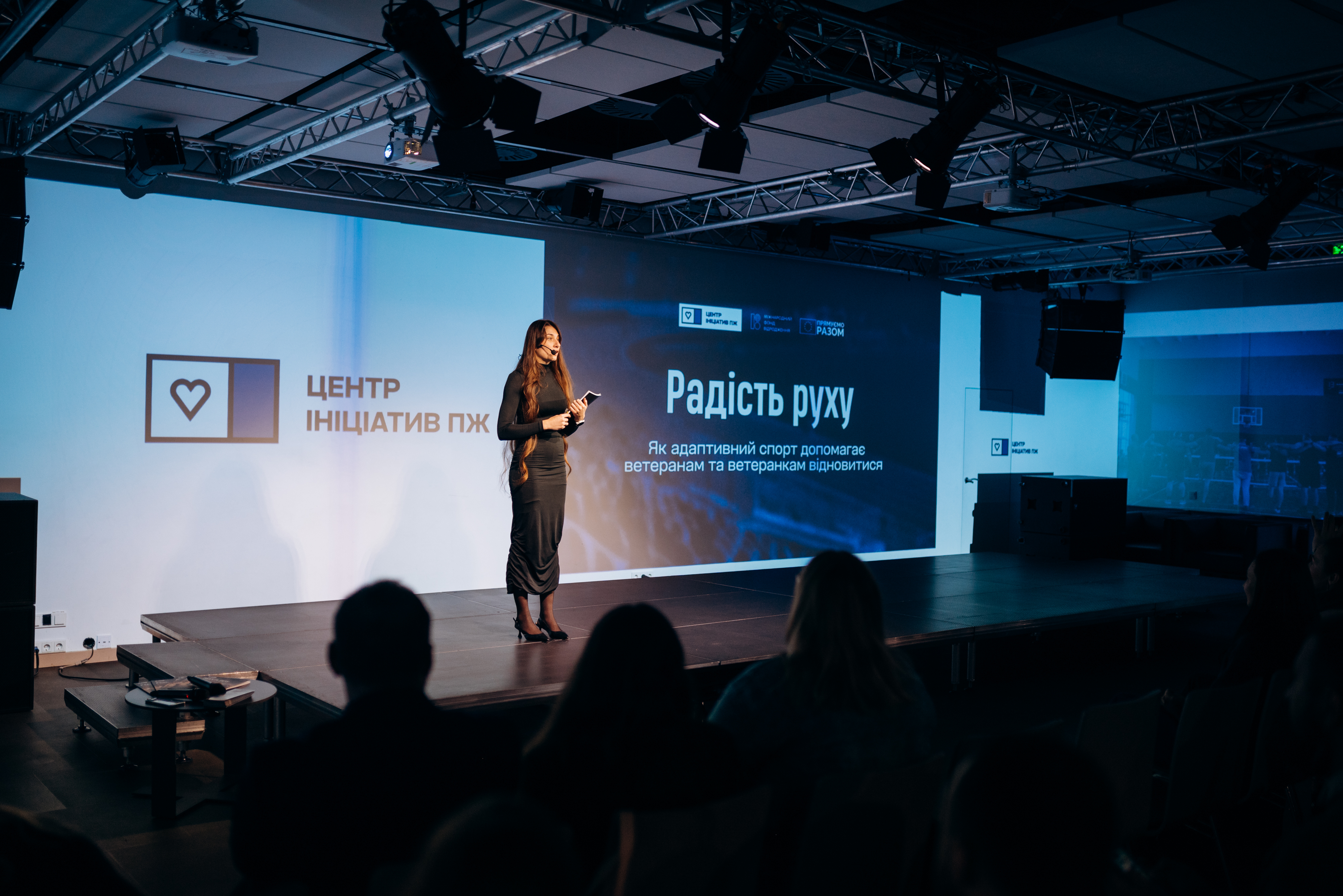
In January 2024, specialists from the Center presented a study titled “The Joy of Movement: How Adaptive Sports Help Veterans Recover.” The findings showed that sports significantly improve physical and psychological well-being, help veterans build social connections, develop new skills, and open career opportunities.
Yet, despite all benefits, adaptive sports remain underused due to several barriers:
- lack of a centralized information resource showing available opportunities in communities
- limited inclusive infrastructure and adaptive equipment
- insufficient number of trained coaches who understand veterans’ needs
Scaling up best practices and addressing these challenges will help expand access to sports-based recovery and improve veterancare across the country.
What an Effective Scaling Model Should Include
1. Training Coaches
Qualified coaches are crucial for safe and effective training. They must understand injuries, adapt exercises, and work confidently with adaptive equipment.
Key selection criteria:
- experience working with veterans or people with disabilities
- professional rehabilitation education or certifications
- ability to assess and prevent risks
- respectful communication and correct terminology
- skills working with adaptive equipment (e.g., sports wheelchairs)
- focus on well-being, not only competition
2. Developing Inclusive Infrastructure & Equipment
Most sports facilities in Ukraine remain inaccessible. Communities should follow the National Strategy for Creating a Barrier-Free Environment by 2030 when building or renovating sports facilities.
Upgrading accessibility does not always require expensive solutions—small, thoughtful improvements make a big difference. It is important to account for the needs of different types of injuries and levels of mobility, ensuring:
- spacious locker rooms and doorways
- accessible restrooms and showers
- barrier-free movement throughout the venue
Collaboration with NGOs and veteran experts during evaluation ensures practical, user-centered solutions.
Required adaptive equipment may include:
- handbikes and recumbents
- sports wheelchairs for rugby and basketball
- adapted platforms for archery, shot put, etc.
3. Expanding Information Access
Lack of information remains a major obstacle. The CBA Initiatives Center has already launched “Nashi Tut” (“Our People Here”)—a platform gathering information on veteran spaces and sports opportunities across Ukraine.
To increase engagement, communities should:
- partner with local NGOs, veteran hubs, sports clubs, hospitals
- involve youth and sports departments in promotion
- run outreach campaigns through social media, local media, and clinics
4. Building Veteran Communities
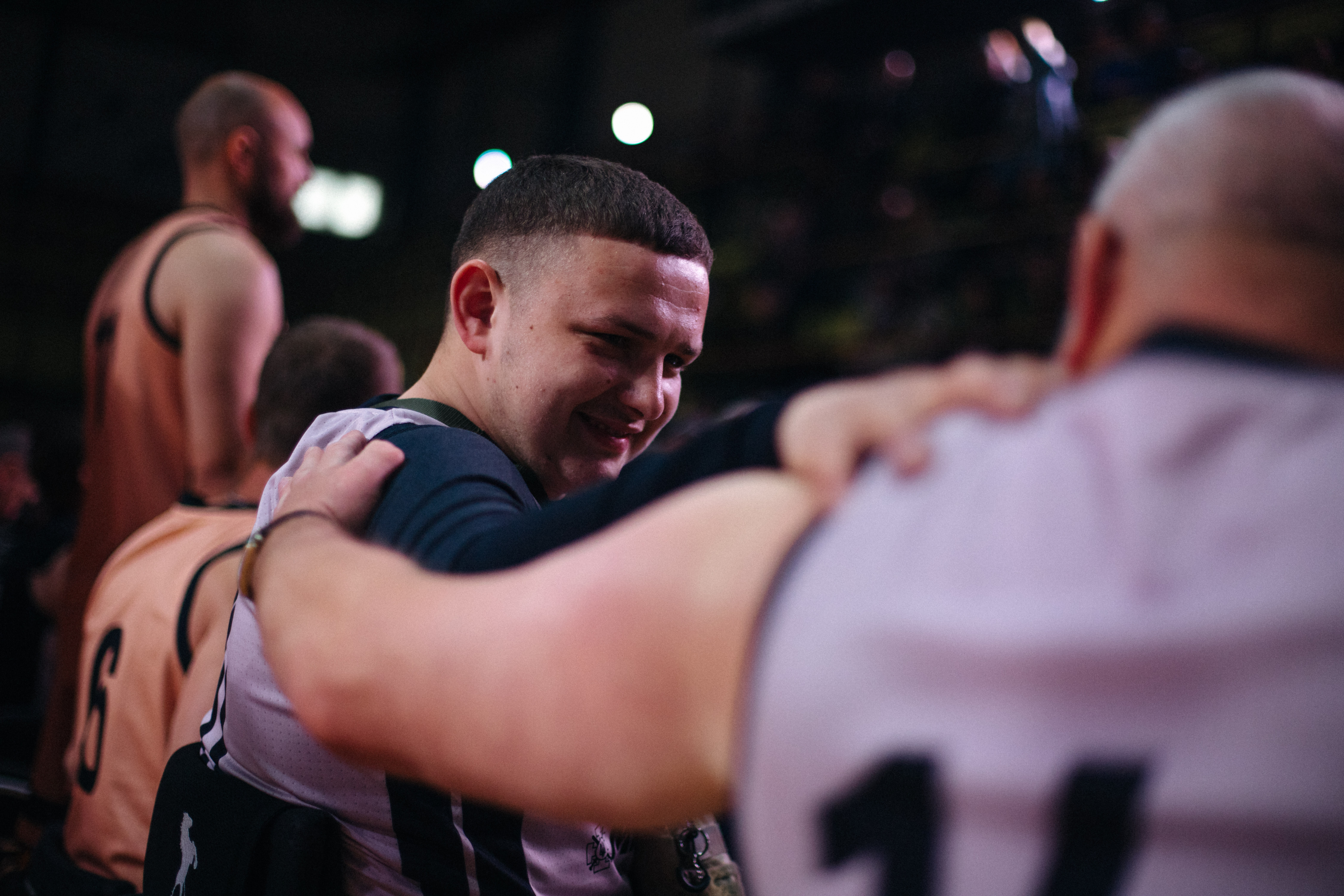
Group sports create support networks, reduce stigma, and improve motivation. Veteran communities can also influence local policy, advocating for accessibility and program expansion.
5. Sports in Medical Facilities
Introducing sports directly in hospitals encourages veterans to try recovery-oriented activities earlier.
Key steps:
- agreements with hospital leadership and rehab departments
- choosing accessible sports (archery, boccia, table tennis)
- ensuring regular schedule and professional support
- involving therapists, psychologists, social workers
- respecting confidentiality (photo/video only with consent)
Examples of Successful Local Practices
Ivano-Frankivsk — “Veterans & Civilians PETROS”
A shared space where veterans and civilians train and learn together. An archery school for veterans here has already produced graduates ready to teach in their communities — creating both recovery and employment opportunities.
Odesa — NGO “Free Warriors”
A veteran-founded organization offering sitting volleyball, wheelchair basketball, golf, swimming, and more. They also promote adaptive sports in hospitals and communities across the region.
Irpin Military Hospital & MIA Hospital Kyiv Sports activities are offered both on-site and off-site: adaptive sports training, cultural outings, meetings with public figures, and creative workshops — helping veterans see new paths to recovery while still undergoing treatment.
Conclusions & Recommendations
Expanding adaptive sports in communities will bring long-term positive results:
- Better infrastructure — barrier-free spaces for all residents
- Higher professional capacity — more coaches trained to work with veterans;
- Stronger inclusion — reduced stigma and better understanding of veterans’ needs;
- Healthier communities overall — adaptive sport becomes a powerful recovery tool not only for veterans but for society as a whole.
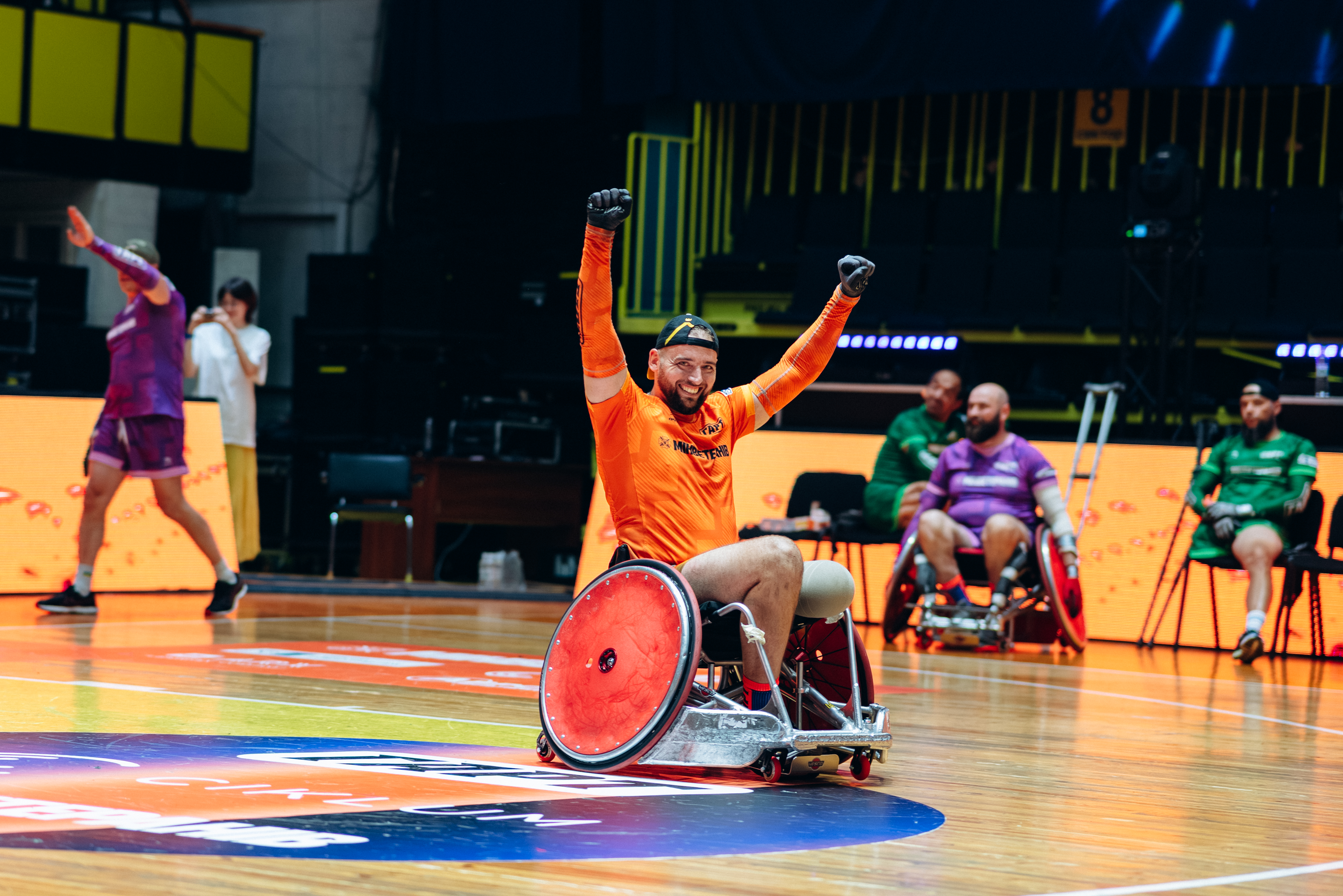
Adaptive sports are not only about rehabilitation. They build strong, united, and inclusive communities — where every veteran has access to safe, meaningful recovery through movement.
Share