
Recovery Through Movement: How Adaptive Sports Are Becoming Part of the Veteran Community
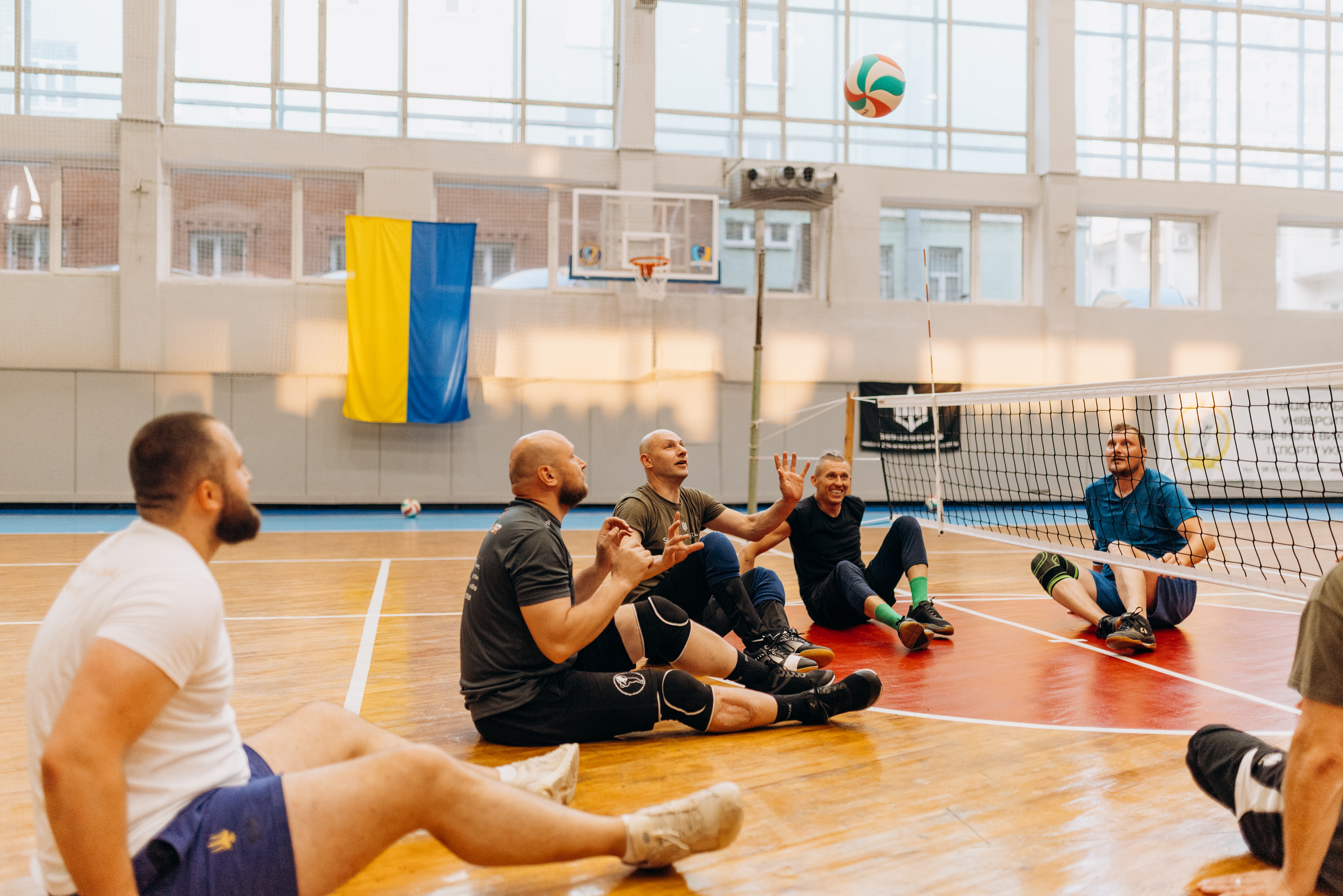
Most veterans return to civilian life because they have sustained injuries, wounds, or developed health conditions. Physical activity, including adaptive sports, can become a source of support, comfort, and an effective path toward recovery. This field is still underdeveloped in Ukraine. However, if expanded and integrated into veteran policy, it can drive meaningful positive change.
The Head of the Veteran Department at the CBA Initiatives Center and a coach explain how adaptive sports benefit veterans, and why developing this area matters not only for them, but also for the state, national security and defence resilience, and society as a whole.
Shared Sports Activities as a Path to Integration
Gyms, sports clubs, and classes become environments where several cultures meet — particularly military and civilian. Yet at a specific time and place, physical culture becomes the primary focus. This idea is highlighted in the study “The Joy of Movement” conducted in 2024 by researcher Yaroslava Bratus together with the Veteran Department of the CBA Initiatives Center. Respondents — including veterans training in regular sports groups alongside civilians — shared positive experiences. The same principle applies to veteran participation in “Sport for All” and “Invasport” programs.
“After service and my injury, I returned to regular training around 2022 in a gym where most people were civilians who hadn’t served and, I’d say, didn’t really want to. But it was an interesting challenge — to find a shared language and understanding. A good exercise in stepping outside your bubble. Sports spaces must be shared by military and civilians — it keeps you closer to the real world and socially engaged,” — says Taras Kovalyk, Head of the Veteran Department at the CBA Initiatives Center.
According to respondents, sports and physical activity can often become the first shared topic that helps veterans re-enter civilian life, where everything feels different.
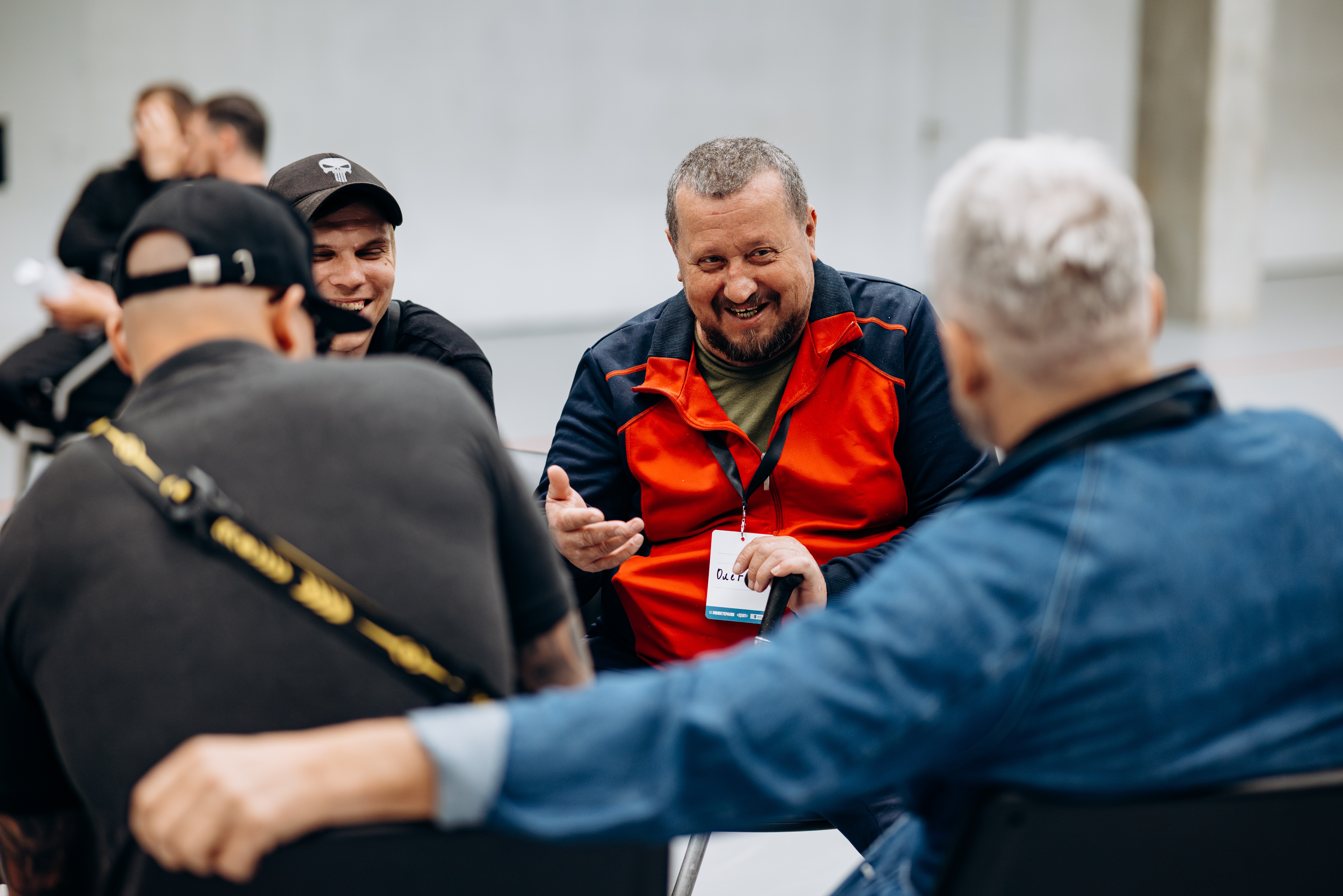
“Sport erases barriers: rich/poor, young/old, veteran/civilian. When we train, we focus on the game, the result, the interaction within the team or with the coach — and that helps us open up and connect. Veterans see me as a coach, but fully trusting a civilian can be difficult at first. After a couple of training sessions, that gap shrinks. The training becomes more effective — and communication outside the gym too,” — shares Oleksandr, Stav14 coach who trained Ukrainian veterans for the 2025 Invictus Games.
Investing in Adaptive Sports Is a Sign of Respect and Care
Developing state-supported adaptive sports programs is a way to honour the sacrifices veterans have made. Due to challenges with treatment, rehabilitation, benefits, or support services, many may feel that the state and society do not value what they have given to protect Ukraine’s sovereignty. It’s important to show care in a form that truly helps them — including through sports.
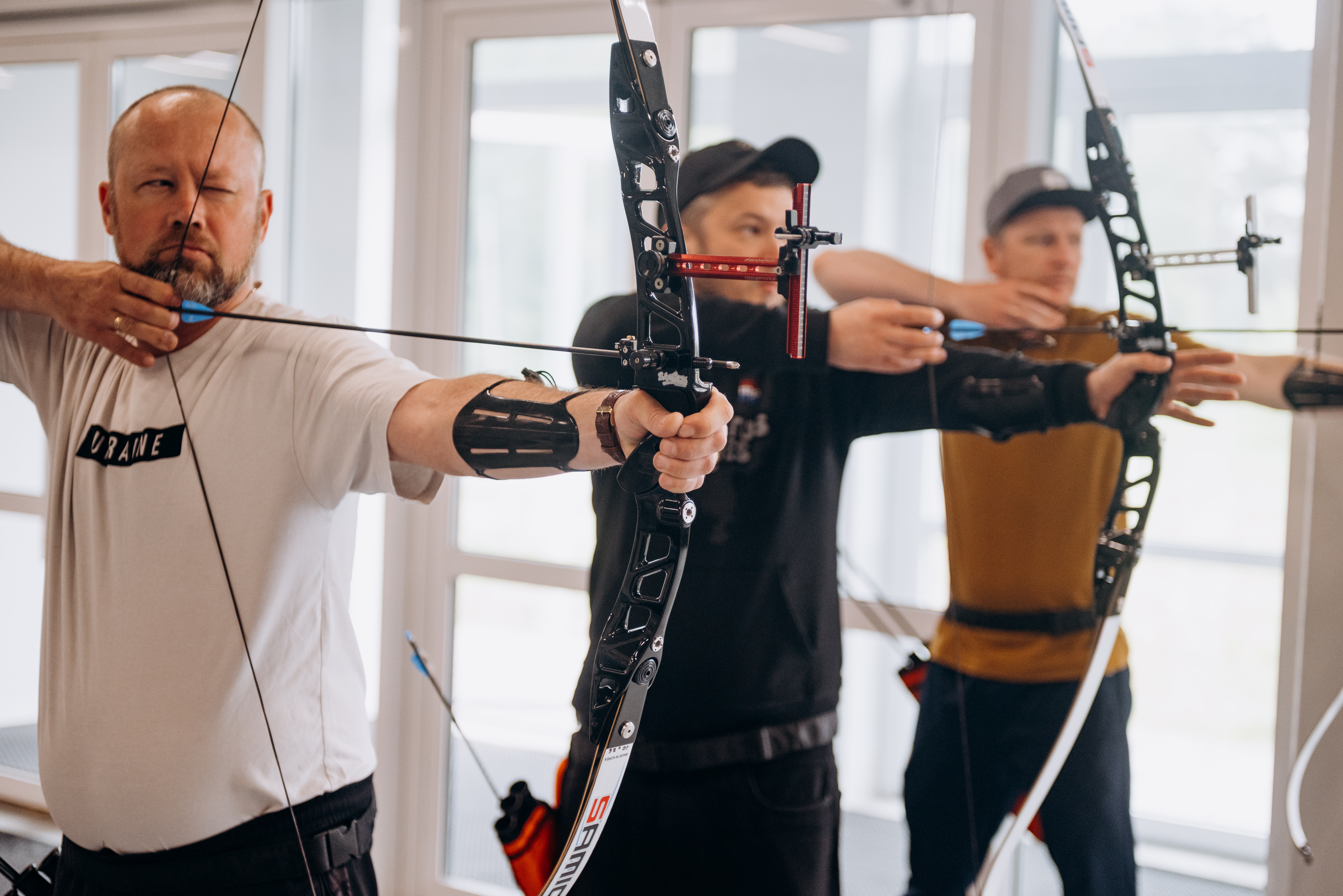
“At the first training session in Bukovel, one athlete struggled on adaptive skis and wanted to quit — he said he didn’t want to burden us. We talked through the fears, the expectations. The next day, after skiing down on his own, he said it was one of the best days of his life. Later in Whistler, he took first place,” — recalls Oleksandr.
The Veteran Department of the CBA Initiatives Center focuses on creating and strengthening opportunities for those — including veterans and active service members — who choose recovery through sport.
“We work on systemic solutions for adaptive sport development in Ukraine: studying current experience, scaling best practices, hosting open training sessions, sports camps, competitions, building a training program for coaches, and supplying equipment worth tens of millions of hryvnias,” — says Taras Kovalyk.
Providing opportunities is key. Not everyone wants to start a business, enter training programs, return to civilian jobs immediately, or engage in adaptive sports — but everyone deserves the right to choose and the means to follow that choice.
Adaptive Sports Improve Well-Being and Reduce Social Burden
A professional approach to adaptive sport improves both physical and mental health. It helps manage conditions that might otherwise require long-term medical treatment, boosts endurance and immunity, and helps avoid harmful coping mechanisms. Sports also reduce pressure on healthcare and social systems.
“With my moderate injuries and disability status, without high-intensity sports I would need regular hospitalization and medication. Training eliminated that need — my health improved dramatically. For veterans, physical activity is vital — it prevents health deterioration and improves quality of life,” — says Taras.
Sports structure daily routines, reinforce healthy goals, build community, and stimulate endorphins — preventing destructive behaviours:
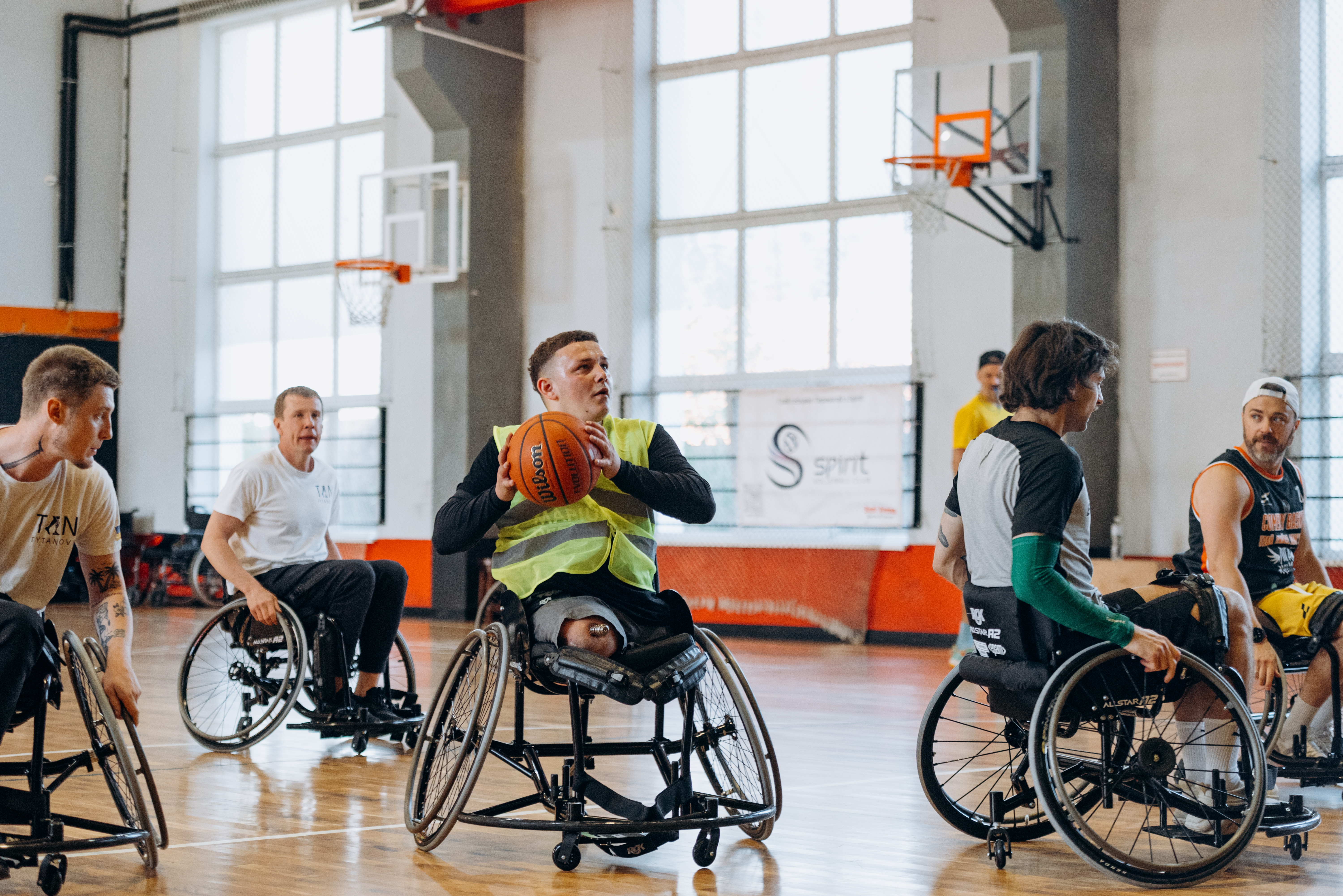
“Sport gives veterans a goal with quick feedback. The state supports this — for example, the Ministry of Veterans Affairs now provides 1,500 UAH per month for sports. I personally use it to cover part of my training costs. Over the past year, progress has been bigger than in the previous ten,” — adds Taras Kovalyk.
What Adaptive Sports Feel Like — Join and See
You can experience the power of adaptive sports firsthand at the Ukrainian Sitting Volleyball Championship, organized by the CBA Initiatives Center in Kyiv on July 5–6. The event will combine competitions with festival-style activities: Kiss Time screens, performances, dance shows, relaxation areas, and a big kids’ zone with workshops and games. Registration is required; the location will be shared with registered guests for security reasons.
The event is supported by Ciklum and the Ministry of Veterans Affairs of Ukraine.
Share