
“Trauma makes life smaller, while physical activity makes it bigger.” Taras Kovalyk on his military journey and how movement helps restore meaning
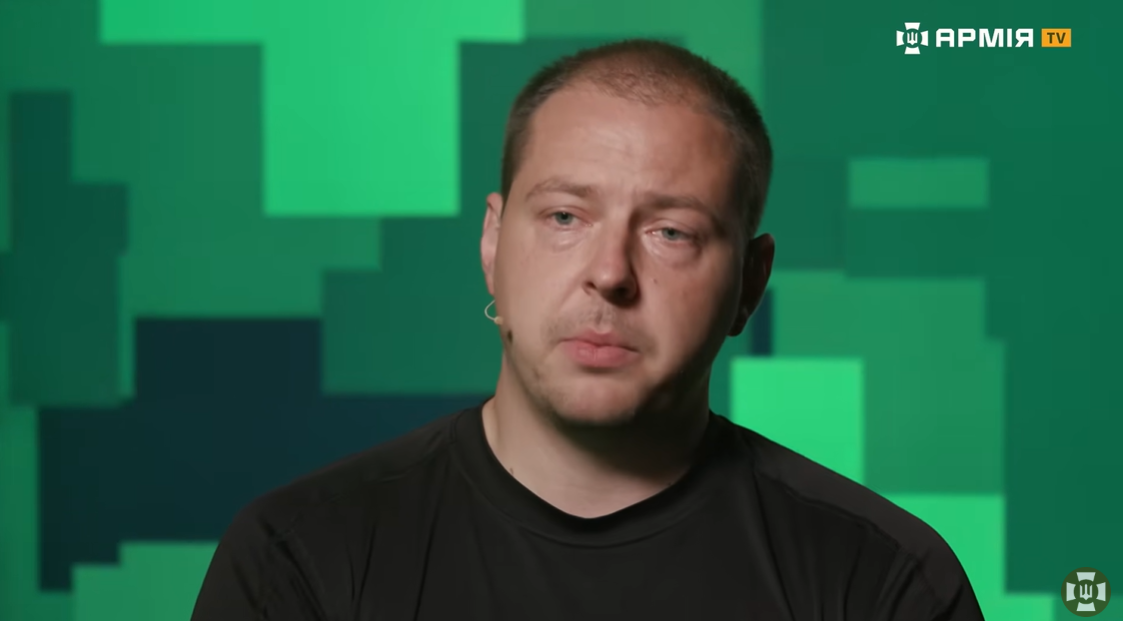
Today, Taras Kovalyk heads the Veteran Department of the Come Back Alive Foundation. His team organizes national adaptive sports competitions and recovery sports camps for veterans and service members, building a sustainable ecosystem of adaptive sports in Ukraine. In an interview with Army TV, he spoke about why he fled civilian life to return to the army, how physical activity helped him rediscover purpose, and why therapy and sports are vital tools for recovery. Below is a shortened version of the conversation.
Taras, when did the war begin for you, and what was it like?
For me, it began on the Maidan. I joined the Self-Defense units, standing between protesters and security forces. After February 18, 2014, when live ammunition was used, I realized: this was war. Then came Aidar Battalion, and by June I was wounded near Shchastia. A bullet severed an artery beneath my knee.
You were wounded, yet returned to the front. Why?
Because civilian life turned out to be scarier than the trenches. In the rear, anxiety consumed me — I couldn’t find peace. In the army, paradoxically, I felt calm. I hid the consequences of my injury and reenlisted. At first, I served as a rifleman, later in a mortar crew. But over time, I realized my body couldn’t handle that level of strain anymore.
How did you cope with the aftermath of war?
I kept running back to the army to escape civilian life. I had PTSD symptoms — sleeplessness, irritability, flashbacks. What helped was my environment: fellow Plast members, comrades, an active social life, and therapy. Strangely enough, only in the army did I feel safe. In civilian life — never. Psychotherapy helped me experience, for the first time, that it’s possible to live differently.
What became the turning point in realizing the importance of therapy?
The deaths of my brothers-in-arms. One of them, a Hero of Ukraine, suffered from complex PTSD. He couldn’t sleep, battled addictions, and was haunted by images of those he had killed. That showed me one truth: the demons of war are stronger than bullets. Psychotherapy isn’t a cure-all, but it reduces the price we pay for our suffering.
You were among the first to visit military units and talk about psychological trauma. What was that experience like?
Yes, after my service, I worked to connect soldiers and psychologists. Our team acted as a bridge. We’d go to units and explain in simple terms: “What you’re feeling is normal.” There’s shock, there’s trauma — and there are ways to deal with it. Back then, asking for help was seen as weakness. We showed that it wasn’t weakness — it was experience that could be worked through.
How does physical activity help veterans recover?
War trauma makes life smaller: you close in on yourself, afraid of falling or getting hurt again. Adaptive sports make life bigger. You pick up a bow, take your first shot — and you feel success. It’s a safe space where you can challenge yourself under the guidance of coaches, doctors, and fellow veterans. It shifts you from survival mode into life mode.
What transformation stories have you witnessed through adaptive sports?
Many veterans come to us wounded, not believing they can ever be active again. But soon their eyes start to light up. At the Invictus Games, I saw people come back to life. Sports ignite something within you — they transform and give you strength to feel part of a community again.
What is the Come Back Alive Foundation and the CBA Initiatives Center doing today to support veterans’ recovery?
We’re systematically developing the adaptive sports program — not just camps, but an entire recovery ecosystem. For example, our next multi-sport camp is planned for winter. In December, we’ll host large competitions open even to beginners — to help them feel the atmosphere and fall in love with the process. We create conditions where success becomes inevitable. Our goal is to make such camps regular — at least once per quarter, engaging up to a hundred participants each time.
We’re also traveling across regions as part of the “Our People Are Here” project, mapping veteran-friendly sports clubs. This helps us understand how adaptive sports can grow within local communities. We’re planning training programs for coaches and caregivers, since human resources are a major challenge. We work in sync with the Ministry of Veterans Affairs, other agencies, and international foundations to attract resources and scale the model.
What would you say to veterans who still haven’t found their path after the war?
Don’t isolate yourself. Social capital is invaluable. On bad days, your community — friends, comrades, family — is what keeps you afloat. And physical activity and psychotherapy are the tools that let you pay a smaller price for inner growth.
Share