
When Body and Spirit Find Balance Again: How Adaptive Sports Support Recovery
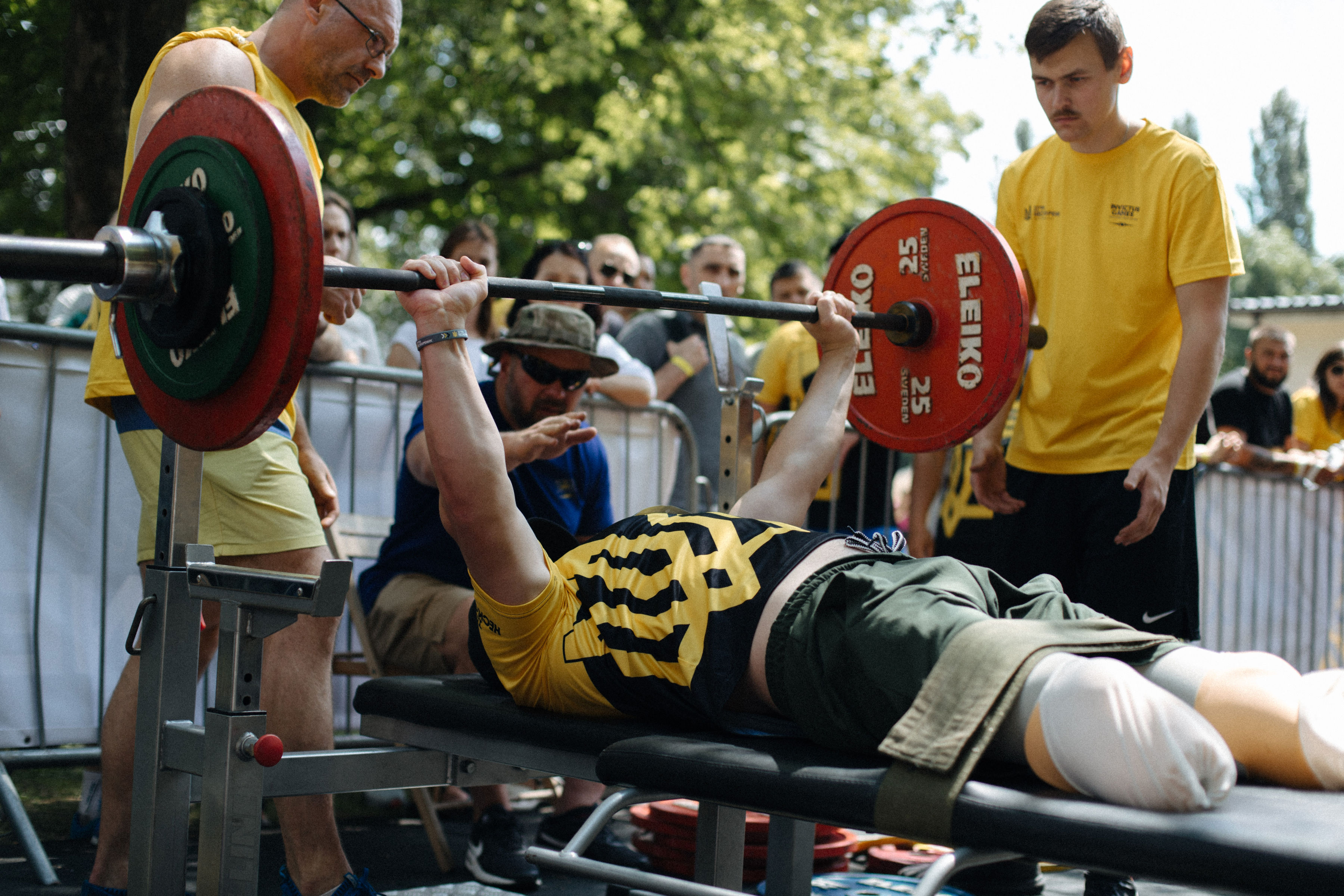
War leaves behind not only physical wounds but psychological ones as well. Thousands of Ukrainian veterans return to civilian life carrying experiences that require long-term rehabilitation — and later, recovery. One of the most effective tools for that second stage is adaptive sports — a combination of physical activity and community that helps restore both body and soul.
What Is Adaptive Sports?
Adaptive sports are recreational or competitive disciplines modified for veterans with injuries, wounds, illnesses, or acoustic trauma. People living with such conditions require specific training environments — and the goal of adaptive sports is to create them.
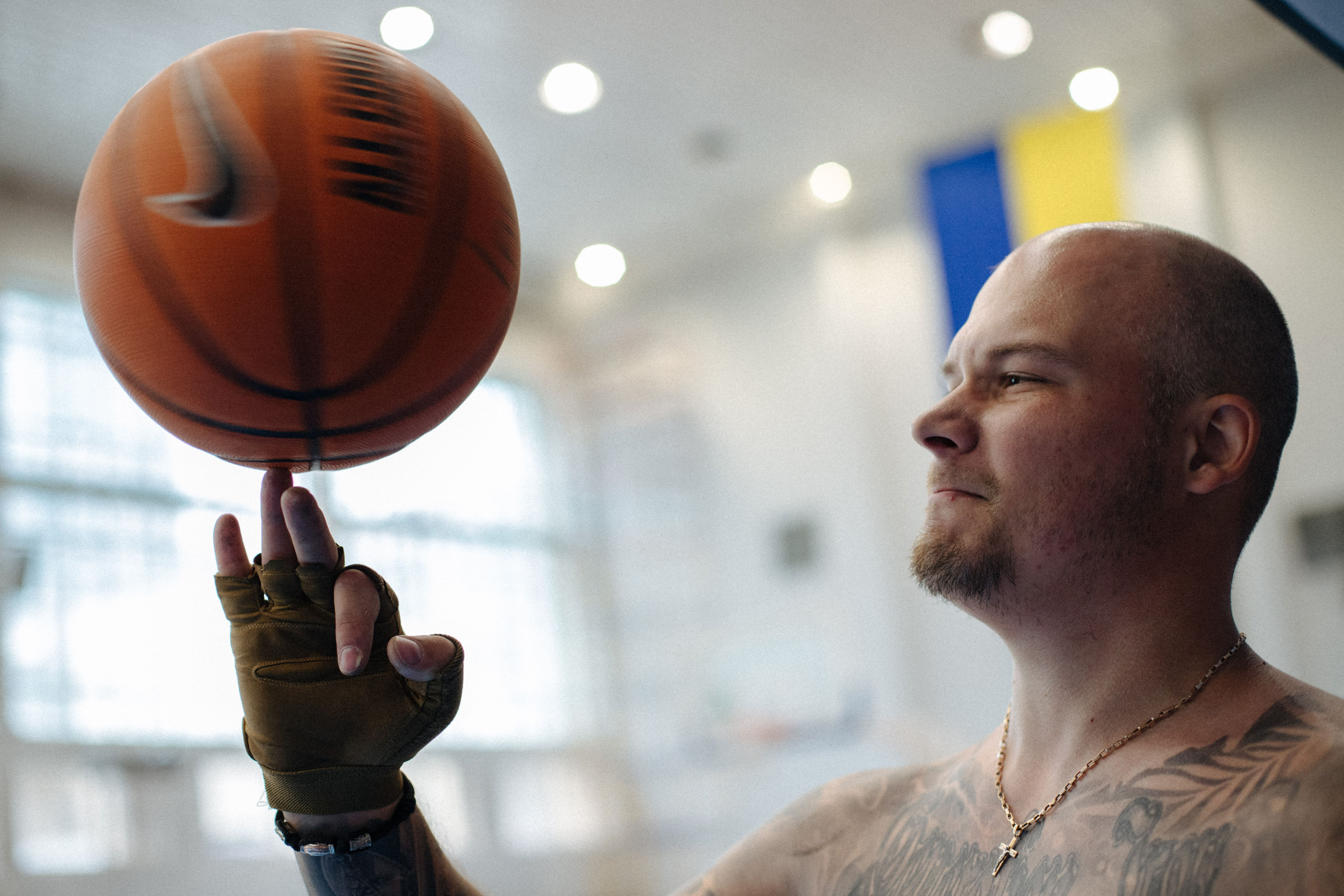
But most importantly, physical activity becomes a means of reconnecting with one’s body, rebuilding confidence, and rediscovering the joy of movement.
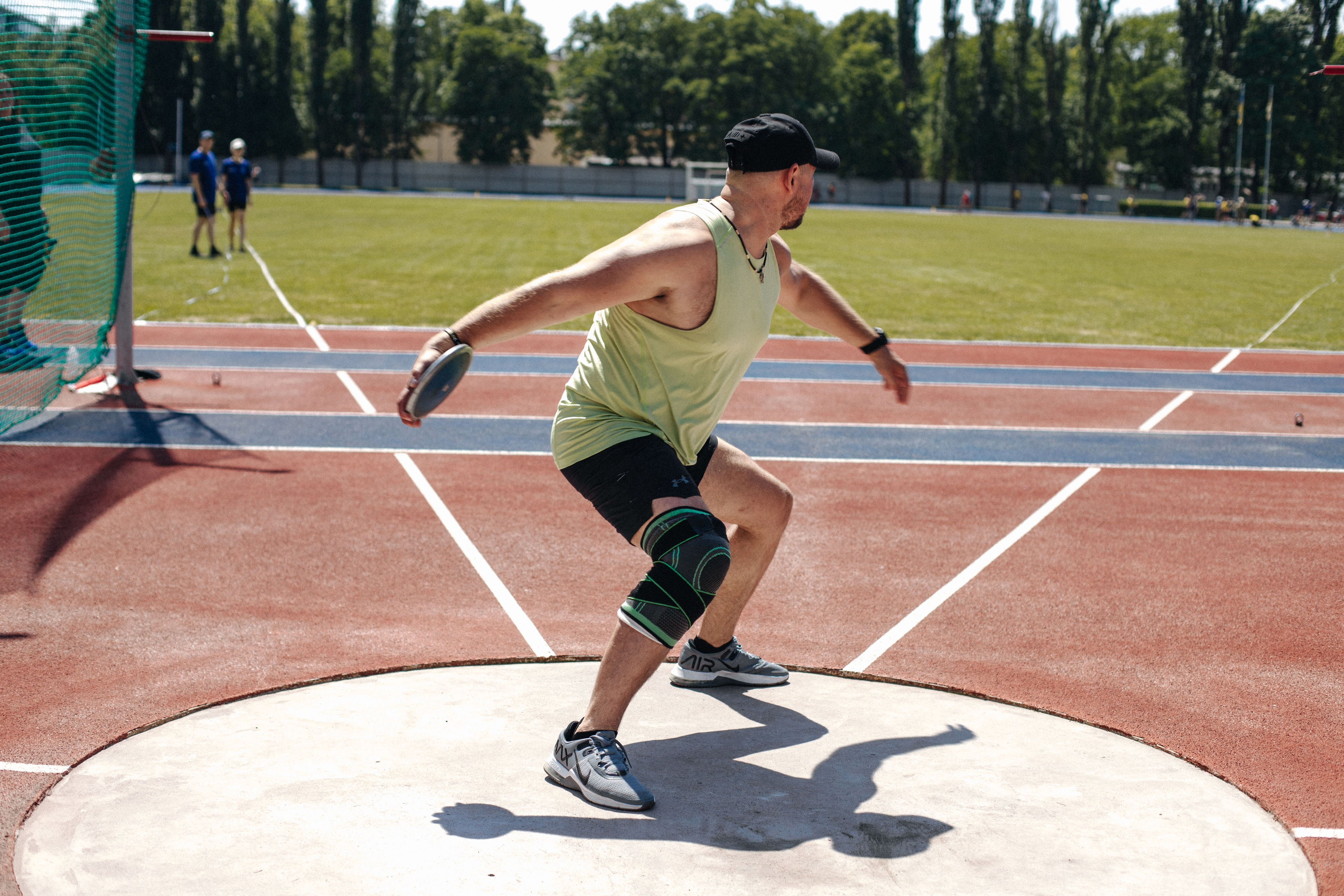
Below: the CBA Initiatives Center during the Invictus Games selection events. Photo by Tim Pushkaruk.
Invisible Wounds and Injuries
Many wounds sustained by veterans are not visible. These include psychological trauma, acoustic injuries, and post-traumatic stress, among others.
That’s why adaptive sports aim to create safe, non-triggering environments — minimizing exposure to loud noises, flashing lights, or unexpected stimuli. Even the number of people in a training space or stadium is carefully considered.
Such conditions help individuals regain control over their bodies and gradually restore both mental and physical well-being.
Equipment, Atmosphere, and Support
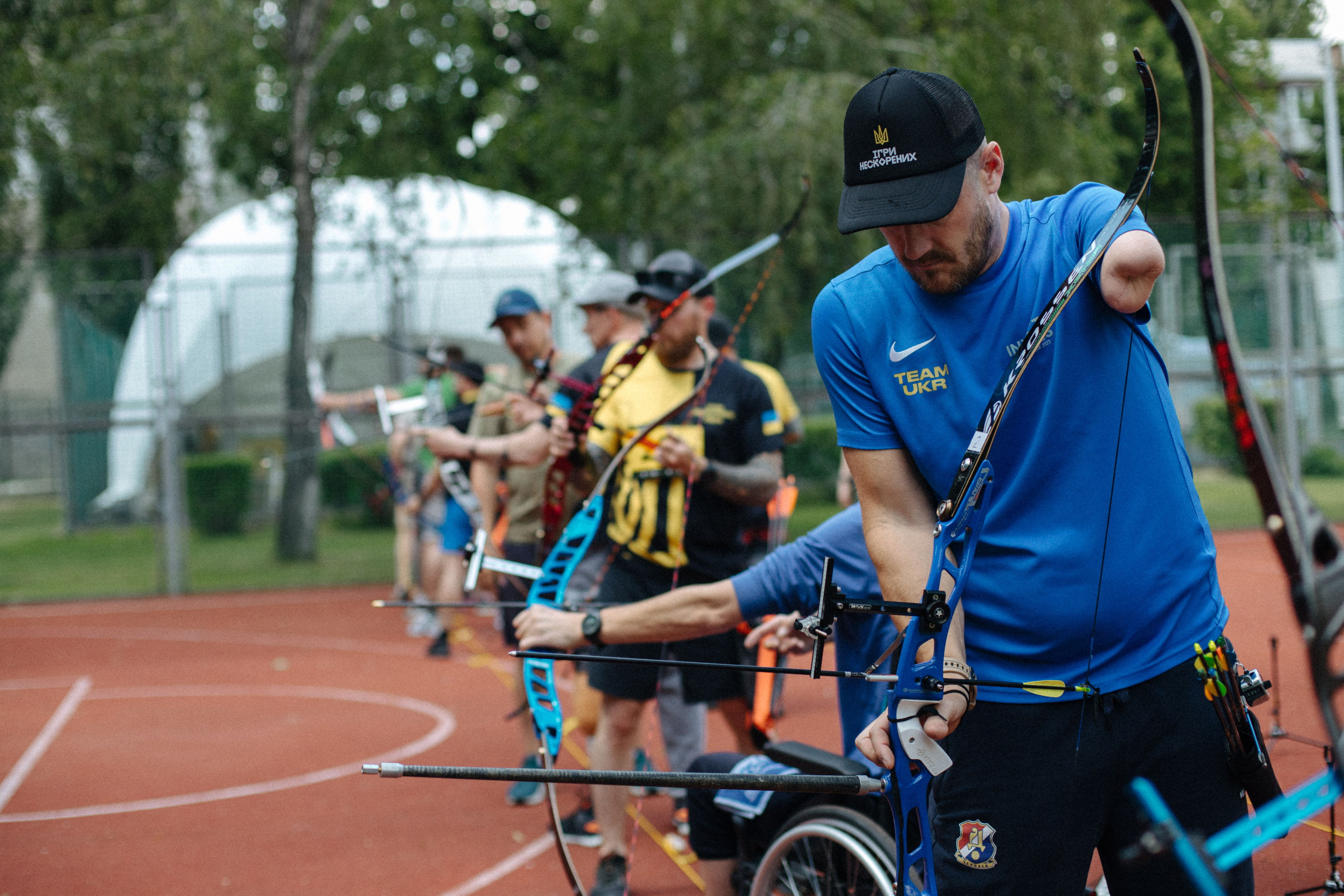
Adaptive sports are not only about exercises. They also involve specialized equipment — for instance, bows that can be attached to prosthetics, or methods that allow athletes to release an arrow using their teeth.
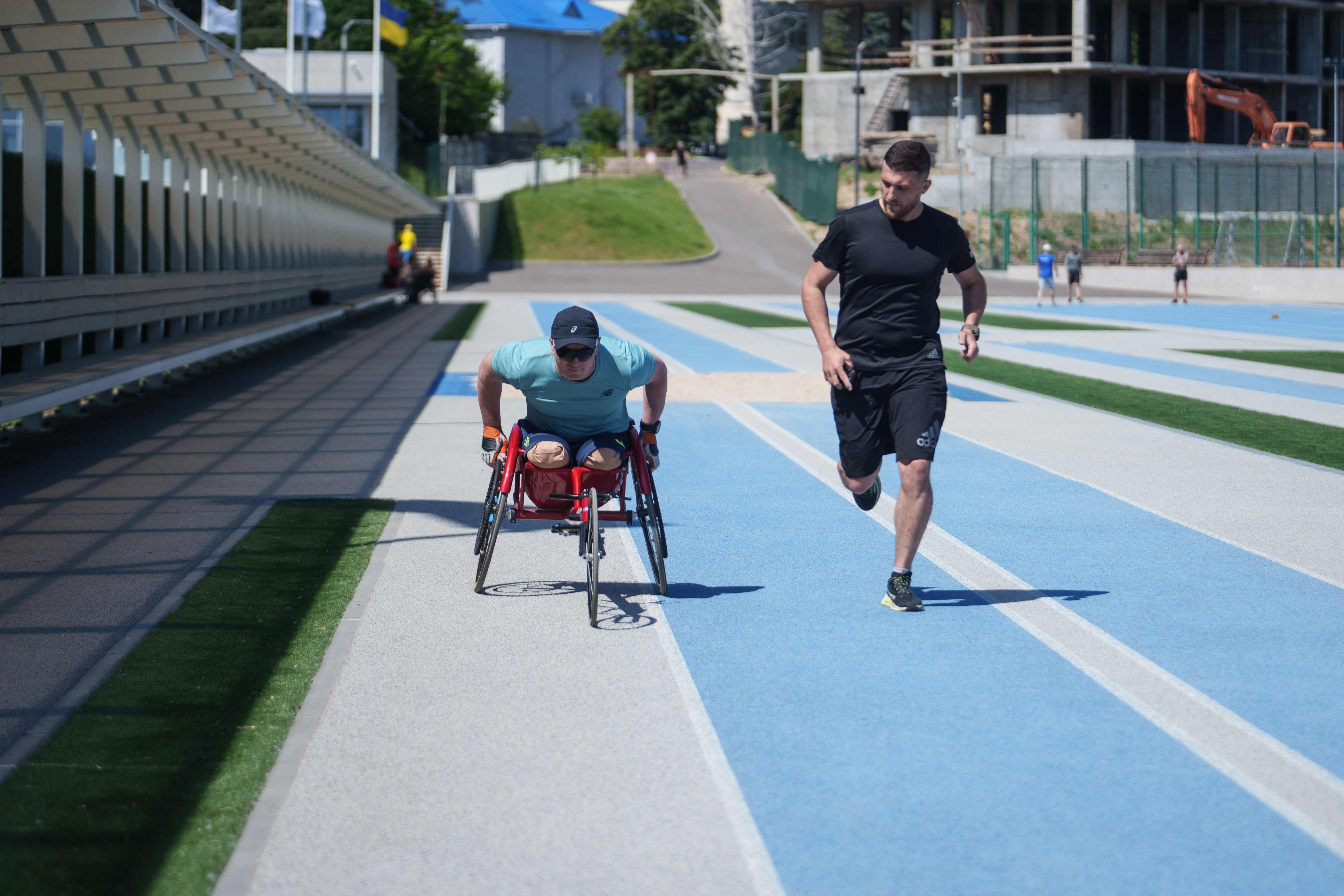
Equally important are the environment and emotional support. Training becomes a space free of pity, built instead on mutual respect, empathy, and motivation.
Coaches play a key role in this process. They must be not only professionals in their sport but also people who understand the challenges veterans face and know how to support them through those moments.
The Role of Society
Helping veterans return to civilian life is a responsibility that lies with the entire society. Everyone can contribute — by spreading awareness about adaptive sports, supporting related initiatives, or donating to programs that make them possible.
It’s essential that sports spaces are shared by both military and civilians. This helps break down barriers and makes social reintegration more natural.
“After my service and injury, I started training again around 2022 in a gym mostly full of civilians — people who hadn’t served and, I’d say, didn’t really want to. But it was an interesting challenge — finding a common language and mutual understanding. At the same time, it’s good training for stepping outside your own bubble. It’s very important that gyms and similar spaces are shared between those who have served and those who haven’t. It helps you stay connected to the real world and engaged in social life,” — says Taras Kovalyk, Head of the Veteran Department at the CBA Initiatives Center.
Conclusion
Adaptive sports are more than physical activity. They are a space where veterans can regain control over their bodies and lives, overcome stress, and rediscover their place in society.
By supporting adaptive sports, we create opportunities not only for the recovery of those who defended Ukraine but also for building a stronger, more compassionate society — one that knows how to be both grateful and resilient.
Share