

Joint War Termination Strategy for the Russo-Ukrainian Conflict: An Overview of the New Research by the CBA Initiatives Center
Despite the diplomatic efforts of Ukraine’s international partners, the Russian Federation has not demonstrated a willingness to end the war. Under such conditions, Moscow has no reason to soften its demands.
The Russian Federation’s rigid, maximalist position – one that is incompatible with Ukraine’s minimum acceptable conditions – makes real progress in negotiations impossible. Therefore, bringing peace closer and initiating a substantive dialogue will require a change in the strategic context of the conflict. First of all, it is necessary to undermine Russia’s expectations of victory, which are based on the exhaustion of Western support, the erosion of Ukraine’s will to resist, or the achievement of battlefield advantages resulting from the depletion of Ukrainian forces. This will require coordinated efforts by the Ukrainian government and its foreign allies.
The most reliable and cost-effective model of deterrence would be NATO membership for Ukraine. However, under current political conditions, such a prospect appears unlikely. It is also unlikely that European states and the USA would provide equivalent guarantees without formal NATO membership. This approach would require significant spending by international partners. However, as Ukraine’s economy recovers, it will be able to assume an increasing share of defense expenditures.
This assessment is confirmed by a new study by CBA Initiatives Center analyst Glib Voloskyi.
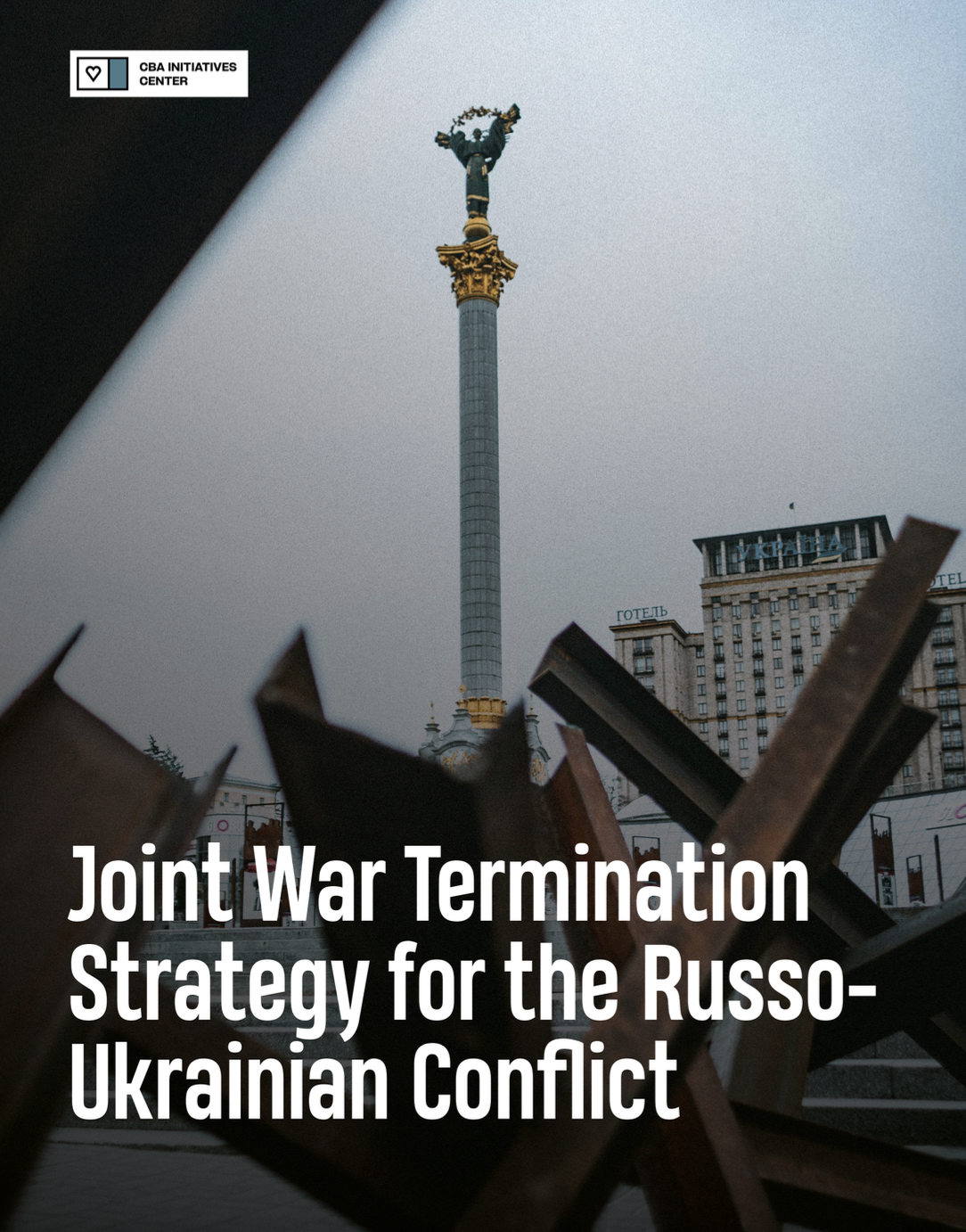
Click on the report’s cover to read the full text.
Поділитись