
All Articles
-
Article
-
Analytical department
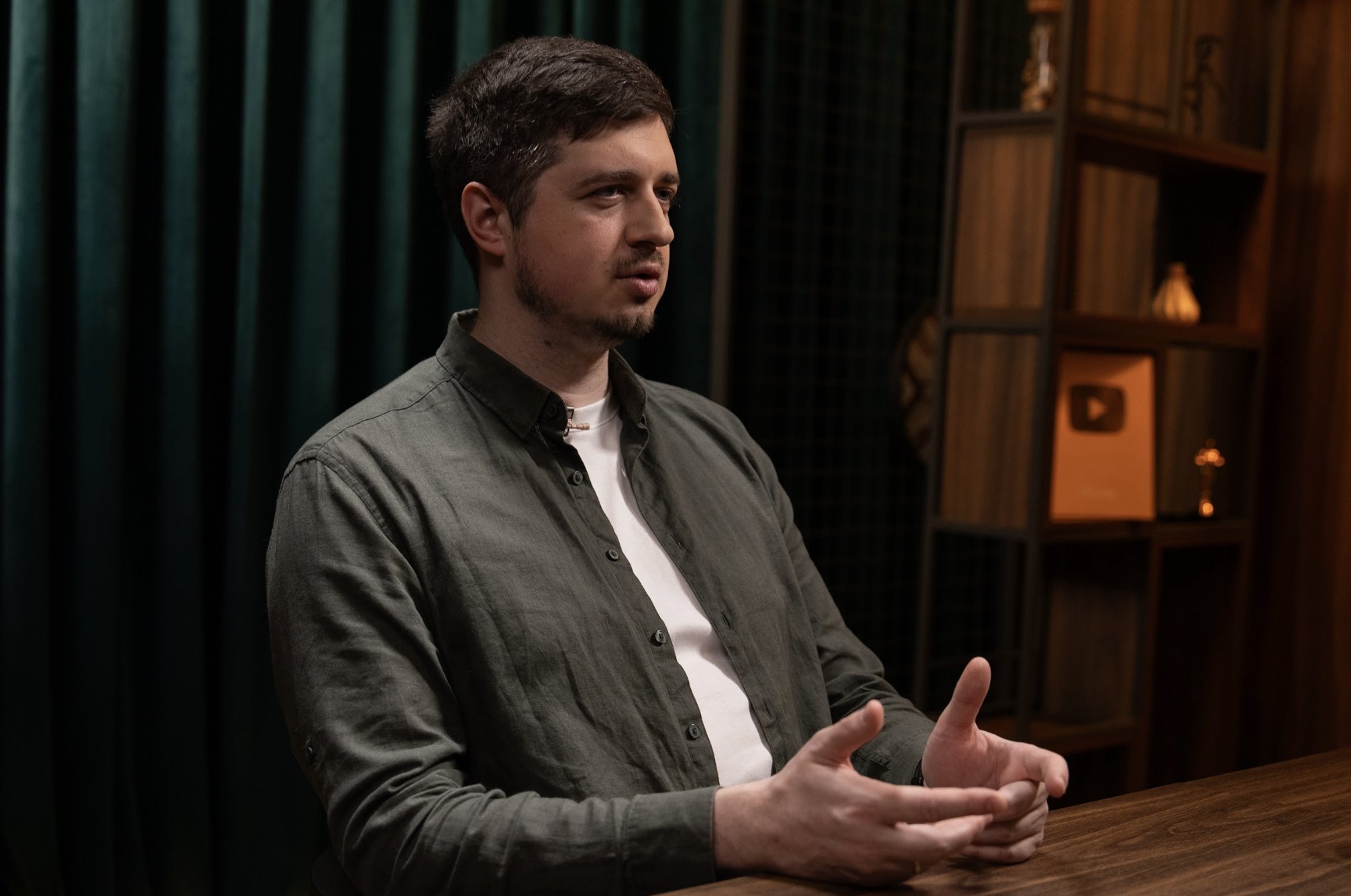
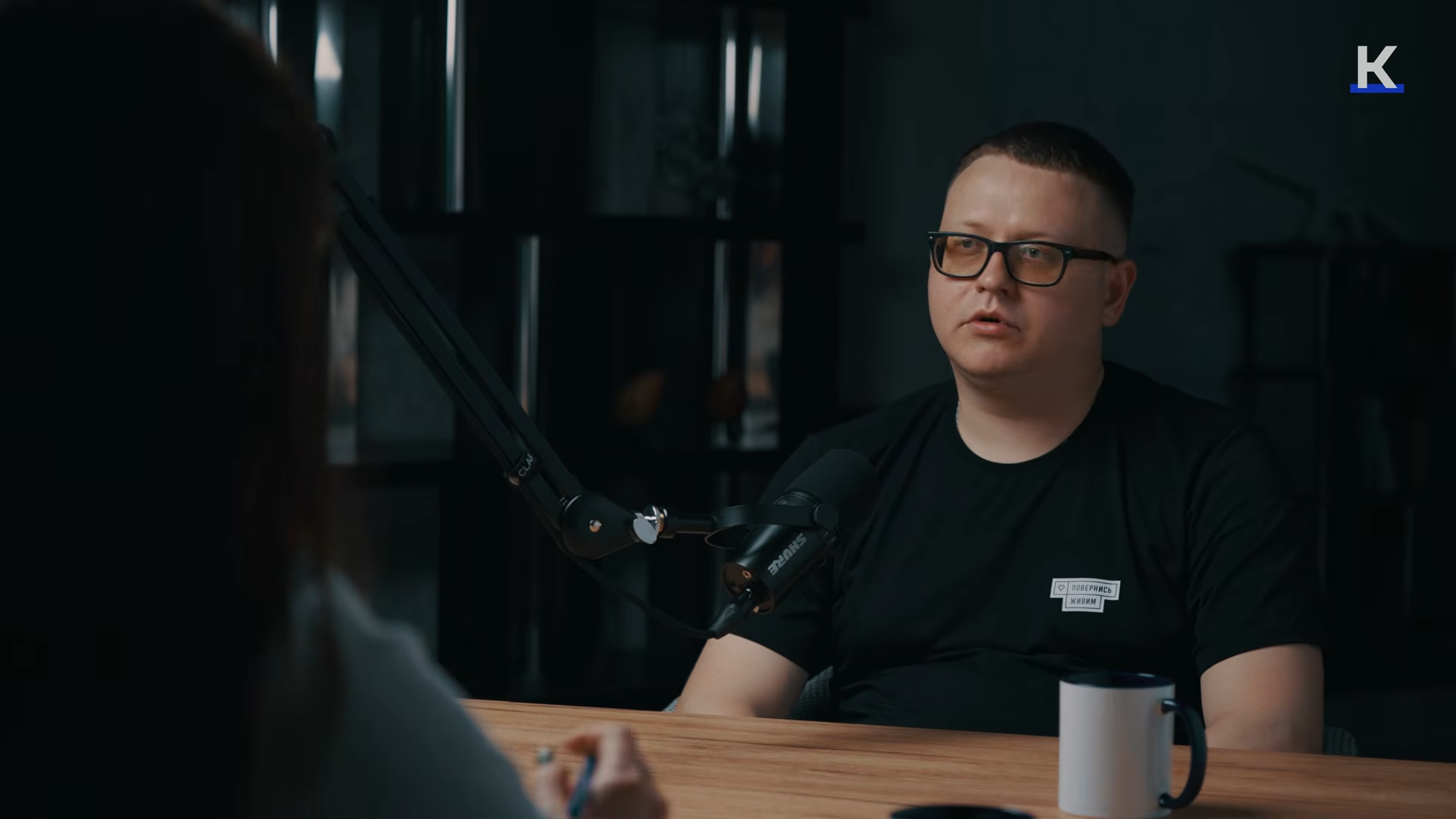
Anton Muraveynyk about the frontline in 2026, systemic issues within the military, and mobilization research.
Anton Muraveynyk recently appeared as a guest on the Removska Interview project for the "Suspilne News" YouTube channel. The discussion centered on systemic challenges within the management of the Defense Forces, the prospects of U.S.-led negotiations, and the digital isolation of the Russian Federation.
-
Article
-
Analytical department
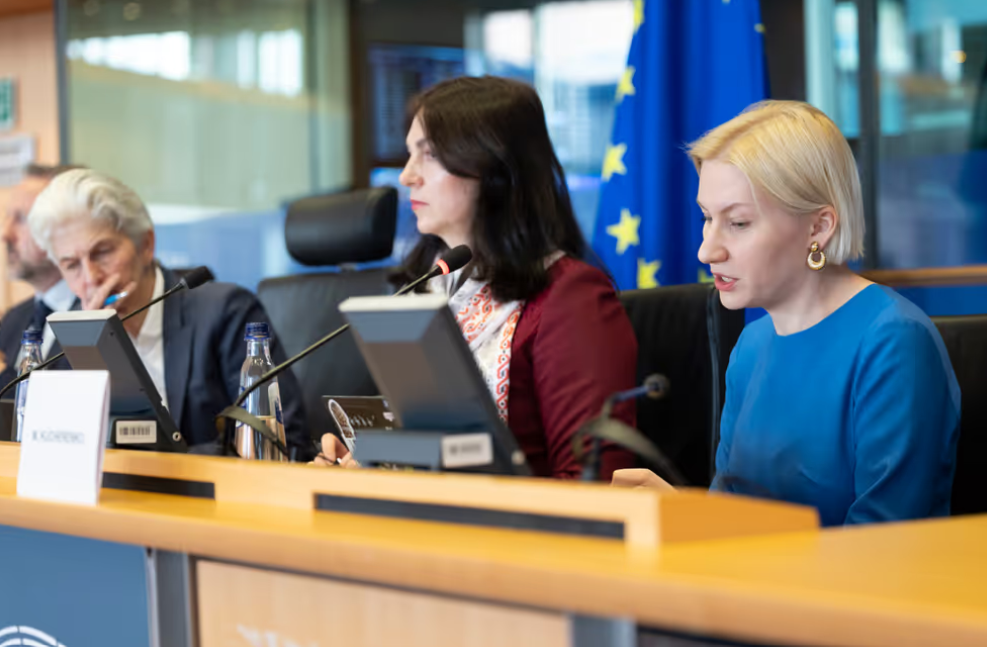
“War Has Many Dimensions. It Can Wear a Uniform or a Diplomatic Suit”: Maria Kucherenko’s Speech at the European Parliament
On Wednesday, March 18, 2026, Maria Kucherenko, Senior Analyst at the Come Back Alive Initiatives Center, addressed a hearing of the European Parliament’s Committee on Security and Defence.
-
Article
-
Analytical department

-
Mykola Bielieskov
A Month of Disillusionment: How February Reshaped U.S. Policy on Ukraine and What Kyiv Can Still Hope For
February 2025 marked a turning point in U.S.-Ukraine relations. Instead of the anticipated reset, Kyiv faced a series of sobering realities—from contradictory statements by the Trump administration to a failed White House meeting.
-
Article
-
Analytical department
-
Mykola Bielieskov
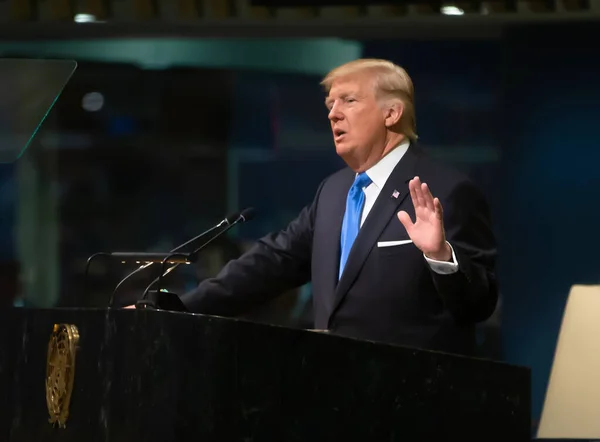
Trump Begins His Second Presidential Term: Can the 47th President Be a Reliable Ally for Ukraine?
Today, on January 20, 2025, Donald Trump assumes office as the 47th President of the United States, marking his second tenure in the Oval Office. Along with inheriting the responsibilities of his predecessor, Joe Biden, Trump faces the pressing challenge of resolving the ongoing war between Russia and Ukraine.
-
Article
-
Analytical department
-
Mykola Bielieskov
"Goals-Resources-Tools": Why Ukraine Needs a New Grand Strategy for Victory. A Military Scenario for 2025
Any attempt to understand the conditions under which Ukraine will implement its grand strategy in 2025 is impossible without analyzing the key trends and developments of 2024.
-
Article
-
Analytical department
-
Oleksandr Demchenko
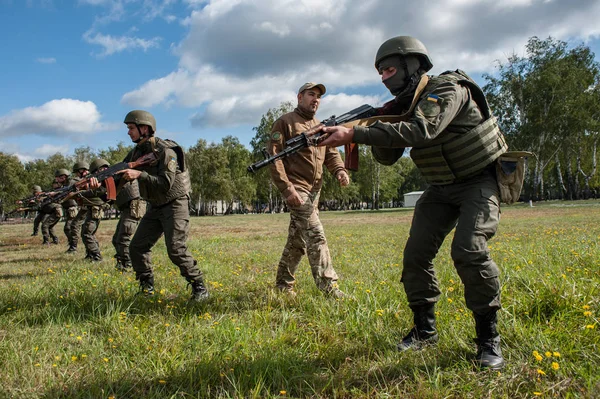
Torture, geopolitics, pressure. How and why the Kremlin has been using famine for almost 100 years
-
Article
-
Analytical department
-
Oleksiy Moskalenko
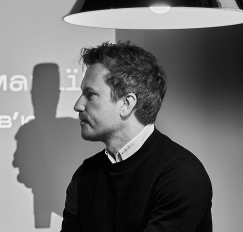
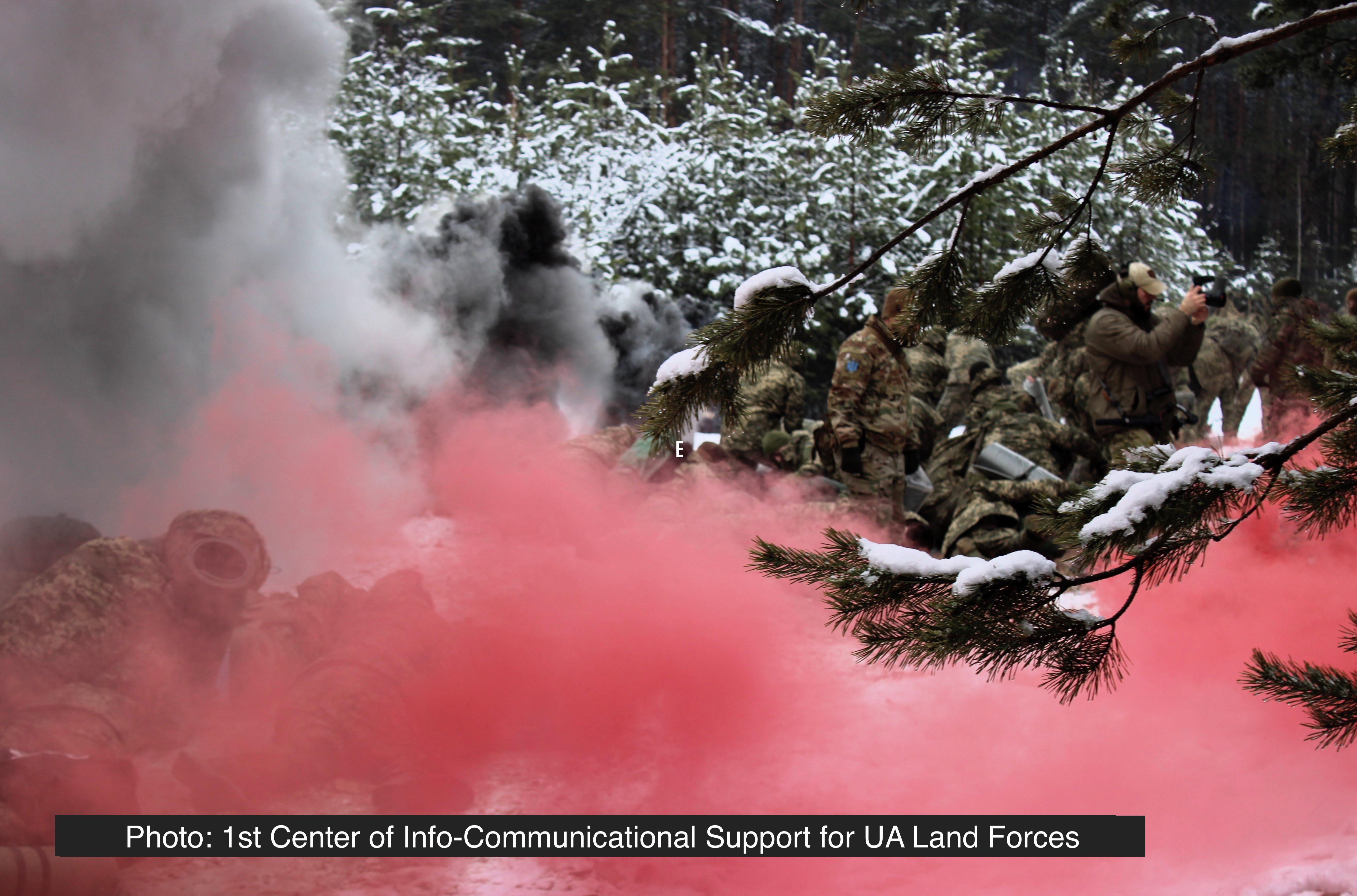
Basic Military Training: Challenges Seen by Cadets, Instructors, and Combat Brigades
Infantry soldiers serve at the front lines, but often receive the least attention during training. To qualify as a rifleman (MOS 100), they must complete the basic military training (BMT), usually referred to as “bootcamp.”
-
Article
-
Analytical department
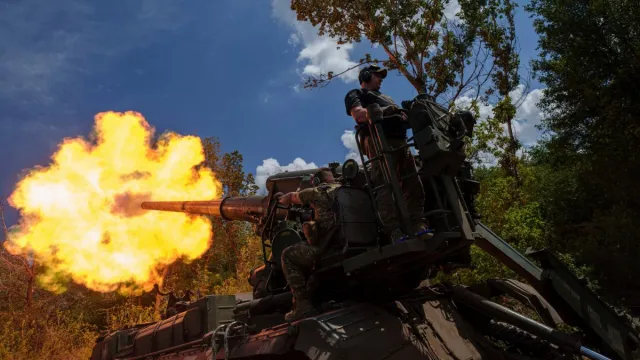
“There are solid chances that this war is going to end with another framework that would just freeze the current front line”: Mykola Bielieskov for the Kyiv Independent
Mykola Bielieskov, senior analyst at the CBA Initiatives Center, was interviewed by the Kyiv Independent’s Kateryna Hodunova. The conversation explores Ukraine’s recent territorial gains, the growing role of drones and robotic systems, the possibility of a frozen conflict, and whether either side can sustain the war for years to come.
-
Article
-
Analytical department
-
Oleksiy Moskalenko
What Ukrainian soldiers say about NATO training?
In the third year of Russia’s full-scale invasion, Ukrainian society began recalibrating its strategy for what was evidently becoming the war of attrition. News reports, feedback from soldiers and army officials identified domestic training as one of the weak points that needs to be improved.
-
Article
-
Analytical department
-
Mykola Bielieskov
Trump has made a big diplomacy error – the Ukraine proposal proves it
The White House has arranged its foreign relations in such a way that Putin doesn’t fear negative consequences
-
Article
-
Analytical department
-
News
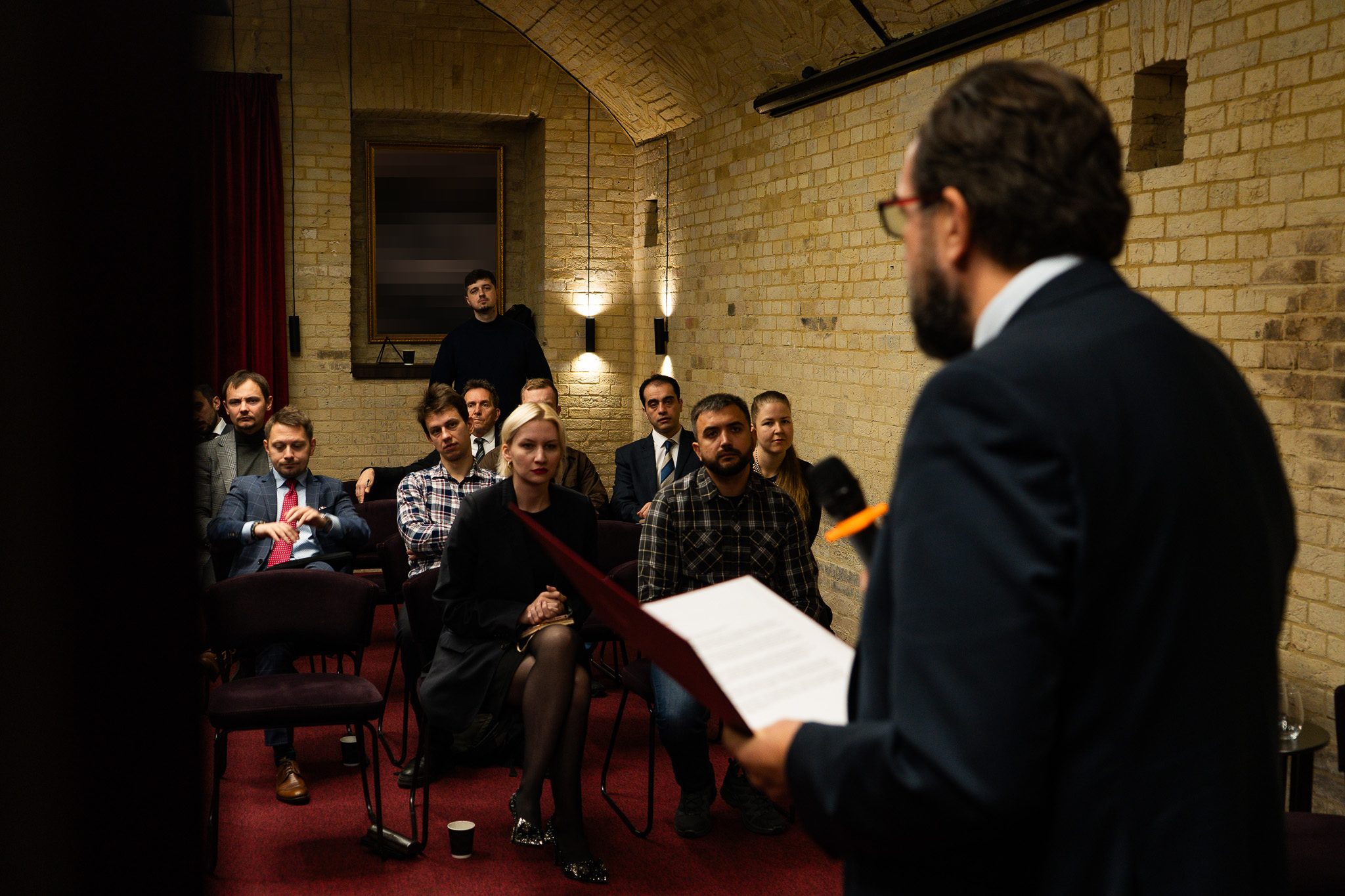
Being on the right side of history: Come Back Alive analysts and diplomats exchange expertise on threats from Russia
The Come Back Alive Foundation’s Initiatives Center and the Embassy of the Republic of Poland in Ukraine held a diplomatic panel titled “How Russia Makes Decisions: Policy Priorities and Impact on Europe.”
-
Article
-
Analytical department
-
Oleksandr Demchenko
Putin signed plans to return people to the occupied territories. Are they realistic?
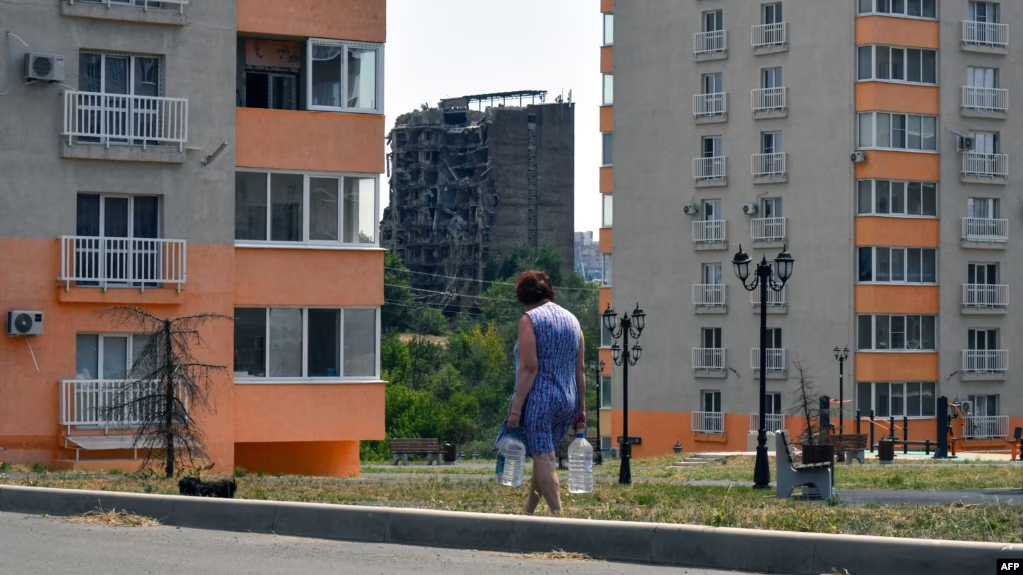
Kremlin leader Vladimir Putin signed a decree approving the concept of the Russian Federation's state migration policy for 2026-2030, which summarizes migration processes over the past six years and outlines plans for migration to Russia for the next five years. Among them is the influx of people into Russian-occupied territories of Ukraine. Donbas. Realities (a Radio Liberty project) studied this document: here are some interesting facts about the aggressor country itself and what it says about the occupied part of Ukraine.
-
Article
-
Analytical department
-
Veteran department
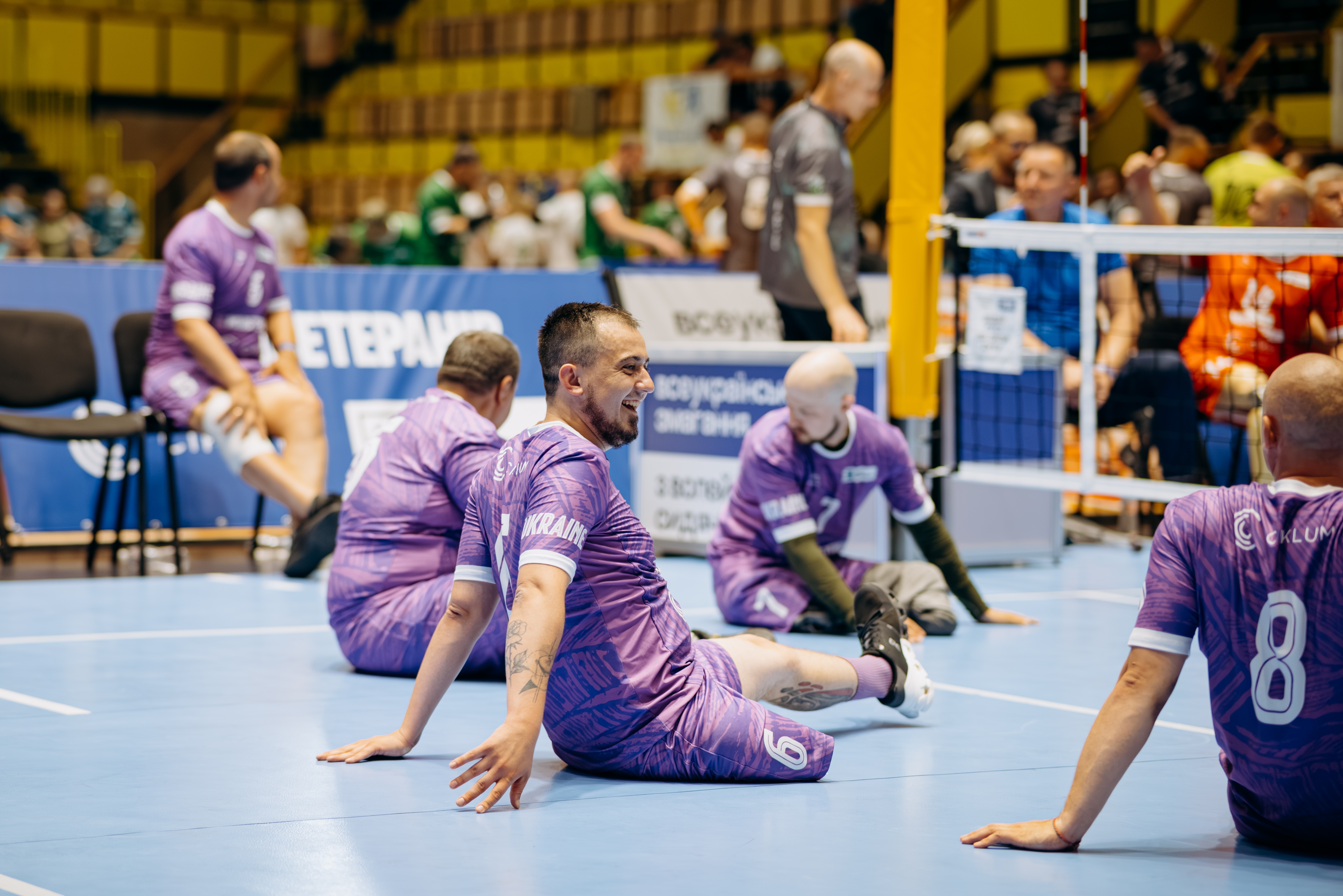
How Rehabilitation Centers Become a Bridge Between Veterans and Adaptive Sports Findings from the new study by the CBA Initiatives Center
“Barriers and Prospects for Scaling Recovery Through Adaptive Sports: The Perspective of Rehabilitation Institutions” is the latest study by the Come Back Alive Center for Initiatives. It serves as a logical continuation of the previous research, “The Joy of Movement,” which explored how adaptive sports contribute to the recovery of wounded veterans.

-
Article
-
Analytical department
-
Veteran department
Taras Shpuk, a former employee of “Come Back Alive” and a great friend of the Foundation, was killed at the front
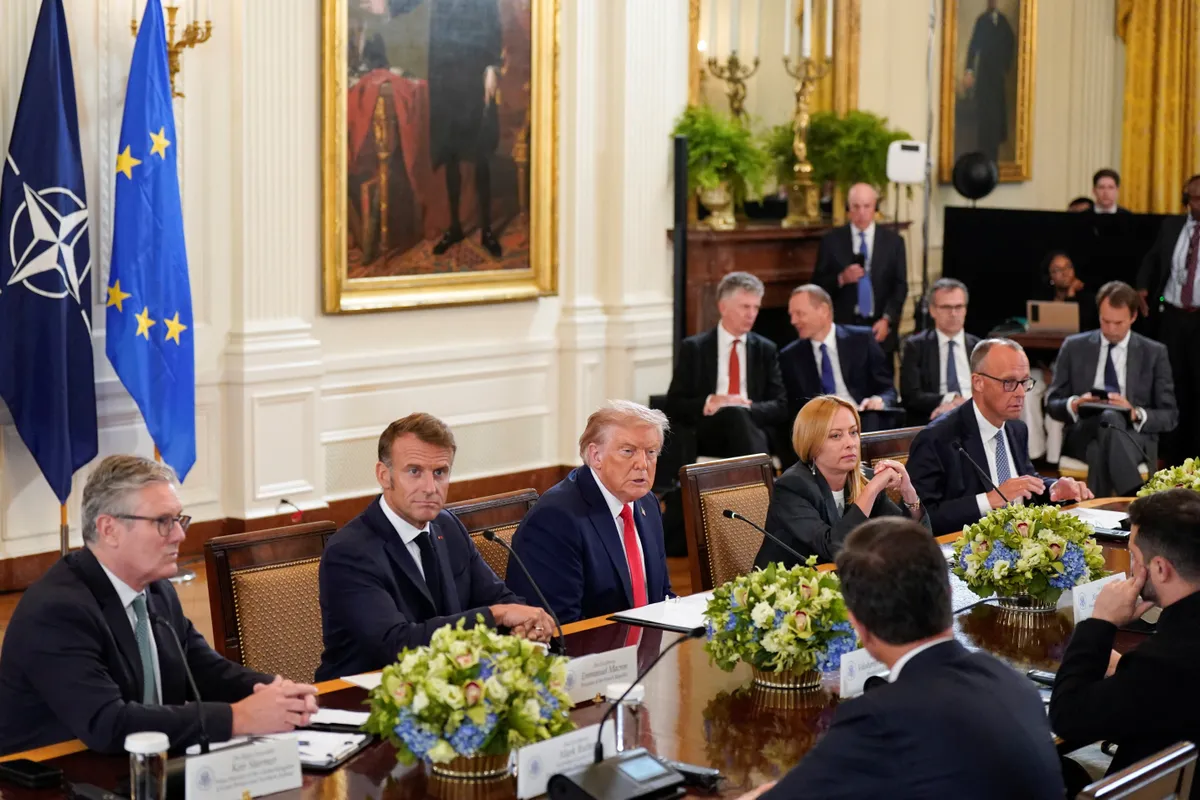
While carrying out a combat mission as part of a special operations group, our friend and former colleague Taras Shpuk, a warrior with the call sign “Cherep” (“Skull”), was killed. He was 34 years old.
-
Article
-
Analytical department
-
Mykola Bielieskov
Ukraine War Equation: Small Shifts, Same Deadlock
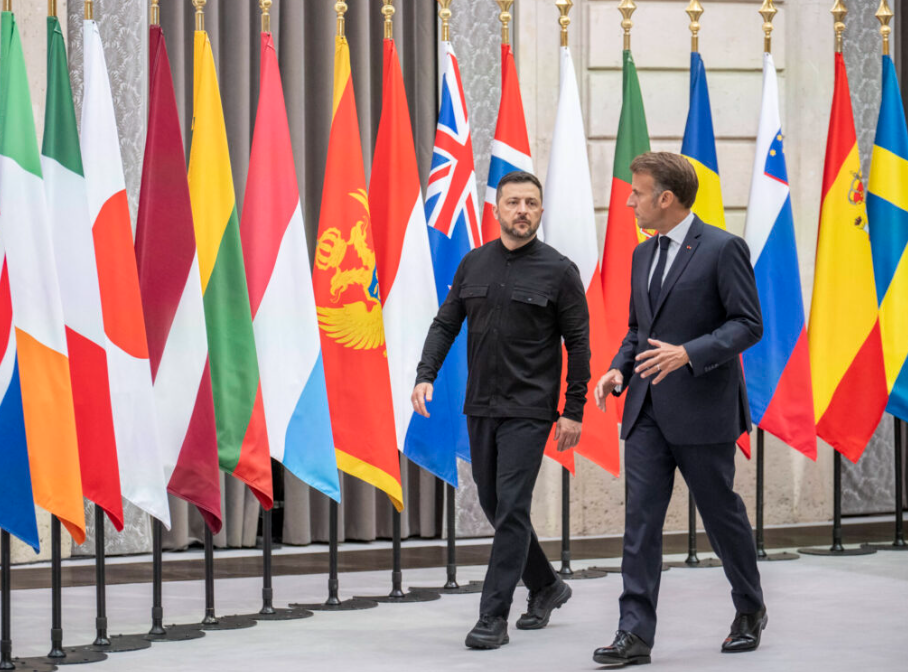
Mykola Bielieskov, Research Fellow at the National Institute for Strategic Studies in Kyiv and Senior Analyst at the CBA Initiatives Center, told The Baltic Sentinel that the Ukraine war equation has shifted slightly — the U.S. has gone from backer to mediator — but the fundamental problem persists, as Europe remains stuck in crisis management and Putin sees no reason to stop.
-
Article
-
Analytical department
-
Mykola Bielieskov
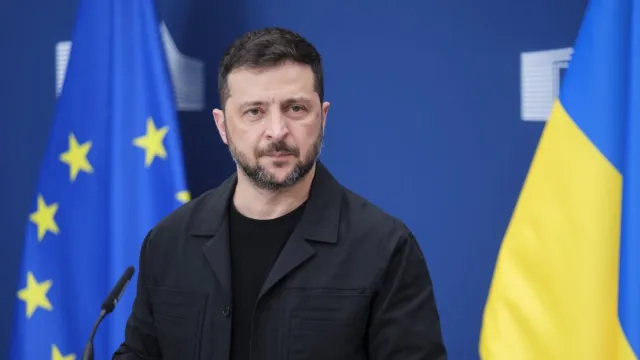
What is the Coalition of the Willing actually willing to do in Ukraine?
French President Emmanuel Macron announced last week that 26 nations have now committed to participating in a so-called “reassurance force” to help guarantee Ukraine’s security following the end of hostilities with Russia. Macron was speaking in Paris after hosting European colleagues from the Coalition of the Willing, a grouping of countries led by Britain and France that is attempting to spearhead efforts to secure a lasting peace in Ukraine.
-
Article
-
Analytical department
-
Mykola Bielieskov
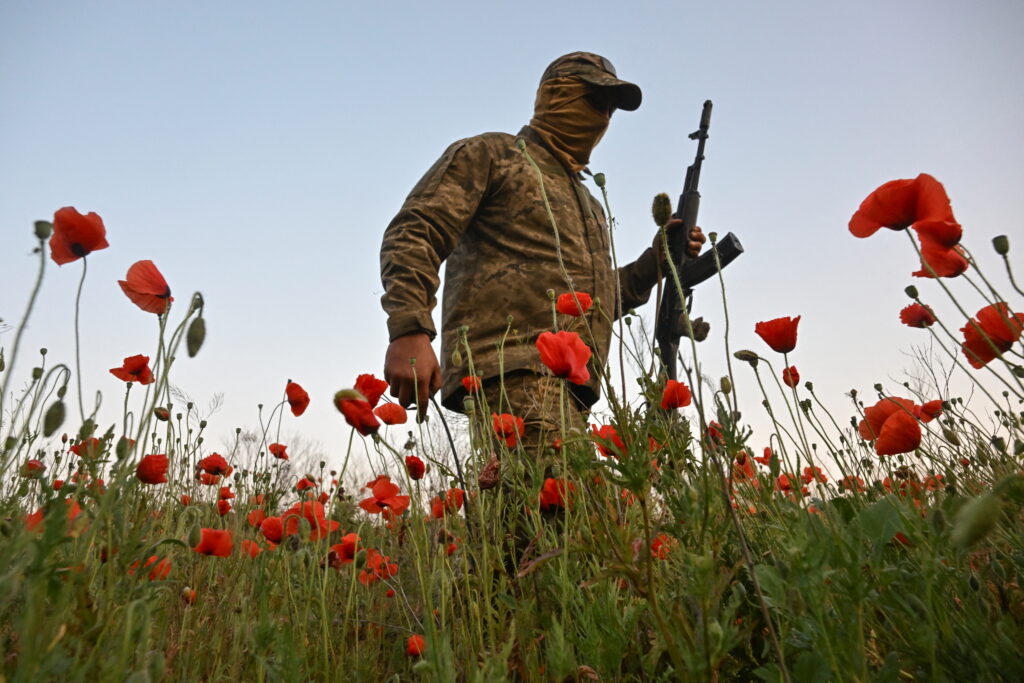
What Ukraine really needs from Europe is missiles that can hit Moscow
Allies are not offering real security guarantees, but a porcupine strategy could produce an agreement that lasts
-
Article
-
Analytical department
-
Mykola Bielieskov
Putin wants to capture Ukraine’s crucial fortress belt without a fight
Putin wants to capture Ukraine’s crucial fortress belt without a fight
-
Article
-
Analytical department
-
Maria Kucherenko
Phenomenon Of Modern Mercenaries. Use of Private Military Companies in Contemporary Armed Conflicts: Conclusions For Ukraine
The most essential thing to do when discussing private military companies and the practice of their use is to clearly define the terminology. If this definition and distinction is not made, we will inevitably drown in the narrative imposed by Russia that everything it calls “PMC” is indeed a private military company, and the world should accept this approach.
-
Article
-
Analytical department
-
Maria Kucherenko
“Russia’s goal is to make us fear each other” – Maria Kucherenko on Putin and the prospect of ending the war
Suspilne spoke with the Senior Analyst of the CBA Initiatives Center Maria Kucherenko amid Ukraine and the international community’s efforts to draw Russia into negotiations to end the war.

-
Article
-
Analytical department
-
Mykola Bielieskov
Is the Ukraine-Russia War Entering Its Deep Battle Phase?
Before assessing the current state of the Russia-Ukraine war, it’s worth revisiting some theory and history.
-
Article
-
Analytical department
-
Oleksandr Demchenko
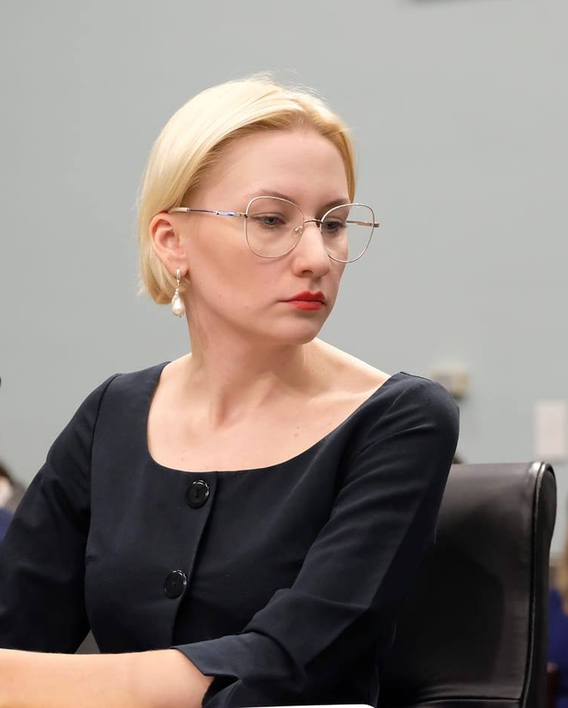
Russia has been preparing Shahed launch base since 2014
The expansion of the Korenovsk airbase directly correlates with Russia’s annexation of Crimea and the so-called “Russian Spring” in the Donbas region.
-
Article
-
Analytical department
-
News
-
Maria Kucherenko
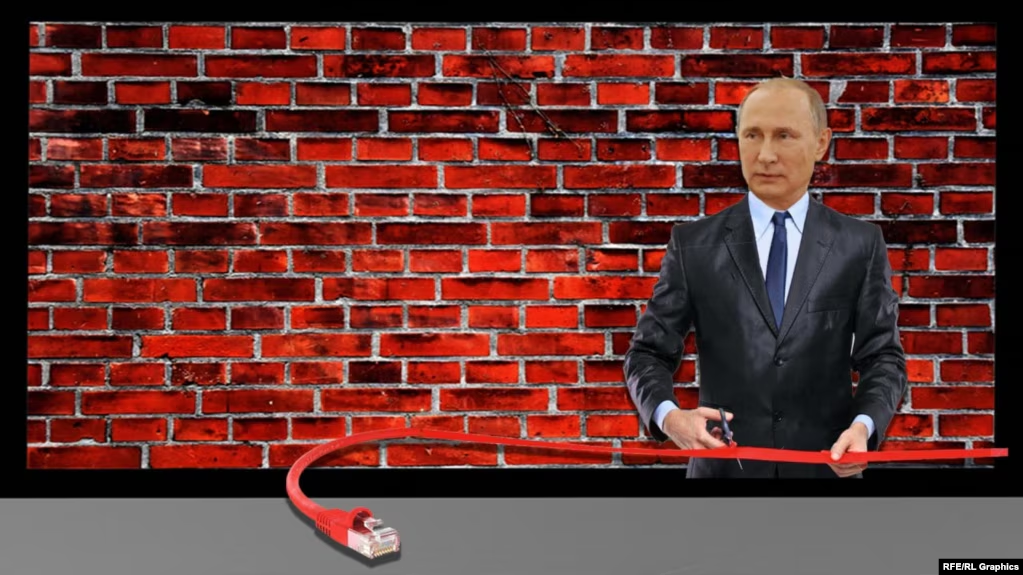
Russia Feigns Interest in Peace Talks as its Strategic Position Deteriorates
Why has Russia suddenly become more active in putting forward its proposals for a negotiated settlement? Maria Kucherenko, a senior analyst at the CBA Initiatives Center, explained the issue for the Fakty program on ICTV.
-
Article
-
Analytical department
Autumn is Offline: Why the Kremlin Is Accelerating Its Internet Clampdown
A new wave of digital censorship is gathering speed in Russia: one that could drastically reshape the information landscape, especially in the Russian-occupied territories of Ukraine.
-
Article
-
Analytical department
-
Maria Kucherenko
What is the reason for the wave of suicides among the Russian elite?
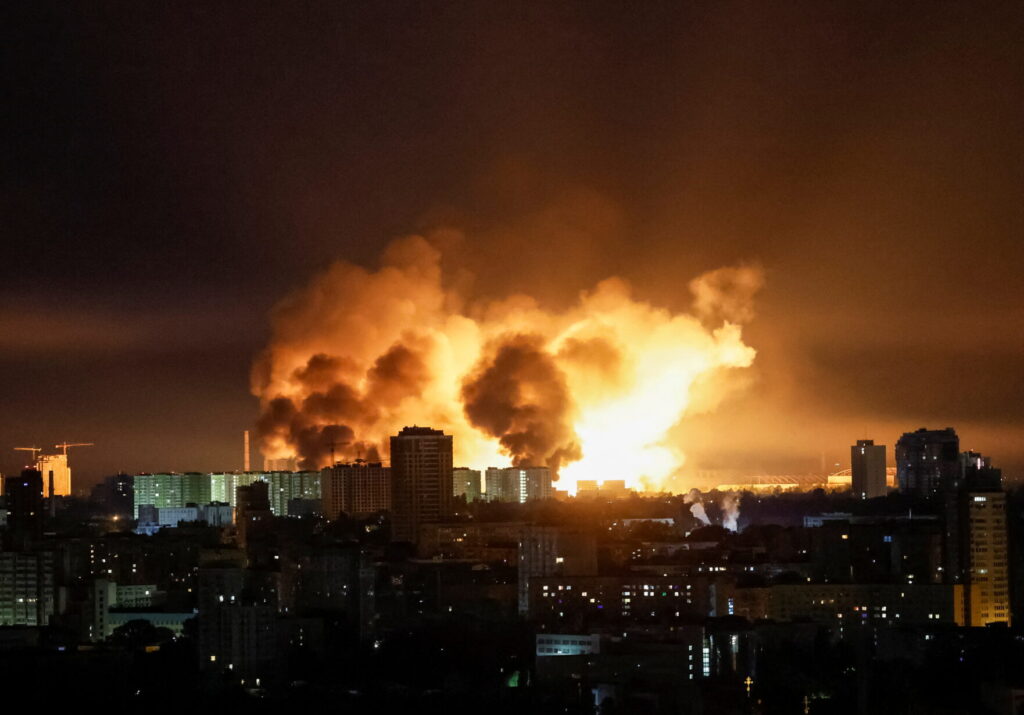
Maria Kucherenko, a senior analyst at the CBA Initiatives Center, explained on the air of ICTV’s Fakty program how this is connected with the consequences of the war that Russia is waging against Ukraine and the global security order in general, and what is happening within the Russian elites in this regard.
-
Article
-
Analytical department
-
Mykola Bielieskov
Putin’s escalating air offensive is overwhelming Ukraine’s defenses
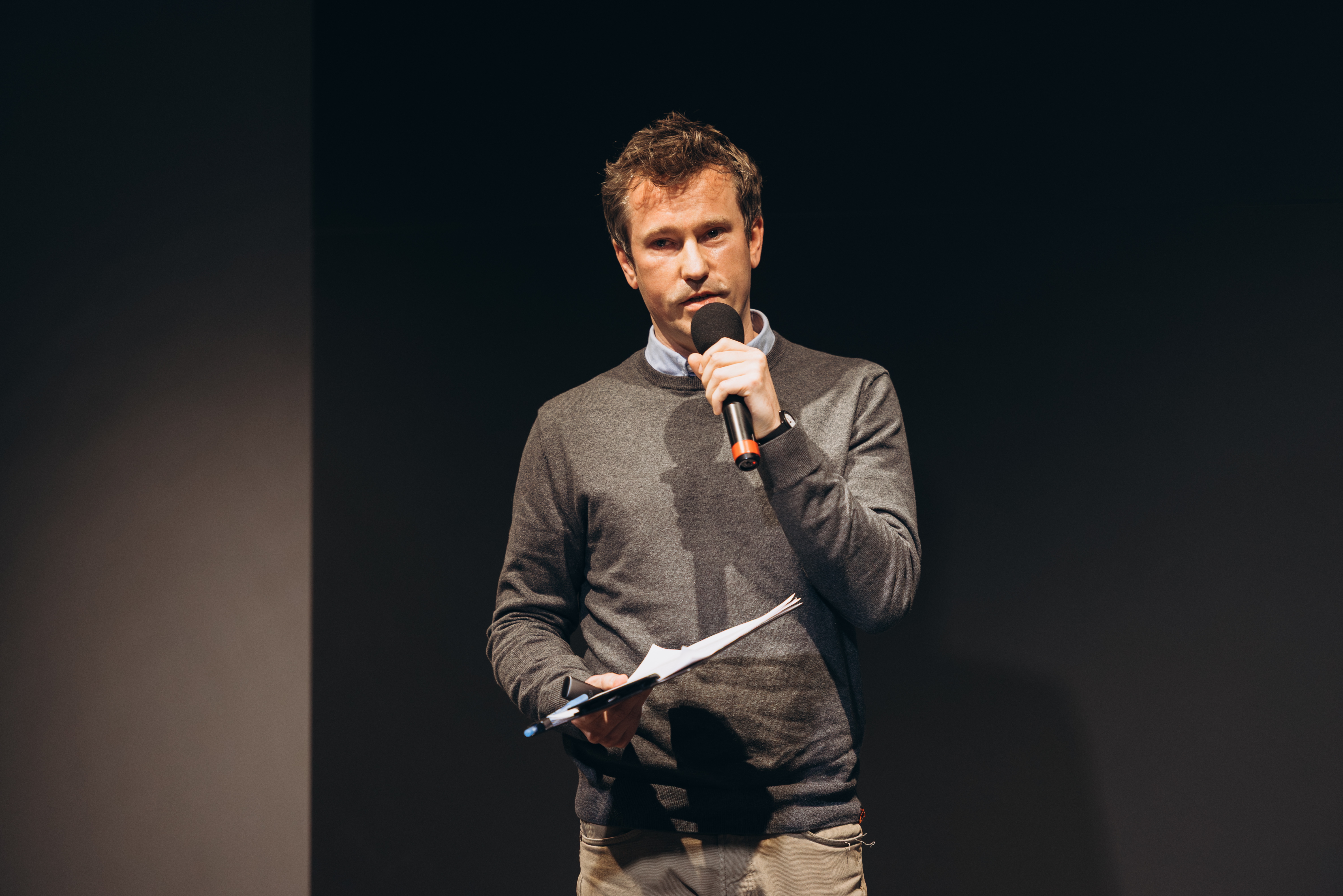
The dramatic increase in Russian airstrikes has led to a sharp rise in Ukrainian civilian casualties in recent months, and is now threatening to overwhelm the country’s limited air defense capabilities.
-
Article
-
Analytical department
"Sovietism" in Ukrainian military training — and how to move beyond it
А modern and effective military must also shed some entrenched cultural practices often described by servicemembers as “Sovietism.”
-
Article
-
Analytical department
-
Oleksiy Moskalenko
"Sovietism" in Ukrainian military training — and how to move beyond it
A modern and effective military must also shed some entrenched cultural practices often described by servicemembers as “Sovietism.”

-
Article
-
Analytical department
-
Oleksandr Demchenko
Russia Conceals Demographic Data that Point to Deeper Social Strains
Since March 2025, Russia’s Federal Statistics Service (Rosstat) has stopped publishing monthly regional statistics on key demographic indicators such as births, deaths, marriages and divorces.
-
Article
-
Analytical department
-
Mykola Bielieskov
"Trump is bluffing. And we can’t say it’s a bluff" — Belieskov on shuttle diplomacy, Ukraine’s goals, and the frontline in 2025
Suspilne TV met with CBA Initiatives Center Senior Analyst Mykola Bielieskov as Donald Trump marked his first 100 days in office, and Ukraine continued its efforts to maintain U.S. support.
-
Article
-
Analytical department
-
Mykola Bielieskov
Ukraine can stop Russia - even without Trump’s support
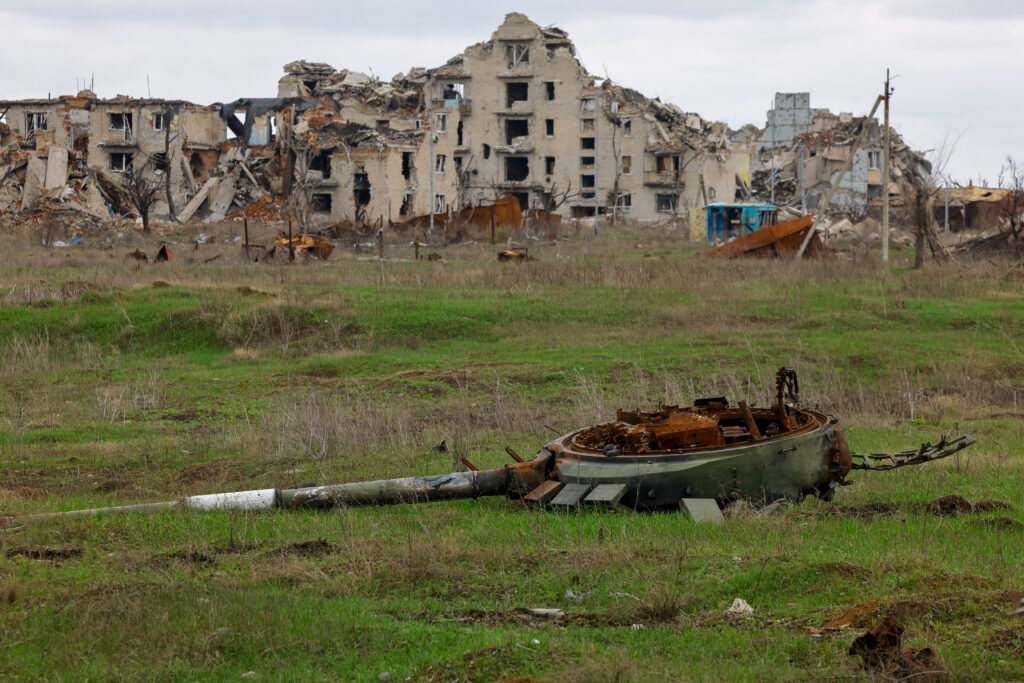
Ukrainian forces bent but didn't break under Russian pressure, and they can make enemy losses unsustainable.
-
Article
-
Analytical department
-
Mykola Bielieskov
A pragmatic peace plan for Ukraine
While Ukraine has agreed to an unconditional ceasefire, Russia refuses to do likewise. Instead, the Kremlin continues to make excuses and employ a range of stalling tactics in an apparent bid to drag out the negotiating process indefinitely.
-
Article
-
Analytical department
-
Maria Kucherenko
The global nature of the Russian threat and the importance of cooperation for European security: Maria Kucherenko shares on meetings during her visit to Portugal
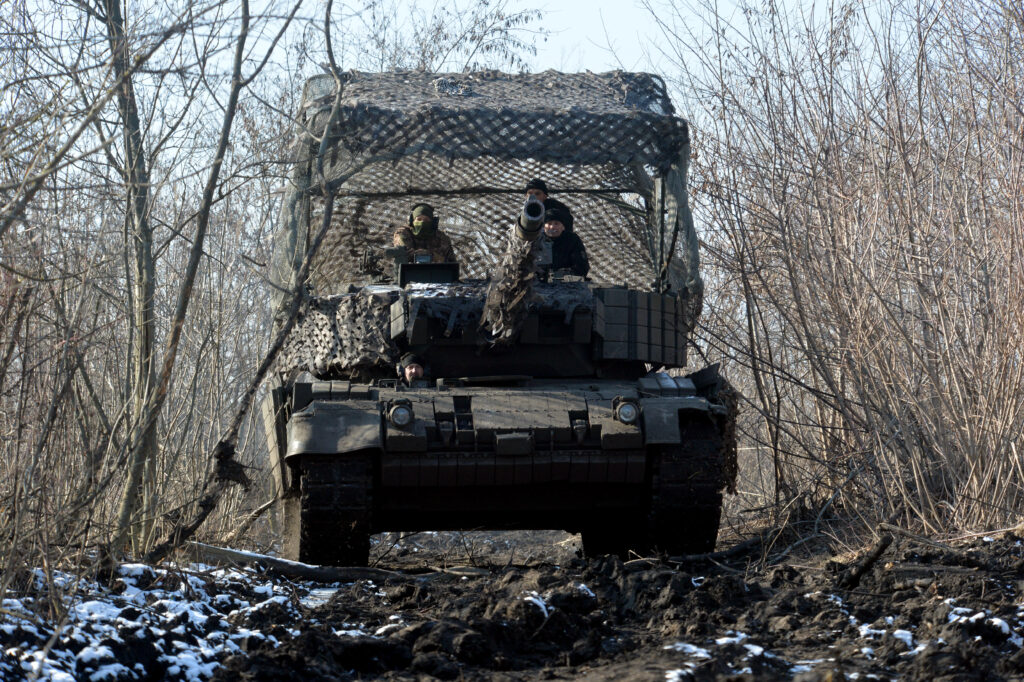
"Focusing on analyzing the activities of specific individuals affiliated with the Russian special services will help prevent the influence on the elections in Europe and, as a result, on the security and political situation in Europe,” Maria Kucherenko noted.
-
Article
-
Analytical department
-
Mykola Bielieskov
Europe must prepare to defend itself in an increasingly multipolar world
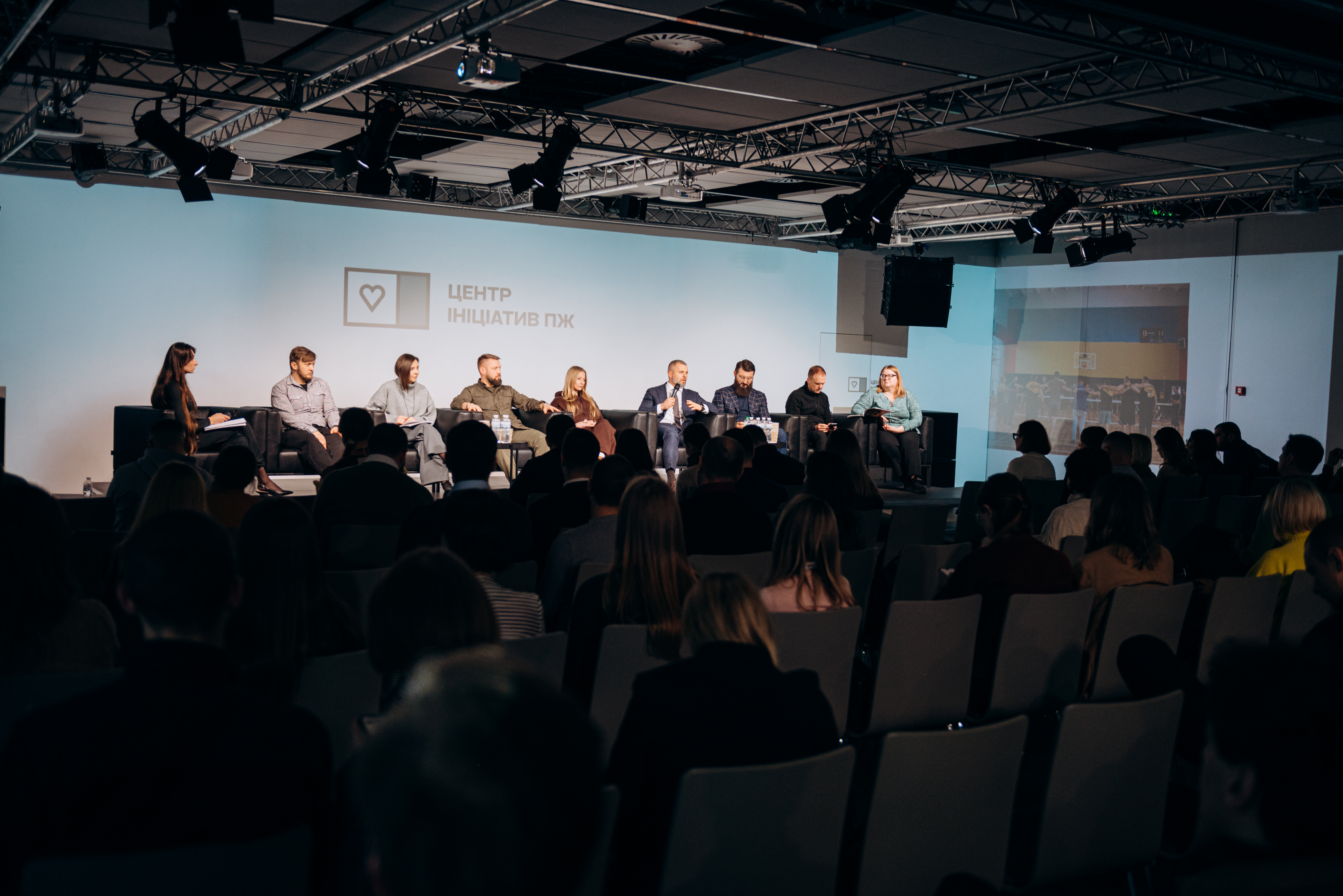
US President Donald Trump’s peace plan for Ukraine has yet to be made public, but it is already abundantly clear that he expects Europe to play a far bigger role in the continent’s future security and the fight against Russian aggression.
-
Article
-
Analytical department
-
Veteran department
CBA Initiatives Center Hosts Panel Discussion: Government Representatives Discuss the Role of Adaptive Sports in Veterans’ Lives
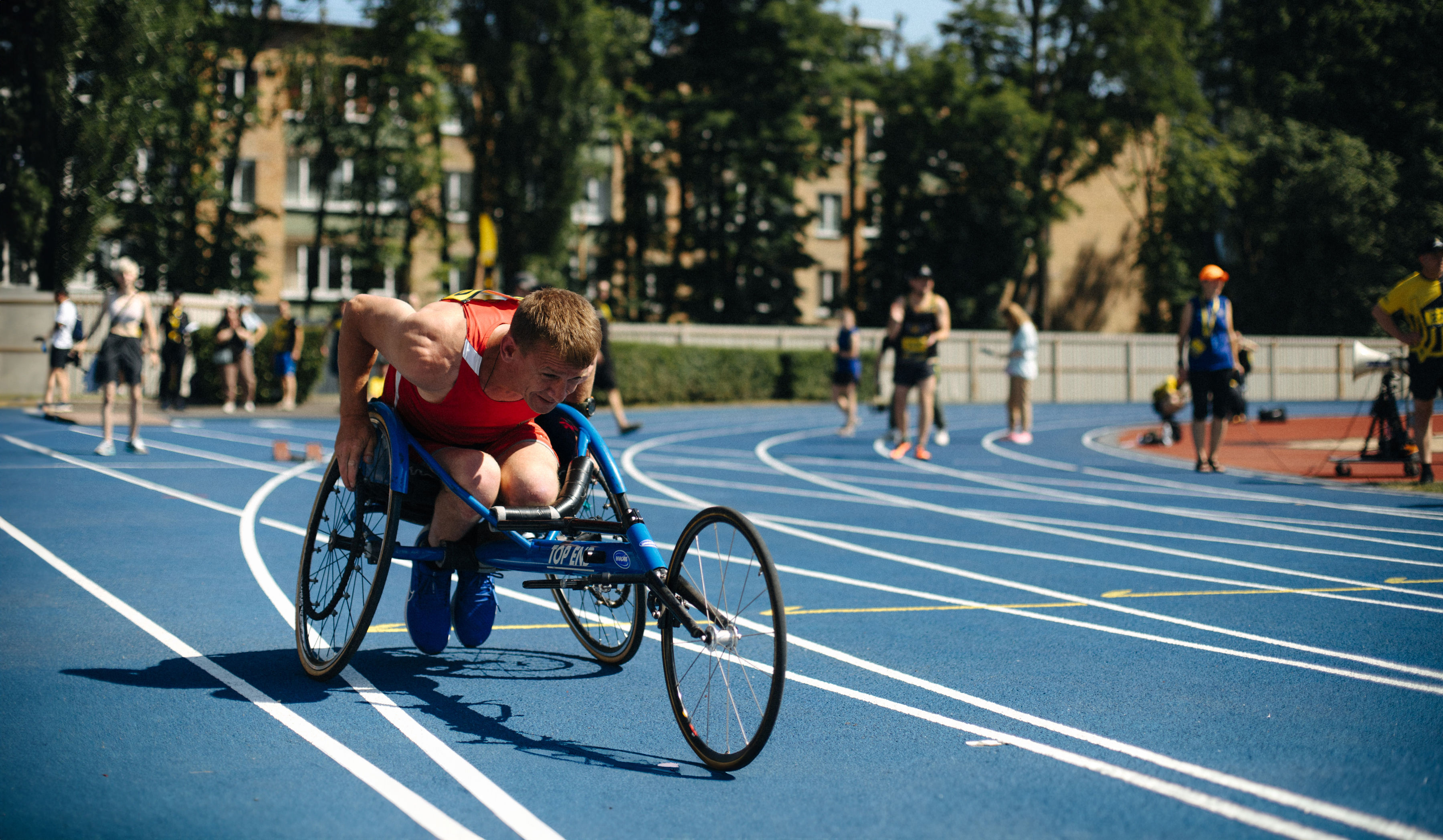
On January 23, 2025, in Kyiv, the team of CBA Initiatives Center presented the research study “The Joy of Movement: How Adaptive Sports Help Veterans Recover.” The study, authored by analyst Yaroslava Bratus, examined the impact of physical activity on the psychological and physical health of veterans.
-
Article
-
Analytical department
-
Veteran department
Physically, Psychologically, and Beyond: How Adaptive Sports Improve Life After Injury
The Russian-Ukrainian war continues. It is a challenge for everyone—civilians and military alike. Especially for those veterans returning to civilian life after injuries, wounds, or illnesses. For them, a difficult path begins—and adaptive sports can play an important role along the way. Have you heard about it?

-
Article
-
Analytical department
-
Oleksandr Demchenko
Alternative (Video) Reality: YouTube Blocked in Russia and Why It Matters to the Kremlin
At the end of 2024, Russia enacted a complete ban on YouTube. This move is clearly part of the Kremlin’s broader strategy of information isolation. The government has already blocked various messengers and social media platforms and is planning to prohibit audio calls via internet services. At the same, Russia continues replacing independent platforms with state-controlled alternatives that promote “correct” content aligned with Kremlin policies.
-
Article
-
Analytical department
-
Oleksiy Moskalenko
Food as a Factor of Defense Capacity: Should the Reform of Basic Military Training Begin with Meals?
The National Army Museum in London opens its section on food in the British military with a simple truth: «To be effective, an army relies on good and plentiful food, especially on campaign. Without meeting this vital need, the success of any operation may be compromised.»
-
Article
-
Analytical department
-
Mykola Bielieskov
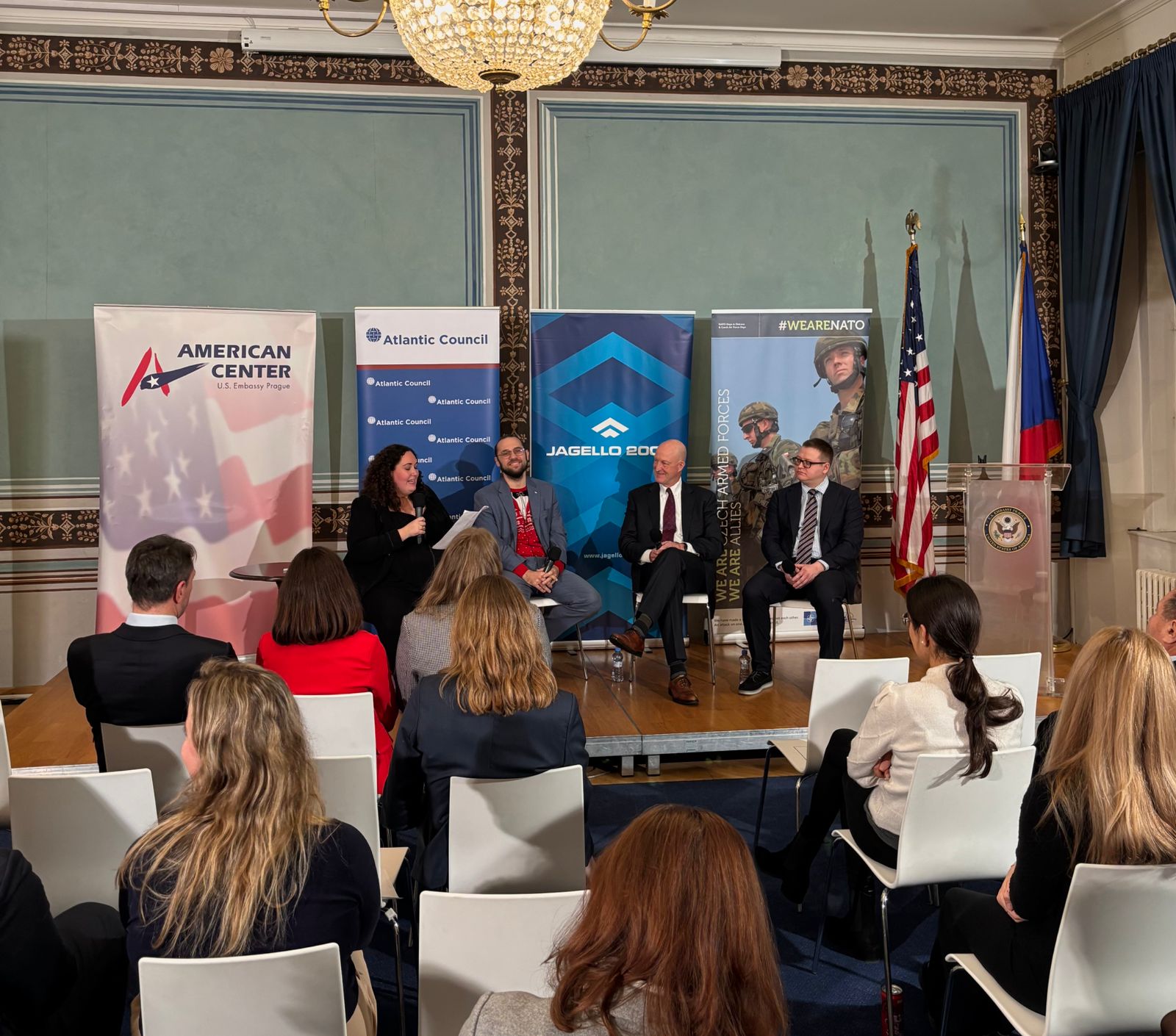
“We’ve Earned Our Partners 33 Months of Additional Time”. CBA Initiatives Center Analyst Mykola Bielieskov Discusses Importance of International Support for Ukraine at Atlantic Council’s Central Europe Week
From December 9 to 13, Prague hosted the Atlantic Council’s 2024 Central Europe Week, an annual conference held in various European cities under the auspices of the Atlantic Council. The event included several panel discussions, one of which, held on December 12 and titled "Ukrainian Security, European Stability," focused on the importance of international support for Ukraine. Among the speakers was Mykola Bielieskov.
-
Article
-
Analytical department
-
Glib Voloskyi
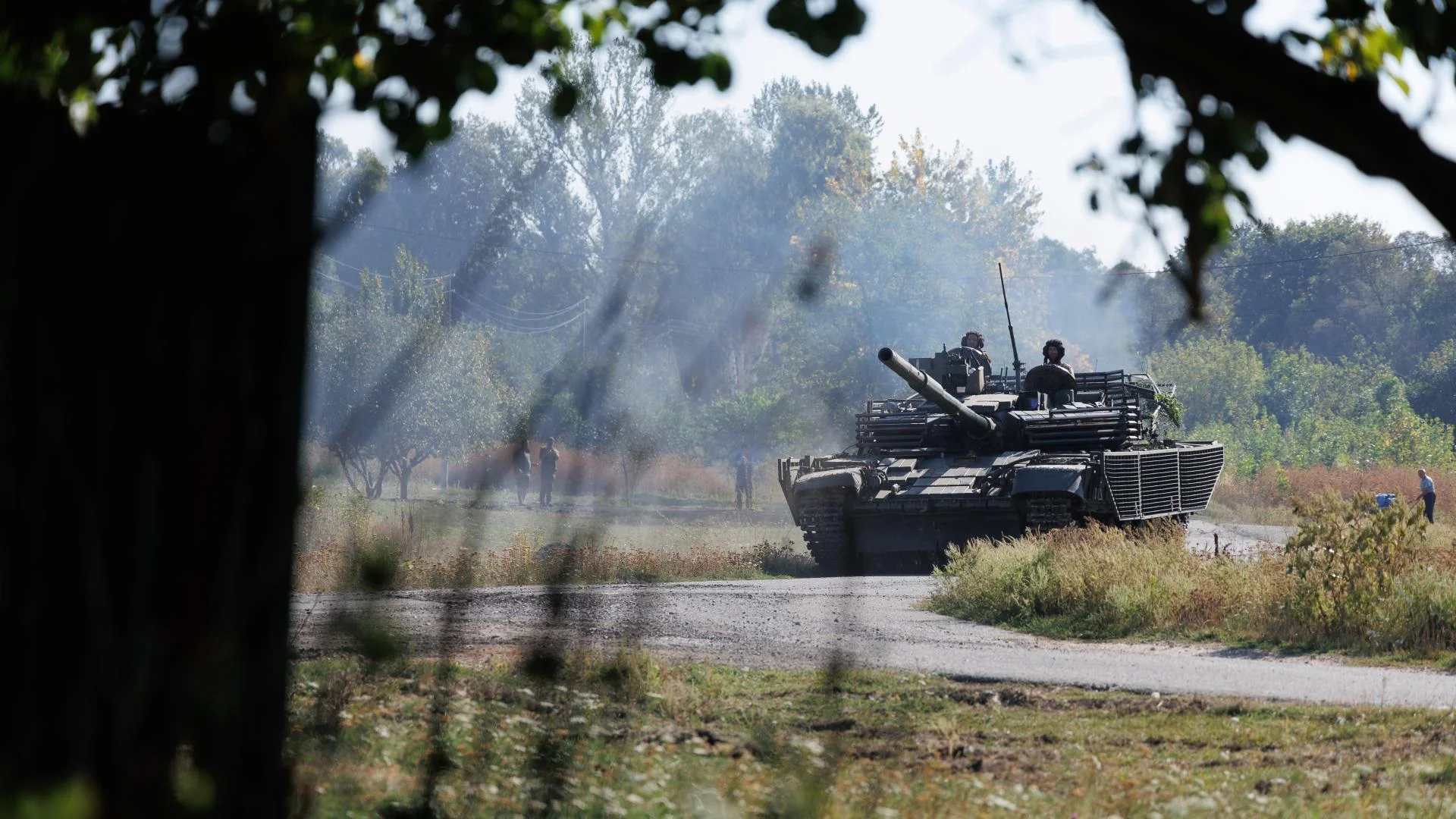
100 Days of the Kursk Operation: What the US Can Do to Help Ukraine
On August 6, Ukraine launched an audacious military operation into Russia’s Kursk Oblast. However, Russia is mounting a counteroffensive in the region bolstered by 10,000 North Korean troops. What can the United States do to help Ukraine sustain its momentum?
-
Article
-
Analytical department
-
Oleksandr Demchenko
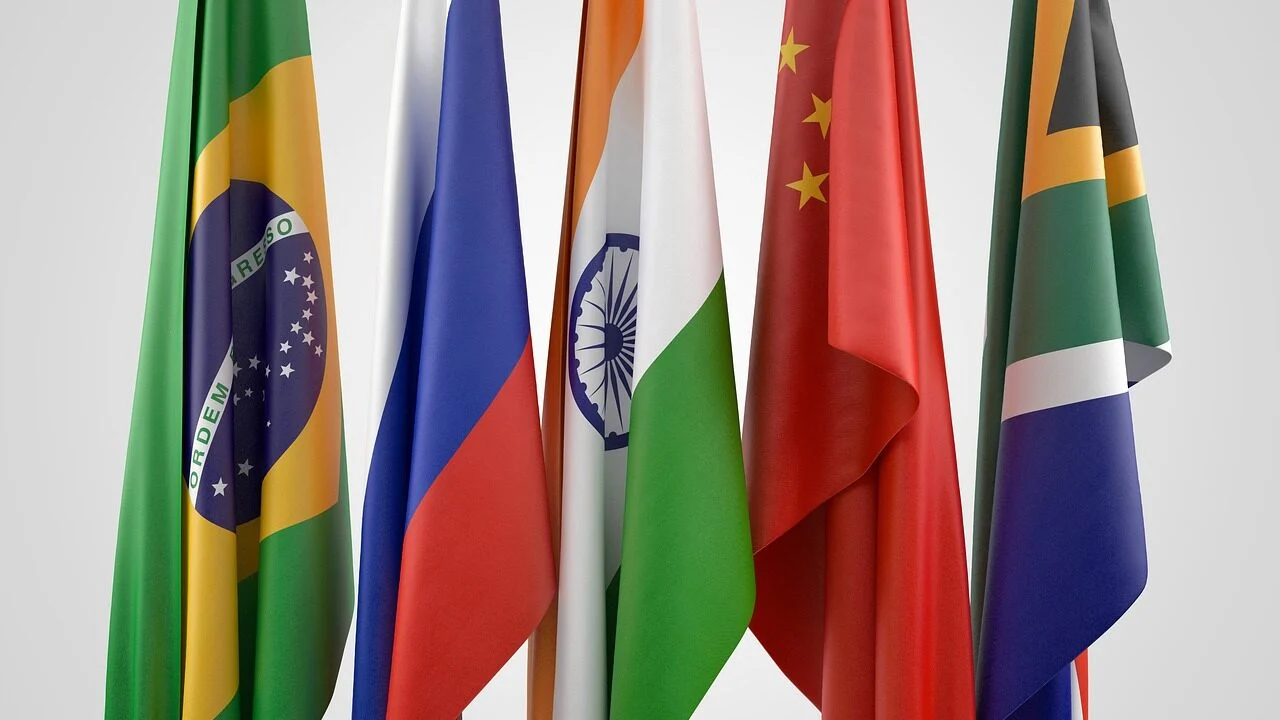
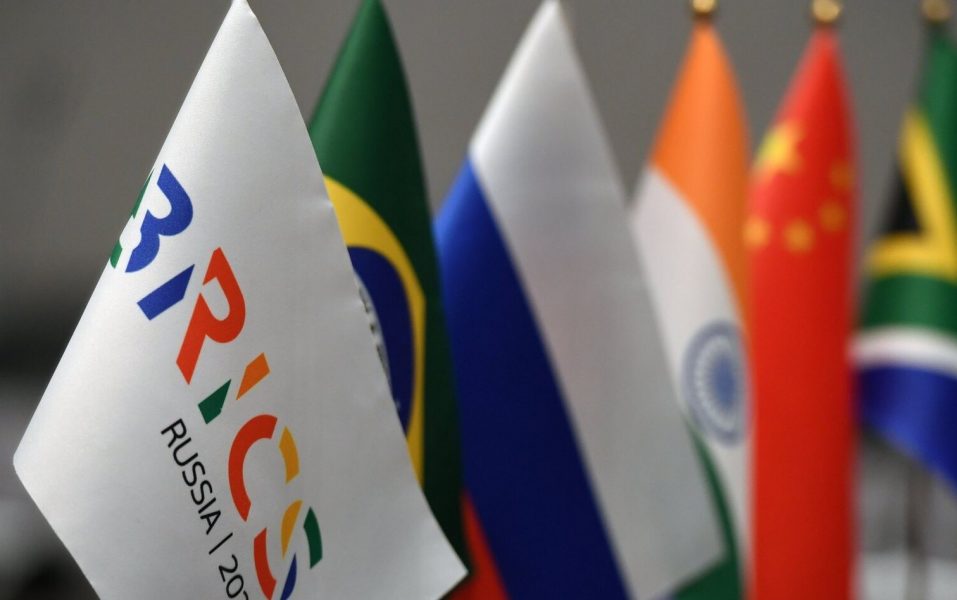
BRICS Summit in Kazan: Why Did the Participants Travel to Russia?
The BRICS summit began in Kazan on October 22, 2024, under Russia's chairmanship, with official events starting on October 23. Nearly all heads of BRICS member states attended in person, except for Brazil's president, who joined via video link due to an injury.
-
Article
-
Analytical department
-
Декілька авторів
The Illusion of Neutrality: Why China-Brazilian Initiative Cannot Be Alternative to Ukrainian Victory Plan
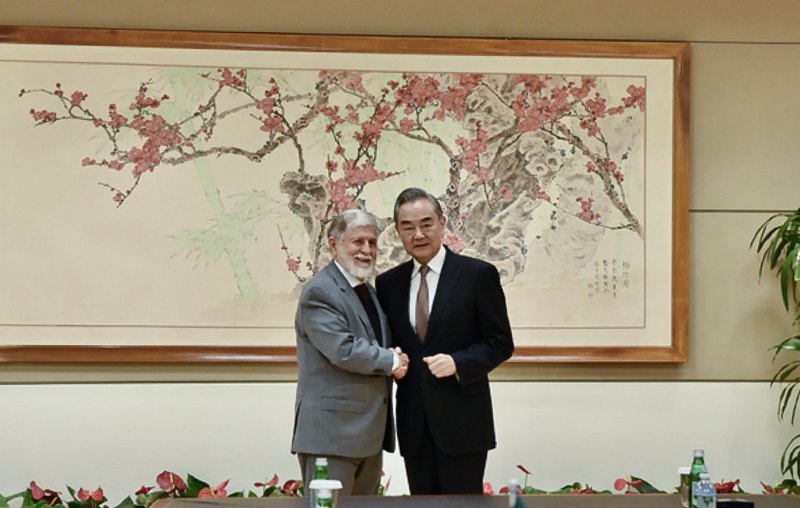
China and Brazil held an international meeting on the sidelines of the UN General Assembly to discuss their proposals for a peaceful settlement of the war in Ukraine.
-
Article
-
Analytical department
-
Glib Voloskyi
Russia is training North Korean soldiers to support its war against Ukraine. How will it impact the frontline?
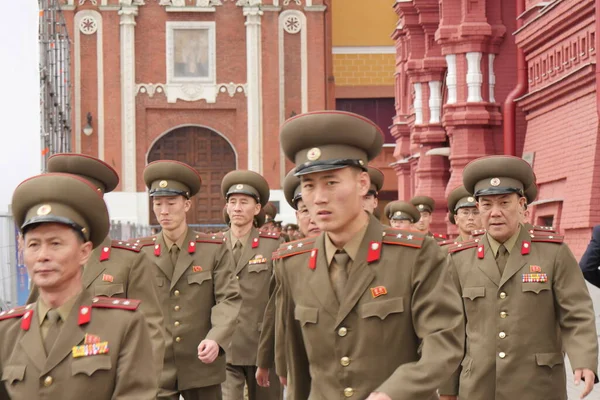
On October 14th, President Putin introduced the comprehensive strategic partnership agreement with the DPRK to be ratified by the State Duma. The agreement included the clause of mutual military aid in the event of war. The same evening, President Volodymyr Zelenskyi announced that North Korea de facto became a party of the conflict.
-
Article
-
Analytical department
-
Oleksandr Demchenko
Syria, Talibs, junta. How Russia is growing its influence in BRICS
Syria's turn to apply for BRICS membership. This decision, like several similar ones, is adopted on the eve of the member countries summit, which will be held at the end of October in Kazan, Russia. Syria's intention is curious in the context of Afghanistan’s earlier application, and Palestine’s plans to join as well. What is Russia’s interest in these actions, and how can they aid Kremlin’s role in global politics?
-
Article
-
Analytical department
-
Mykola Bielieskov
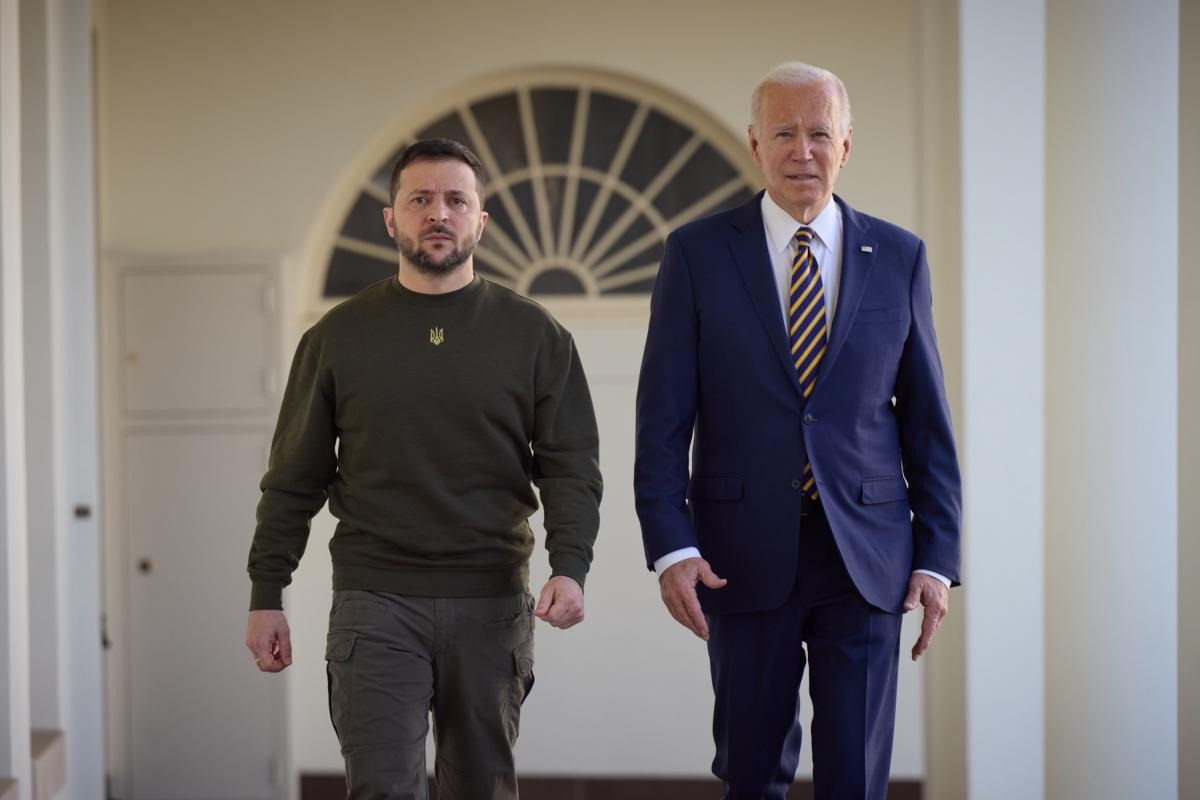
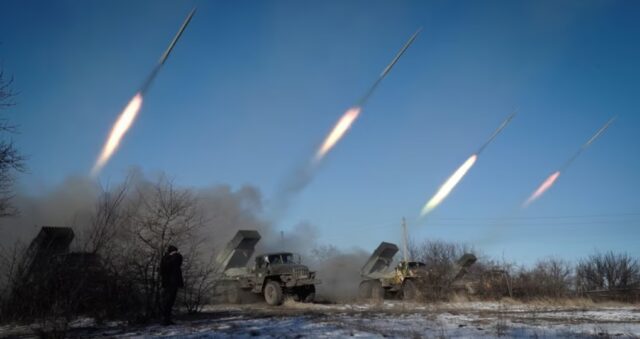
Zelenskyy Presents Ukraine's "Victory Plan" to Biden: What Might and Should Be in It?
Mykola Bielieskov, Senior Analyst at CBA Initiatives Center, meditades about the document that he ambitiously described as a "Victory Plan". The plan will be presented to the current US President Joseph Biden as well as presidential candidates from two parties - Kamala Harris and Donald Trump.
-
Article
-
Analytical department
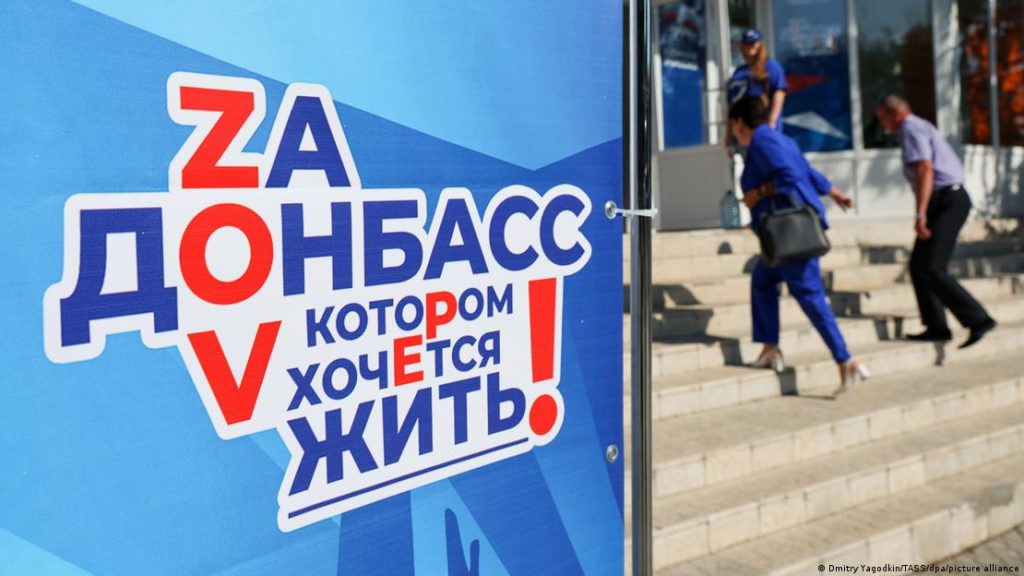
From Minsk to Istanbul: Has Ukraine Learned the Lessons of the Minsk Protocol in Negotiating with Russia?
The Minsk Protocol failed to stop Russia a decade ago. Between 2014 and 2022, the Kremlin played the role of mediator in the so-called “Donbas conflict” while pressing Ukraine to implement the political provisions of the Minsk Agreements—ignoring the security components that might have produced an actual ceasefire.
-
Article
-
Analytical department
How and why the Kremlin is holding "elections" in the occupied territories
The Kremlin is preparing to hold so-called elections in the occupied territories of Ukraine on Russia’s Single Election Day on 10 September 2023. The “elections”, which will be held in two dozen russian regions, are planned for all the occupied territories. The only difference is that in the Crimea, voters will have to “elect” a representative to the Russian State Duma and the Ternovska Municipal Council of Sevastopol.